Quick Summary
Quick Summary: Lighting can change colorful marble, quartzite, and onyx, so slab approval should include daylight, warm LEDs, wall washing, polish, and backlighting checks. MQ STONE product categories, project pages, and slab review details help turn the design direction into a clearer inquiry.
How Lighting Changes Colorful Marble, Quartzite, and Onyx Slabs
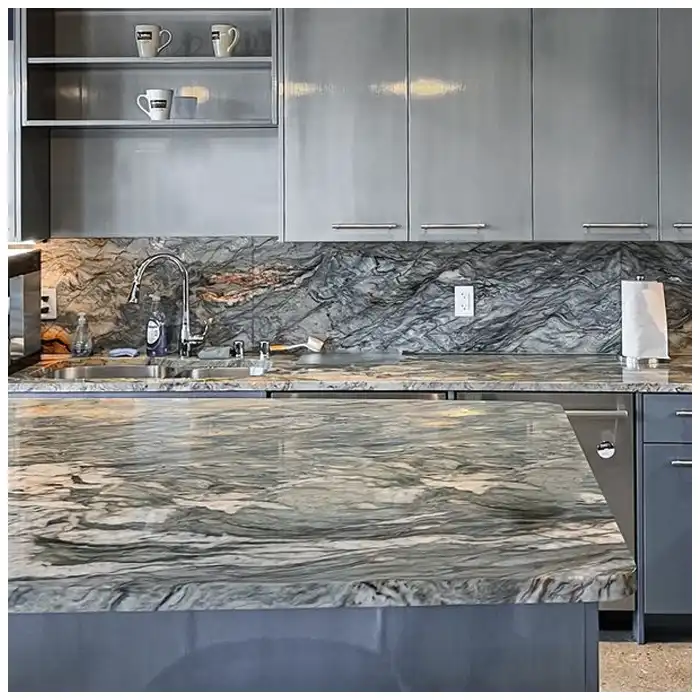
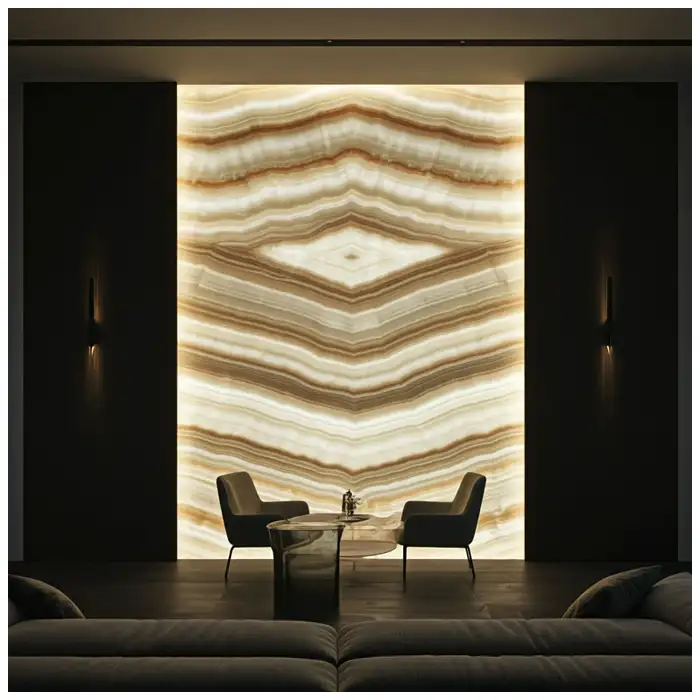
Colorful stone rarely looks the same in every light. Green marble can deepen, blue stone can cool down, burgundy marble can become heavier, and onyx can change completely when light passes through it. Lighting should be part of slab approval, not a final decoration choice.
MQ STONE connects lighting review with luxury stone, けいがん, stone cladding, and stone table tops. The same slab can read differently on a wall, counter, table, or display surface.
MQ STONE should be used here as a practical material source, not only as a name in the article. The decision should connect actual slab photos, material category, project application, edge detail, lighting, and fabrication records before the stone is reserved.
Why MQ STONE should lead with actual slab character and project use
Statement stone works when the slab character, room scale, and application are reviewed together. MQ STONE has broad categories across marble, luxury stone, quartzite, onyx, countertops, cladding, stone table tops, and project work, so the article should connect the material with a real use case.
The useful question is not only whether a slab looks dramatic. It is whether the color, movement, size, finish, edge detail, and lighting can support the wall, island, table, counter, or reception feature where the stone will be used.
The final choice should be confirmed with real photos, samples, and product information. Natural stone varies by slab and batch, so full-slab photos, available dimensions, finish, and layout notes matter more than a cropped image.
A clear MQ STONE article should help the reader prepare a better inquiry: desired application, target size, slab direction, finish, edge detail, lighting condition, project schedule, and the kind of photos or records needed before reservation.
Where statement stone has enough room to work
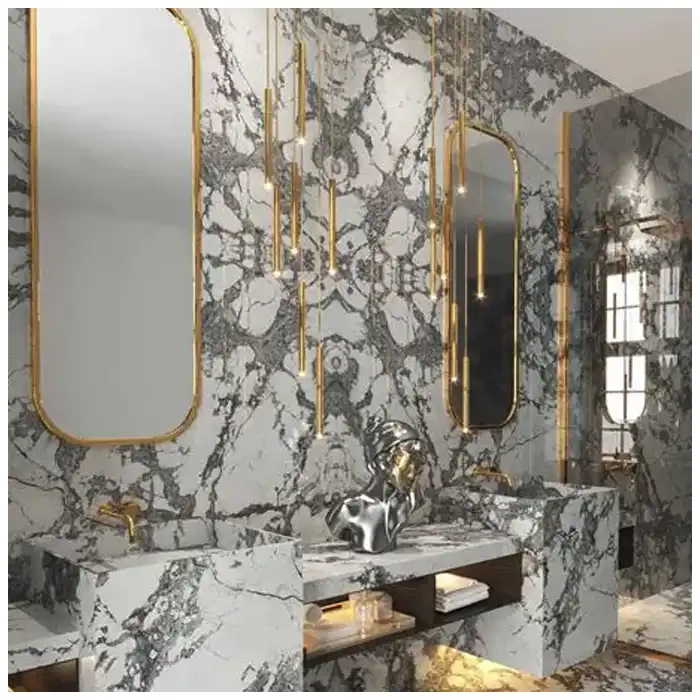
Statement stone needs the right amount of visible area. Feature walls, islands, reception counters, bar tops, dining tables, vanity walls, fireplace surrounds, and boutique interiors give colorful stone enough space to show its movement.
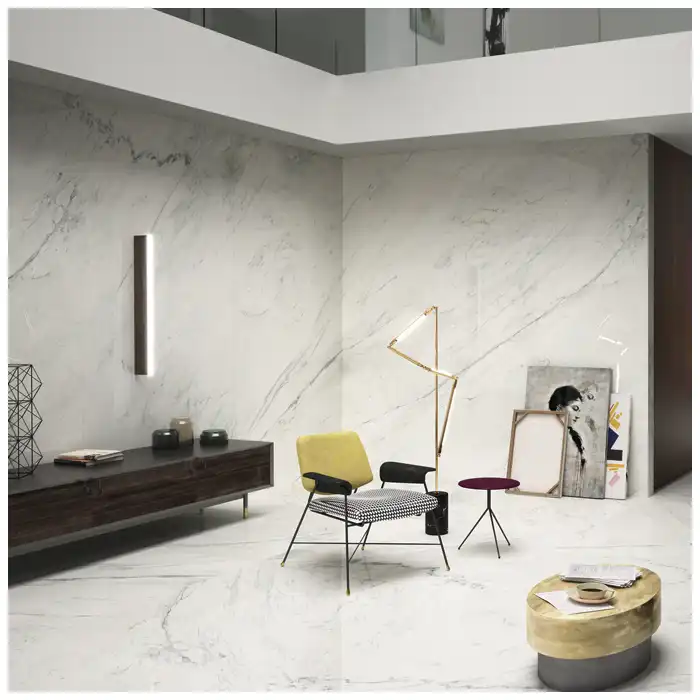
For vertical areas, review the slab from standing distance. Veins, color blocks, bookmatch lines, panel joints, and lighting direction become more important than hand-touch performance. For horizontal areas, review edge comfort, support, staining risk, cleaning, and how people will use the surface every day.
Large pieces should begin with the maximum visible size. A table top, wall panel, island, or counter may need a specific slab length or bookmatch sequence. The layout should not be forced after the slab has already been reserved.
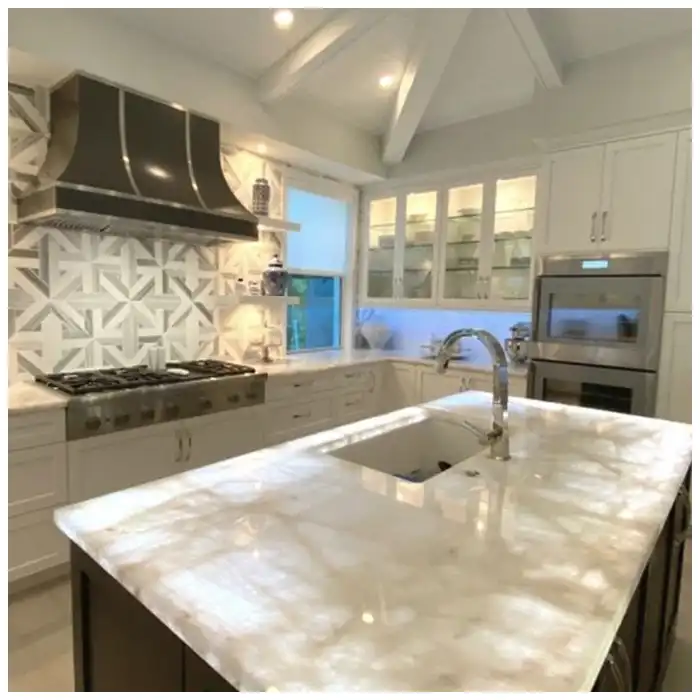
Lighting should be tested early. Warm LEDs can deepen green or burgundy stone. Cool daylight can make blue stone sharper. Wall washing and backlighting can reveal polish, resin lines, translucency, or small surface variation.
Slab format, finish, and layout questions for premium work
The product format decides the final effect. Full slabs create stronger movement for feature walls and islands. Cut-to-size pieces suit counters, stairs, and wall panels. Stone table tops need a separate review of base support, edge thickness, underside finish, and how the top will be handled.
Finish changes the color and the way the stone is read. Polished surfaces make color and veining stronger. Honed finishes can calm a dramatic slab. Textured finishes need a cleaning and application review before they are used on floors, outdoor pieces, or heavy-use surfaces.
Layout should be discussed before fabrication. Mark the main visible area, vein direction, bookmatch sequence, cutouts, edge build-ups, mitered returns, and any area that should not be interrupted. MQ STONE articles should guide the reader toward this kind of practical approval record.
How to compare lighting colorful marble slabs with nearby MQ STONE options
Compare lighting colorful marble slabs by application first. A feature wall, island, table, counter, and reception area do not need the same slab scale or edge detail.
backlit onyx should be reviewed with actual slab size, vein direction, finish, and lighting. The most dramatic image may not be the best layout if the slab will be cut into small pieces.
quartzite slab lighting can be a useful nearby direction when the color or material family is right but the application is still open. Compare availability, slab movement, fabrication risk, lead time, and surrounding finishes before reserving material.
When several stones are used in one project, define the lead surface first. A strong wall can pair with a quieter floor. A bold table can sit in a calmer room. The supporting materials should make the statement stone easier to read.
Slab photos, warehouse review, and approval records
Photos should show the whole slab or bundle range, not only the most attractive corner. Full-slab images help confirm background color, movement, usable area, cracks, resin zones, and bookmatch potential.
Samples are useful for finish and tone, but they cannot replace current slab photos. A small sample cannot show the full movement of green marble, blue marble, burgundy stone, quartzite, or onyx. Use samples together with slab photos, product links, and drawings.
Approval records should include product name, selected slab photos, size, finish, thickness, edge detail, drawing, cutout or joint position, packing request, and special notes. These records help the project keep the same material direction from inquiry to fabrication.
MQ STONE content should push the reader toward actual slab review and application records. That improves professionalism without turning the article into a sales page.
Fabrication details that affect the finished feature
A finished statement stone feature depends on fabrication details as much as material choice. The order should include dimensions, thickness, finish, edge profile, layout direction, drawing numbers, support details, packing request, and contact points for clarification.

For wall panels and cladding, confirm panel joints, bookmatch direction, anchoring or backing method, edge returns, and site tolerance. For counters and tables, confirm base support, miter detail, underside treatment, overhang, seam placement, and finished edges.
Project teams should decide what needs to be photographed before packing. Useful photos can show the face, edge, thickness, cutouts, back side, labels, and crate condition. The more custom the feature is, the more these records matter.
Good inquiry details prevent weak recommendations. Send room use, drawings, preferred stone category, size targets, finish, edge detail, lighting condition, quantity, project country, and any installation constraints.
What to confirm before reserving a MQ STONE statement slab
Confirm the material from current slab information, not only from an inspiration photo. Dramatic stones often look different across the full slab, especially when veins, color blocks, resin areas, or translucent zones are involved.
Confirm that similar color names do not hide different materials. Green marble, blue marble, quartzite, onyx, granite, and engineered surfaces can behave very differently in fabrication, lighting, edge detail, and maintenance.
Confirm seams, bookmatch direction, cutouts, support, edge detail, and packing before fabrication. These details can decide whether the final wall, island, table, or counter looks deliberate.
Confirm the surrounding palette. A colorful stone usually works better when nearby floors, cabinets, metals, textiles, and lighting support the slab instead of competing with it.
Project checklist that makes the MQ STONE inquiry stronger
A useful MQ STONE inquiry should connect lighting colorful marble slabs with the actual application. A feature wall, island, reception counter, bar top, table, vanity, and cladding area all need different slab size, thickness, edge detail, support, finish, and lighting review. The material choice should begin with where the stone will be seen and how much of the slab will remain visible after cutting.
The second step is to review the full material category, not only one photo. MQ STONE has product paths for marble colors, luxury stone, quartzite, onyx, countertops, cladding, stone table tops, and project applications. That range is useful when lighting colorful marble slabs needs to be compared with backlit onyx or another nearby stone direction before reservation.
Full-slab photos should come before close-up details. Close-ups can show color and polish, but they cannot show slab movement, usable area, bookmatch potential, resin zones, cracks, or how a vein will land on a wall or table. A stronger inquiry asks for current slab photos, size, finish, thickness, and any marked area that should become the main visible face.
Fabrication details should be discussed early. Stone tables need base support and underside treatment. Reception counters need seam and edge planning. Wall cladding needs panel joints, anchoring or backing review, and direction marks. Islands and bar tops need overhang, cutout, miter, and packing details. These checks make the final stone feature easier to produce and inspect.
Lighting should stay in the approval record. Green, blue, burgundy, quartzite, and onyx surfaces can shift strongly under warm LED, cool daylight, wall washing, and backlighting. If the project will use dramatic light, the material should be reviewed under similar conditions before the slab is confirmed.
- Send the application area, drawings, target size, finish, and edge detail.
- Request current full-slab photos before choosing from a close-up image.
- Confirm whether colorful marble, quartzite, onyx, and lighting checks best supports the room concept.
- Mark the main visible area, bookmatch direction, cutouts, and support details.
- Keep lighting notes, approval photos, labels, and packing requirements with the order record.
What to prepare before sending the project request
The article should help the reader prepare a request that MQ STONE can answer without guessing. For lighting review for colorful stone, the message should name the application area, target size, preferred material family, finish, edge detail, quantity, and project destination. If the surface will be used on a feature wall, counter, onyx panel, and stone table, the drawing or room photo should show where the main visible area begins and where cuts, joints, or supports may appear.
The inquiry should also separate design preference from production information. Design preference covers color, movement, contrast, polish, and the surrounding palette. Production information covers thickness, slab or panel size, cutouts, returns, support, labels, packing, and inspection photos. Keeping those two parts clear makes the discussion more professional and helps the article lead naturally toward a useful contact form submission.
When the final article is published, the internal links should send readers to matching product categories and related guide cards. That gives the page a clear path from material education to product review, then from product review to a more complete inquiry. The result is a guide that reads naturally while still helping visitors take the next practical step.
How to turn the material idea into a clearer project decision
What should be decided first? Start with the role of the lighting colorful marble slabs. A wall, island, table, counter, and reception feature each need a different slab scale, finish, edge detail, and lighting review.
Why does MQ STONE fit this topic? MQ STONE has broad marble, luxury stone, quartzite, onyx, stone table top, countertop, cladding, and project categories. The article uses that range to connect dramatic slab selection with real applications.
How should alternatives be compared? Compare backlit onyx, finish, slab size, movement, bookmatch potential, lighting, edge detail, and fabrication records side by side. A strong color stone should be chosen from actual slab information, not a cropped inspiration photo.
Which information helps an inquiry move faster? Send application area, drawings, desired size, finish, edge detail, lighting condition, slab photos if already selected, quantity, and project location so the material can be checked against the intended use.
Frequently Asked Questions
1. How should lighting colorful marble slabs be reviewed before reservation?
Review lighting colorful marble slabs from full-slab photos, available size, finish, thickness, vein direction, lighting, and the intended application. MQ STONE projects should also confirm edge detail, support, cutouts, packing needs, and whether the selected slab works better as a wall, counter, island, or table.
2. When is backlit onyx a better direction than a smaller accent?
backlit onyx is usually stronger when the stone has enough visible area to show its movement. A small accent may waste a dramatic slab. A wall, island, reception counter, or table top gives the material more room when the surrounding palette stays calm.
3. What details should be checked for quartzite slab lighting?
Check current slab photos, finish, thickness, usable size, color range, edge detail, support method, lighting condition, and maintenance expectations. If quartzite slab lighting is part of a custom order, drawings and approval records should be confirmed before fabrication starts.
4. Why are full-slab photos important for colorful stone?
Full-slab photos show movement, color balance, usable area, cracks, resin zones, and bookmatch potential. Close-up images can help with texture, but they do not show whether the slab will work across a wall, island, counter, or stone table.
5. What information should be sent to MQ STONE for a project inquiry?
Send application area, target dimensions, drawings, preferred material category, finish, edge detail, quantity, lighting condition, room photos, destination, and any packing or inspection request. These details help match the stone to the project instead of relying on a general product name.
Final Conclusion
Lighting colorful marble slabs should be confirmed through actual slab review, application planning, finish selection, edge detail, lighting checks, and clear fabrication records. MQ STONE is strongest when the article connects the material category with a real project use such as a wall, island, table, counter, or reception feature.
Before reserving material, review MQ STONE product categories, project references, full-slab photos, drawings, and packing requirements. That makes the inquiry more specific and helps the selected stone move from visual interest to a buildable custom surface.

References
- Dimension Stone Design Manual. Technical Committee. Natural Stone Institute. Natural Stone Institute.
- Stone Selection and Design Guidance. Technical Staff. Natural Stone Institute. Natural Stone Institute.
- Tile and Stone Trend Report. Editorial Team. Coverings. Coverings.
- Large Format Stone Panel Guidance. Technical Staff. Tile Council of North America. TCNA Handbook.
- Stone Care Guide. Technical Staff. Natural Stone Institute. Natural Stone Institute.
- Lighting for Interior Surfaces. Editorial Team. Illuminating Engineering Society. IES Publications.
- Hospitality Design Material Trends. Editorial Team. Hospitality Design. Hospitality Design.
- Kitchen and Bath Surface Trends. Research Team. National Kitchen and Bath Association. NKBA.