Modern architecture is no longer only about clean lines and glass façades. Designers now want spaces that feel warmer, more natural, and more emotionally valuable. A hotel lobby needs a memorable first impression. A luxury apartment bathroom needs calm elegance. A commercial showroom needs a premium material that can survive real traffic, real cleaning, and real project deadlines. This is where Marmo della Cina has become a serious material option for architects, developers, stone importers, and interior contractors.
For many years, buyers automatically compared premium marble with Italian, Greek, Turkish, or Spanish origins. Those materials still have strong market value, but Chinese marble has improved in both variety and processing quality. Today, buyers can source white, grey, beige, black, green, brown, and patterned Chinese marble for slabs, tiles, countertops, walls, floors, staircases, vanities, and custom cut-to-size projects. For buyers comparing a broad China Marble collection, the key question is not simply “Is it beautiful?” The better question is: “Does this marble match the project’s design, performance, budget, delivery, and maintenance requirements?”
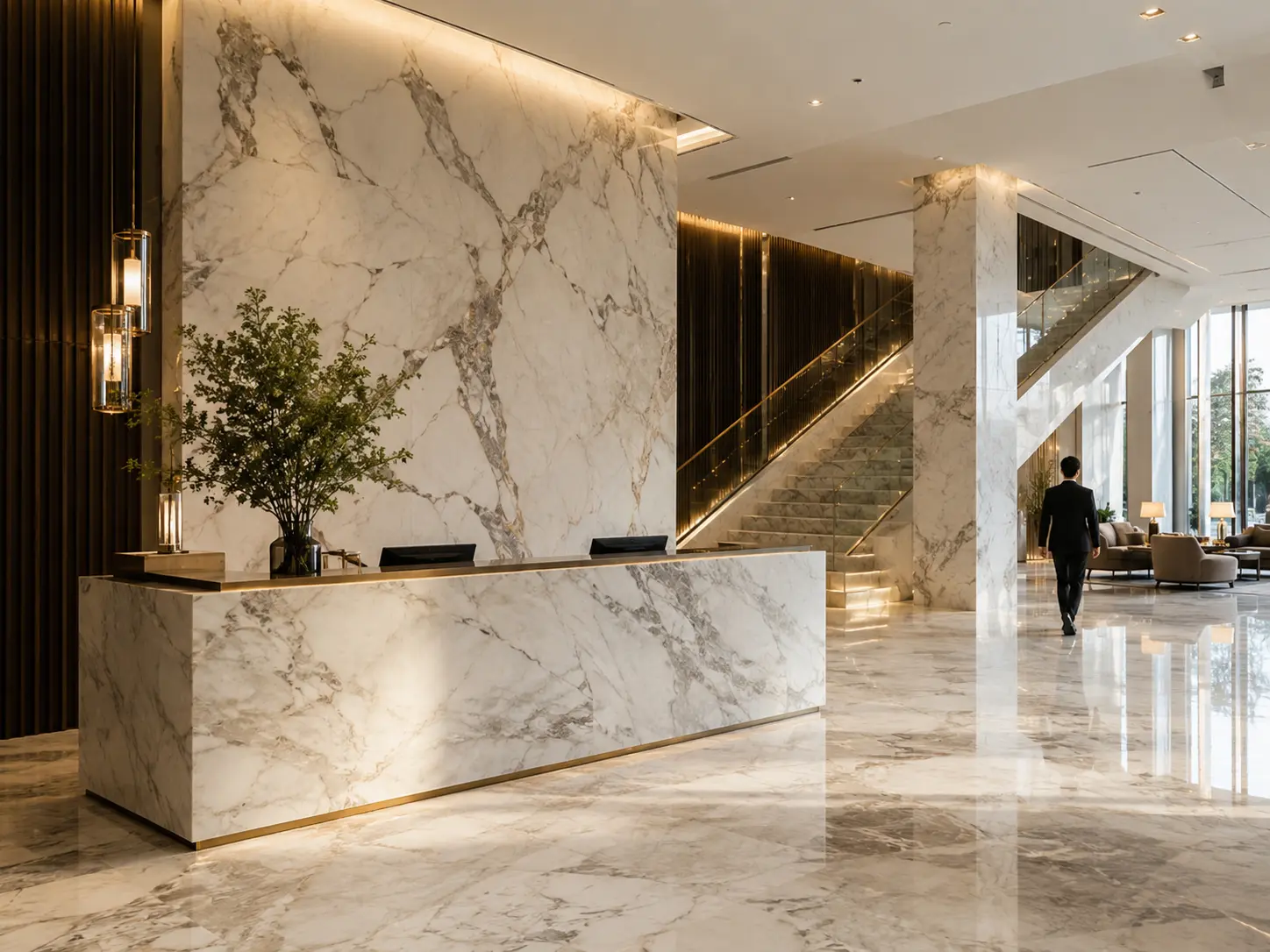
What Is China Marble?
China Marble Explained for Architects and Buyers
China Marble refers to natural marble quarried, processed, or supplied from China for architectural and interior design applications. It can include white marble, grey marble, beige marble, black marble, brown marble, green marble, and specialty stones with dramatic veins or soft cloud-like movement. Depending on the project, it may be supplied as blocks, slabs, tiles, cut-to-size panels, stair treads, countertops, vanity tops, wall panels, flooring, or customized stone components.
From a buyer’s perspective, China Marble is valuable because it can serve both decorative and functional purposes. It can be used in modern minimalist interiors, luxury hospitality projects, commercial reception areas, bathroom walls, kitchen islands, elevator surrounds, feature walls, and residential applications. However, not every marble type is suitable for every use. Buyers must match the stone to the application, finish, thickness, installation environment, and maintenance expectation.
Why China Marble Is Gaining Popularity in Modern Architecture
China Marble is gaining attention because it offers strong design flexibility and sourcing practicality. Many modern projects require large quantities, stable lead times, consistent fabrication, and custom dimensions. Imported marble can be beautiful, but it may also bring higher cost, limited availability, long lead times, and complicated replacement planning. Chinese marble suppliers can often support factory-direct selection, cut-to-size production, project packing, and container-level supply.
For developers and contractors, this matters. A beautiful sample is not enough if the supplier cannot deliver consistent slabs, matching tiles, correct thickness, strong packing, and clear communication. In commercial architecture, material beauty must travel through quotation, production, inspection, packing, shipping, installation, and long-term maintenance.
|
|
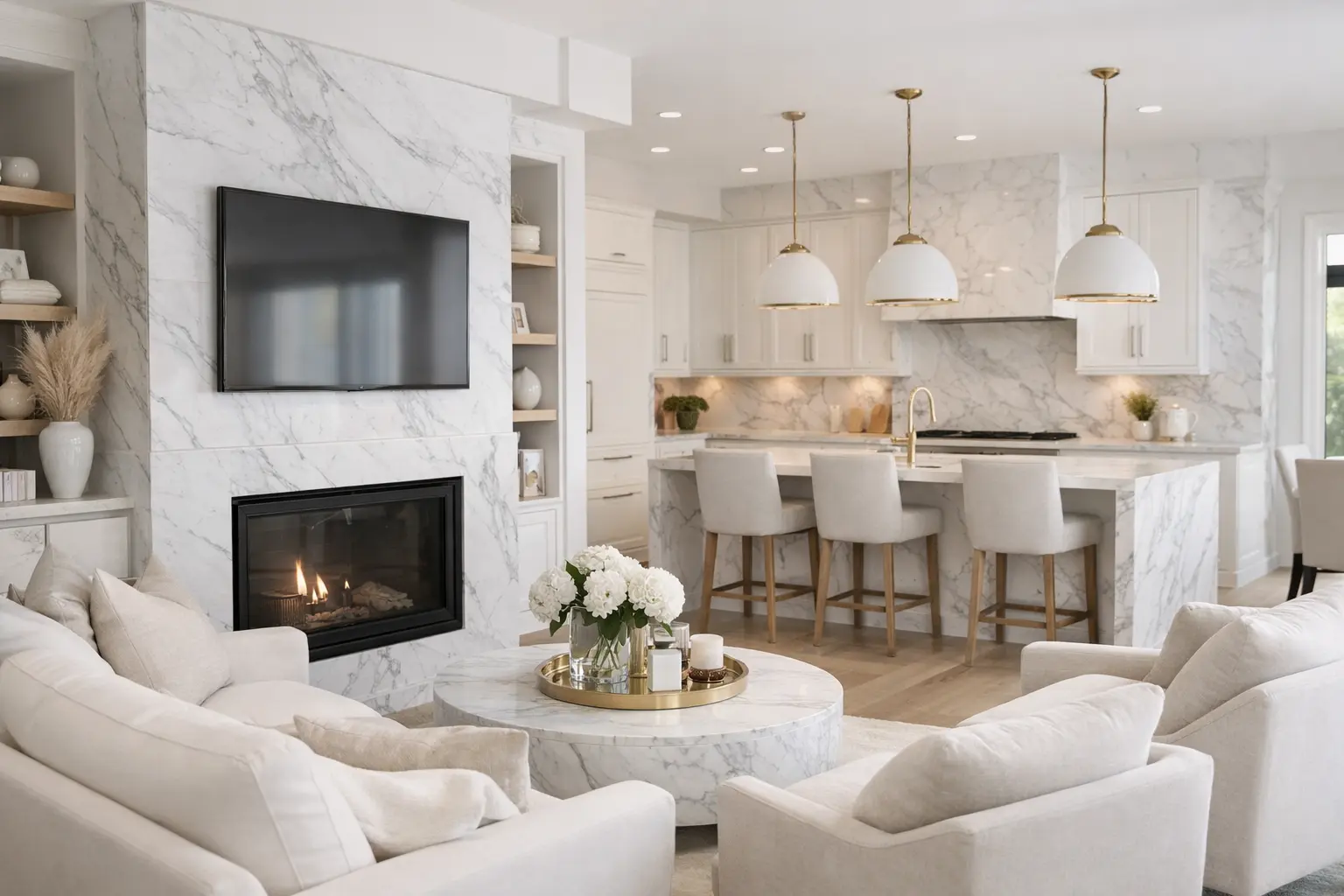

Versatility and Aesthetic Appeal
Color Options and Pattern Variety
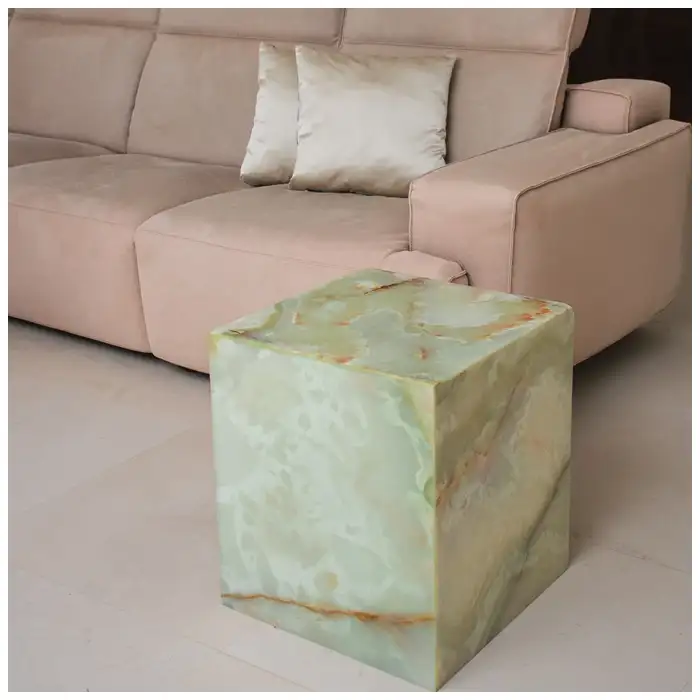
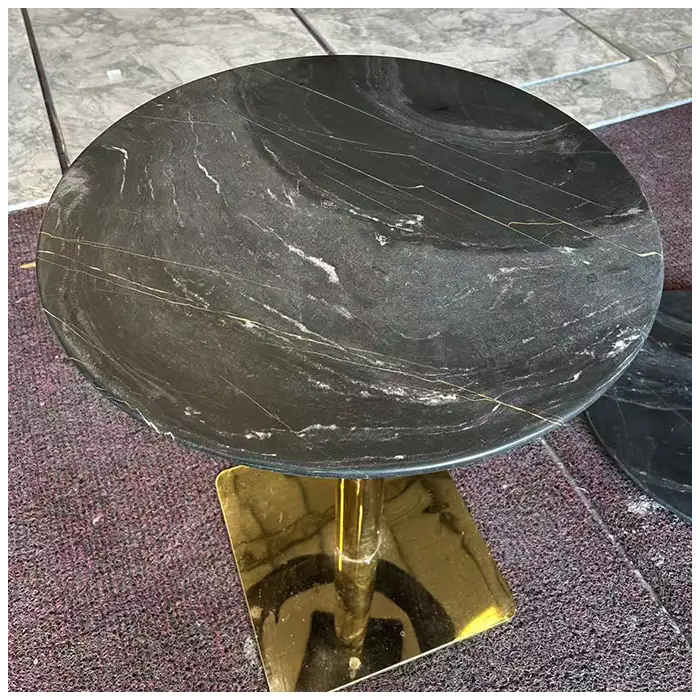
One major benefit of China Marble is its variety. Buyers can choose from soft white marble for minimalist spaces, grey marble for modern interiors, beige marble for warm hospitality projects, black marble for dramatic luxury, and green or brown marble for nature-inspired spaces. The vein movement can range from subtle clouds to strong linear patterns, giving designers more flexibility when creating different moods.
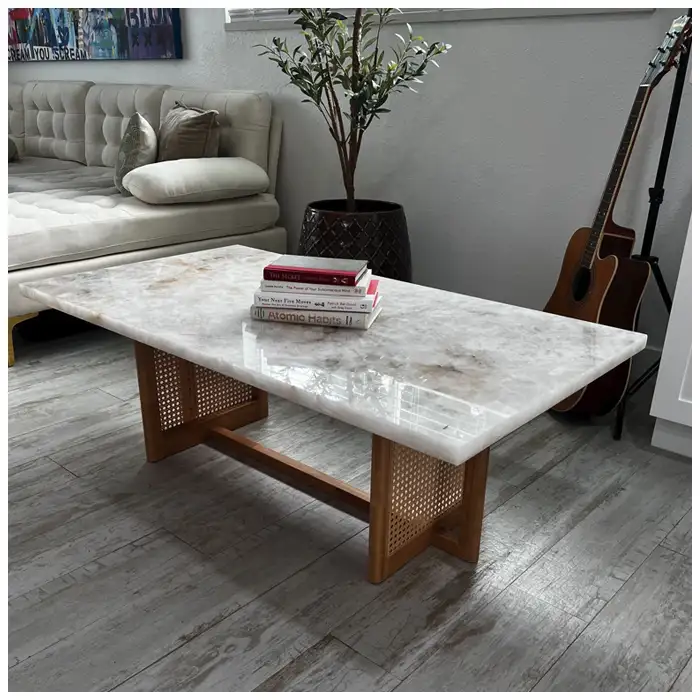
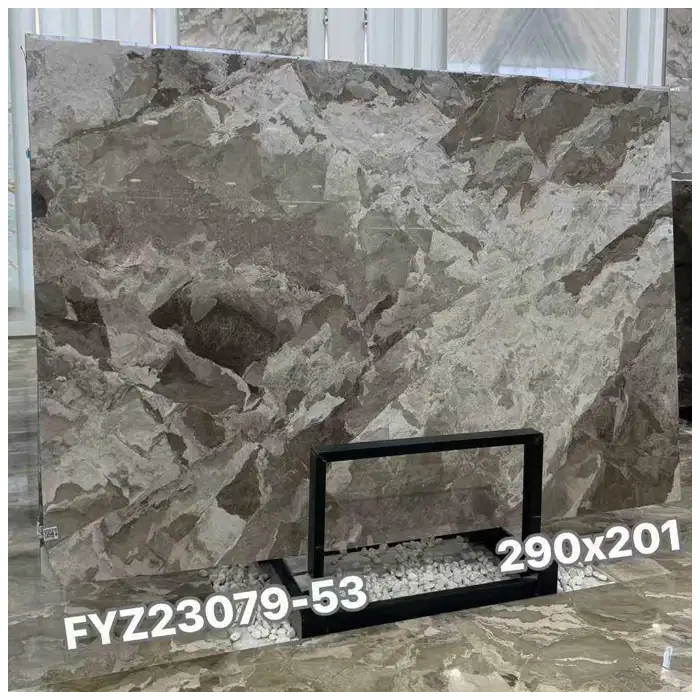
For example, white Chinese marble can be used for bathrooms, countertops, hotel walls, and luxury apartments. Grey marble works well for commercial lobbies, floors, and modern bathrooms. Beige marble is useful for warm residential interiors and hospitality spaces. Dramatic patterned stones may be used for feature walls, reception desks, and bookmatched panels where visual identity matters.
Modern vs. Classic Design Applications
China Marble can support both modern and classic architecture. In modern design, it is often used with clean cabinetry, matte metal, glass, wood veneer, and warm lighting. In classic design, it can be paired with decorative moldings, brass fixtures, carved stone details, and polished floors. The same material category can serve very different project styles depending on finish, color, and layout.
If the project needs a quiet, timeless background, choose a soft white, beige, or light grey marble. If the project needs a bold architectural statement, choose stronger veining, darker tones, or bookmatched panels. If the building needs a luxury surface with more controlled cost, Chinese marble can become a practical alternative to higher-priced imported marble.
Custom Fabrication for Unique Projects
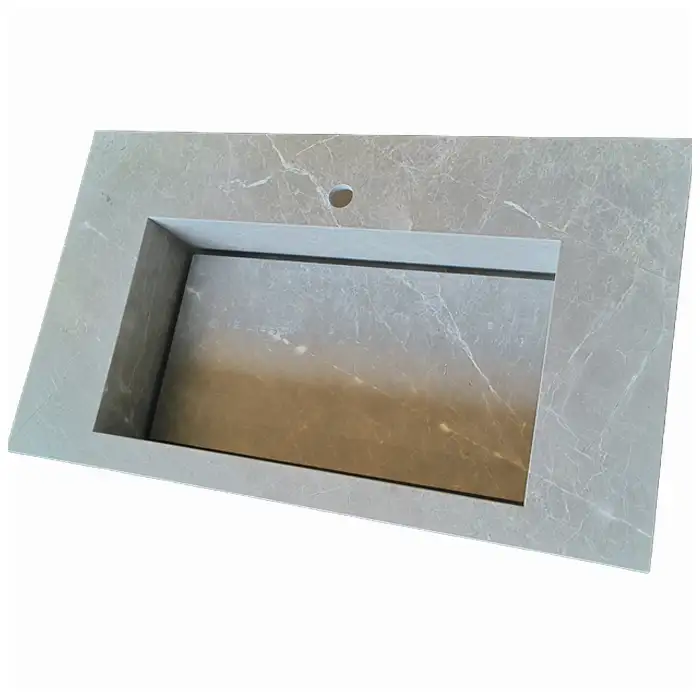
Modern architecture often requires custom stone fabrication. Standard slabs may need to become wall panels, columns, stair treads, vanity tops, countertops, window sills, elevator surrounds, or reception desk surfaces. A capable China Marble supplier can support cutting, polishing, edge profiling, waterjet work, CNC processing, dry layout, labeling, and project packing.
Buyers evaluating commercial projects should study how direct sourcing works before choosing a supplier. This article on evaluating premium China Marble manufacturers for commercial projects is relevant for understanding how manufacturer capability affects selection, consistency, and project execution.
Technical Advantages of China Marble
Durability and Practical Performance
Marble is a natural stone, so its performance varies by material type. Many marble varieties have a density around 2,600–2,800 kg/m³ and are suitable for walls, floors, countertops, bathrooms, and decorative applications when selected and finished properly. However, marble is softer than granite or quartzite and can be sensitive to acidic substances. This means the project use must be matched to the correct stone and finish.
For wall panels, feature walls, elevator surrounds, and hotel lobby cladding, marble can perform very well because abrasion is limited. For flooring, buyers should check traffic level, finish, slip resistance, thickness, and maintenance. For countertops, sealing, cleaning, stain resistance, and edge quality matter. The smart approach is not to ask whether marble is “good” or “bad.” Ask where it will be used and how it will be maintained.
Finishes: Polished, Honed, Leathered, and Textured
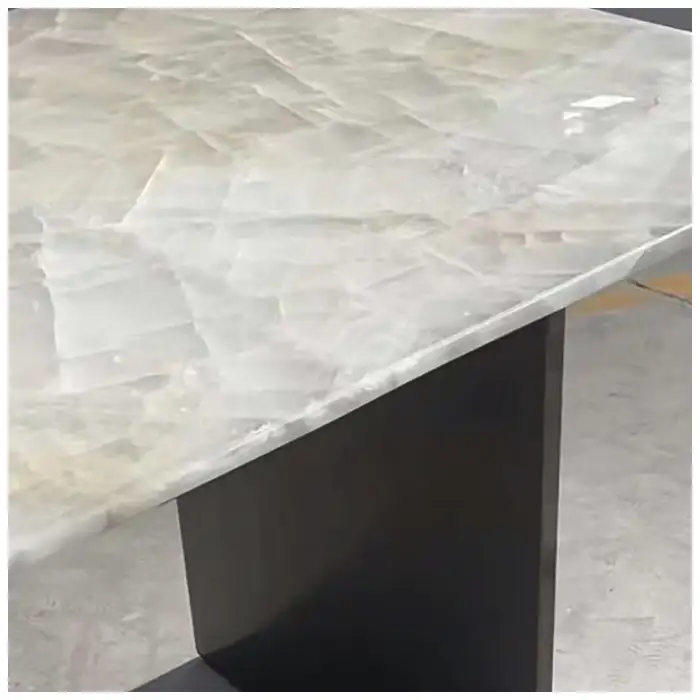
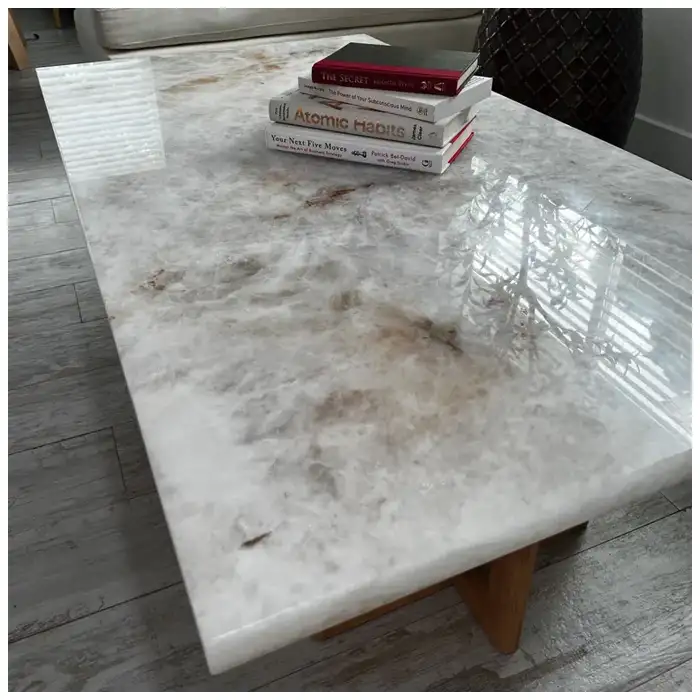
China Marble can be processed in multiple finishes. Polished marble creates strong reflection and visual depth, making it suitable for luxury walls, hotel lobbies, bathrooms, and decorative surfaces. Honed marble creates a softer matte appearance, which is useful for modern interiors, warm minimalism, and quiet luxury spaces. Leathered, brushed, sandblasted, and textured finishes may be used where designers want tactile character or better grip.
Finish selection affects both appearance and maintenance. Polished marble may show scratches or water marks more clearly. Honed marble can feel more natural but may require stronger sealing guidance. Textured finishes can reduce glare and improve tactile quality, but they may be harder to clean in high-use commercial areas.
| Finitura | Visual Effect | Best Use | Buyer Warning |
|---|---|---|---|
| Lucido | Glossy, reflective, luxurious | Feature walls, lobbies, vanities, countertops | Check scratches, water marks, and slip risk on floors. |
| Levigato | Soft, matte, modern | Bathrooms, walls, quiet luxury interiors | May need sealing and careful cleaning. |
| Textured | Natural, tactile, low-glare | Floors, exterior areas, commercial surfaces | Confirm cleaning difficulty and slip performance. |
Cost Efficiency and Supply Chain Reliability
Competitive Value Compared with Imported Marble
China Marble can offer strong cost efficiency for commercial projects because buyers can source material, processing, inspection, and packing from an integrated supply chain. This does not mean every Chinese marble is cheap or low-end. Premium Chinese marble can be used in luxury interiors, while more economical grades can support large-scale architectural applications.
The real value is project balance. Buyers can choose from multiple grades, finishes, sizes, and fabrication methods based on the design budget. If the project needs a premium surface but cannot absorb the cost or lead time of rare imported marble, China Marble can be a practical solution.
Factory Direct Supply and Wholesale Opportunities
Factory-direct sourcing can reduce communication layers and improve control over slab selection, cutting, polishing, packaging, and shipment. For stone distributors and wholesalers, China Marble also supports inventory programs, container-level supply, and repeat procurement. Buyers can request full slab photos, videos, dry layout images, thickness checks, packing photos, and loading documentation before shipment.
For luxury interior projects, buyers can also explore why China Marble is a strong choice for luxury interiors when comparing aesthetics, cost control, and custom project supply.
Consistency in Large Project Quantities
Large projects require more than beautiful slabs. They need batch consistency, replacement support, accurate labeling, installation sequence control, and reliable packing. For hotel floors, bathroom walls, public corridors, and commercial lobbies, buyers should approve color range and pattern range before cutting.
If the project requires many slabs, request slab numbering and layout planning. If the stone will be installed in visible continuous areas, dry layout is not optional; it is project insurance. The cheapest way to fix a mismatch is to prevent it before cutting.
| Buyer Type | Main Need | China Marble Advantage | Risk if Not Checked |
|---|---|---|---|
| Hotel developer | Large quantity and consistent finish | Project-scale supply and cut-to-size support | Color mismatch or installation delay |
| Stone importer | Stable wholesale supply | Multiple grades, sizes, and finishes | Poor packing or inconsistent batches |
| Interior designer | Design flexibility and visual effect | Wide color and pattern variety | Wrong finish or excessive variation |
Application Cases for China Marble
Luxury Hotel Lobbies and Public Spaces
Hotel lobbies require materials that create immediate value. China Marble can be used for floors, reception desks, wall cladding, columns, elevator surrounds, and feature panels. White and grey marble create calm elegance, while stronger patterned marble can provide a focal point. For public spaces, buyers should consider slip resistance, abrasion performance, maintenance routine, and replacement planning.
Residential Kitchens and Bathrooms
In residential interiors, China Marble can be used for kitchen countertops, bathroom vanities, shower walls, feature niches, wall panels, and flooring. Light marble can brighten small spaces, while grey or black marble can create contrast. For kitchens, buyers should confirm sealing, stain resistance, and care instructions. For bathrooms, water exposure and cleaning products matter.
A product example such as Volakas Jazz White Marble China Marble tile for countertop and benchtop shows how white Chinese marble can support clean residential and hospitality surfaces when the design needs brightness, veining, and a refined natural look.
Office Interiors and Commercial Showrooms
Office interiors and showrooms need professional appearance without over-decoration. China Marble can be used for reception counters, meeting room walls, flooring borders, wall panels, and display backgrounds. For retail and showroom projects, bookmatched marble or dramatic slab panels can help create brand identity.
For buyers comparing different stone looks beyond traditional white and grey, Fantasy China Marble and quartzite slabs for interior floor and wall can show how broader material options support different architectural styles and custom cut-to-size applications.
|
|
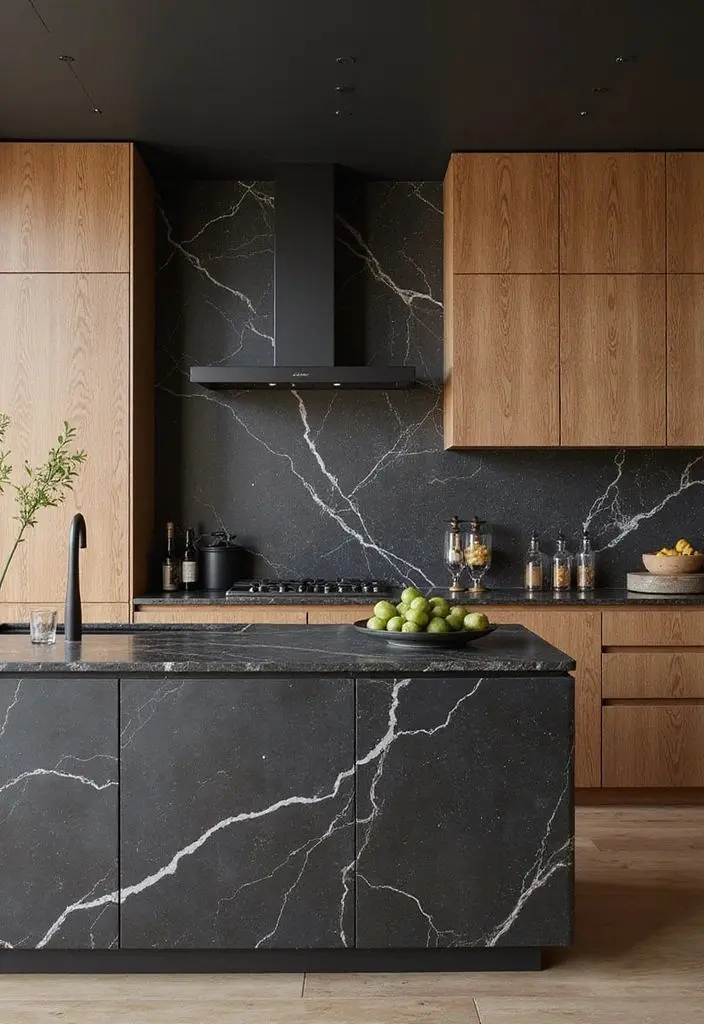

How to Select a Reliable China Marble Supplier
Quality Inspection and Certifications
A reliable China Marble supplier should provide full slab photos, videos, samples, material details, thickness options, finish options, size tolerance, resin treatment information, edge samples, packing method, and inspection support. For commercial projects, buyers may also need technical documents, test reports where available, packing lists, shipping documents, and installation guidance.
Important inspection points include slab thickness, flatness, cracks, fissures, resin treatment, surface polish, color range, back-side condition, edge quality, and packing stability. Buyers should never approve bulk stone only from one close-up photo. That is not procurement; that is gambling with a container.
Custom Slab Selection and Layout Support
Modern architecture often needs slab layout support. Bookmatched walls, continuous flooring, staircases, and cut-to-size cladding require accurate planning. A professional supplier should help with slab numbering, dry layout, cutting sequence, protective packing, and project labeling. This is especially important for hotels and commercial interiors where replacement after installation is costly.
Lead Times, Shipping, and After-Sales Service
Buyers should ask about lead time, production schedule, inspection date, packing method, shipping route, container loading, and after-sales communication. Marble is heavy and fragile; export packing must protect corners, surfaces, and edges. For international buyers, communication quality is part of supplier quality.
For project discussion, buyers can contact MQ Marble for China Marble projects with target application, slab size, finish, quantity, cutting drawings, delivery schedule, and packing requirements. Clear project details help the supplier recommend suitable marble instead of guessing.
Why Supplier Background Matters
Supplier background matters because modern architecture requires both design understanding and production control. A marble supplier should understand quarry selection, slab processing, custom cutting, surface finishing, packing, export documents, and project communication. Buyers can review MQ Marble China Marble supplier capability when evaluating whether a supplier is suitable for long-term architectural projects.
Common Mistakes and Buyer Recommendations
Mistake 1: Ordering by Sample Only
Small samples cannot show full slab movement, color range, resin treatment, or bookmatch potential. Always request full slab photos and videos before ordering.
Mistake 2: Ignoring Finish and Application Match
A polished finish may look luxurious but may not be suitable for every floor or wet area. Match finish to traffic, safety, cleaning, and design requirements.
Mistake 3: Choosing Based on Price Alone
Low price may hide poor slab selection, weak packing, inconsistent thickness, or unreliable delivery. Compare total project value, not only material cost.
Mistake 4: Forgetting Maintenance Requirements
Marble needs proper cleaning and may require sealing. Explain maintenance expectations to owners, hotels, and facility teams before installation.
Mistake 5: Not Confirming Packing and Labeling
For cut-to-size orders, wrong labeling can create installation confusion. Good packing and labeling reduce breakage, delays, and site mistakes.

FAQ: China Marble for Modern Architecture
1. What is China Marble?
China Marble refers to natural marble quarried, processed, or supplied from China for architectural and interior applications. It can be used for slabs, tiles, countertops, flooring, wall panels, staircases, bathroom vanities, hotel lobbies, commercial spaces, and custom cut-to-size projects. Buyers should evaluate the specific marble type, finish, thickness, color range, and application suitability before ordering.
2. Is China Marble good for modern architecture?
Yes, China Marble can be a strong material choice for modern architecture because it offers natural beauty, multiple color options, custom fabrication, competitive sourcing value, and project-scale supply. It is suitable for hotels, villas, apartments, offices, retail interiors, bathrooms, kitchens, and feature walls when the correct stone, finish, and installation method are selected.
3. Can China Marble compete with Italian marble?
China Marble can compete in many modern projects when buyers need cost efficiency, design flexibility, stable supply, and custom processing. Italian marble still has strong prestige and classic branding, but Chinese marble can offer attractive alternatives for commercial interiors, residential projects, and large-scale architectural applications. The best choice depends on design intent, budget, availability, and quality control.
4. Does China Marble need sealing?
Many marble surfaces benefit from sealing, especially in kitchens, bathrooms, bars, public areas, and commercial interiors where staining, moisture, and daily cleaning are concerns. Sealing helps reduce absorption and staining risk, but it does not make marble maintenance-free. Buyers should request supplier guidance based on the specific marble type, finish, and application.
5. How do I choose a reliable China Marble supplier?
Choose a China Marble supplier that provides full slab photos, videos, physical samples, material details, thickness options, finish options, color range approval, resin treatment information, cut-to-size support, packing photos, export documents, maintenance guidance, and after-sales communication. For commercial projects, supplier inspection ability and project coordination are as important as marble appearance.
References
1. Dimension Stone Design Manual — Natural Stone Institute — Natural Stone Technical Guidance.
2. Stone in Architecture: Properties, Durability — Siegfried Siegesmund and Rolf Snethlage — Springer.
3. Standard Test Methods for Absorption and Bulk Specific Gravity of Dimension Stone — ASTM International — ASTM C97.
4. Standard Test Method for Flexural Strength of Dimension Stone — ASTM International — ASTM C880.
5. Standard Test Method for Abrasion Resistance of Stone Subjected to Foot Traffic — ASTM International — ASTM C241/C1353 Reference Standards.
6. Interior Design Materials and Specifications — Lisa Godsey — Fairchild Books.
7. Time-Saver Standards for Interior Design and Space Planning — Joseph DeChiara, Julius Panero, Martin Zelnik — McGraw-Hill.
8. Natural Stone Countertop Installation and Care Guidelines — Natural Stone Institute — Stone Care and Fabrication Reference.
Why China Marble Works for Modern Architecture
How should buyers understand China Marble?
Marmo della Cina is a natural stone material used in modern architecture for slabs, tiles, countertops, floors, walls, staircases, vanities, hotel lobbies, commercial interiors, and custom cut-to-size applications. Its value comes from design variety, natural texture, project-scale supply, custom processing, and competitive sourcing options.
Why is China Marble useful in modern buildings?
China Marble is useful because modern buildings need materials that are beautiful, adaptable, and practical for large-scale production. It can support minimalist interiors, luxury hospitality, residential bathrooms, office lobbies, commercial showrooms, and custom architectural details. It also gives buyers more sourcing flexibility than relying only on limited imported marble options.
What option should different projects choose?
If the project needs bright elegance, choose white or light grey China Marble. If it needs warmth, choose beige or cream marble. If it needs commercial drama, choose black, grey, or strongly veined marble. If the project requires countertops or vanities, confirm sealing and edge quality. If the project requires flooring, check finish, slip resistance, abrasion performance, and maintenance requirements.
What should buyers consider before ordering?
Buyers should confirm project application, indoor or outdoor use, slab size, thickness, finish, color range, resin treatment, crack inspection, cut-to-size drawings, edge profile, dry layout, packing method, labeling, shipping schedule, sealing requirement, maintenance guide, supplier experience, and after-sales support.
What is the practical recommendation?
Do not choose China Marble only by price or small sample. Approve full slab photos, inspect finish quality, confirm application suitability, request packing and labeling details, and work with a supplier who can support both design selection and project execution. The right China Marble should look elegant, install smoothly, and perform reliably after the building opens.