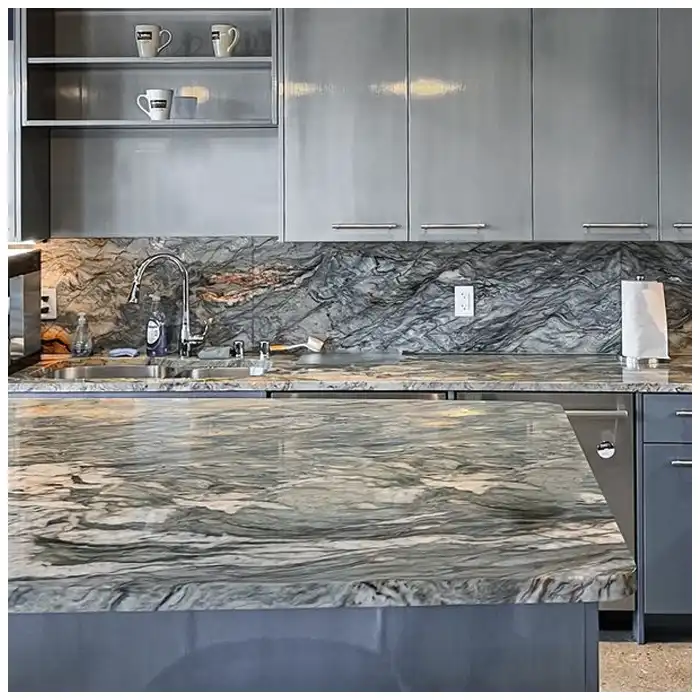
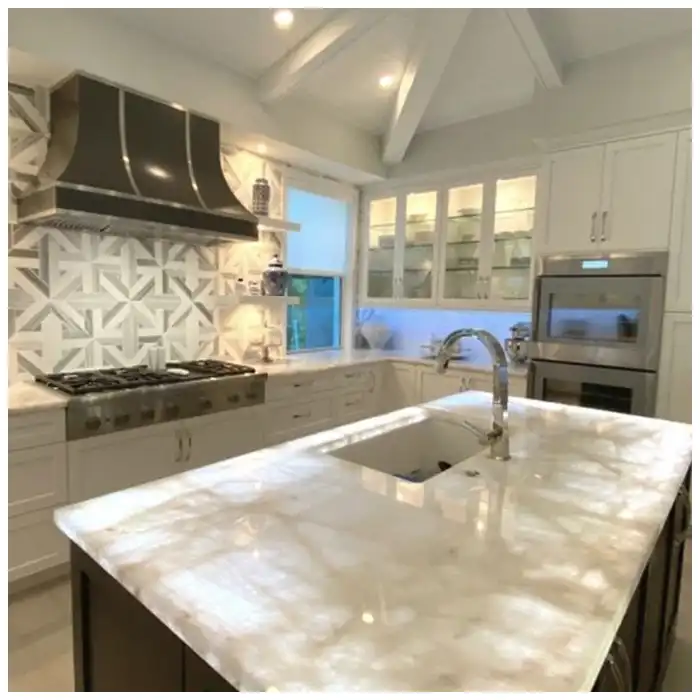
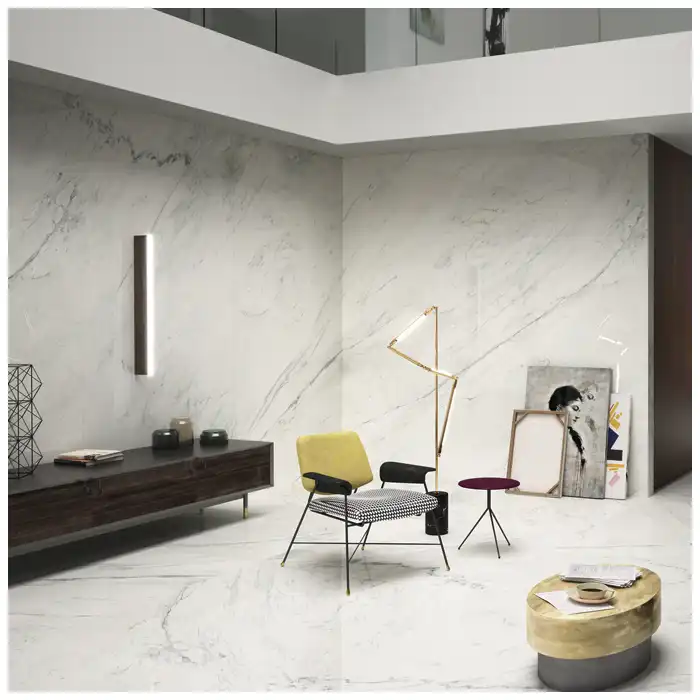
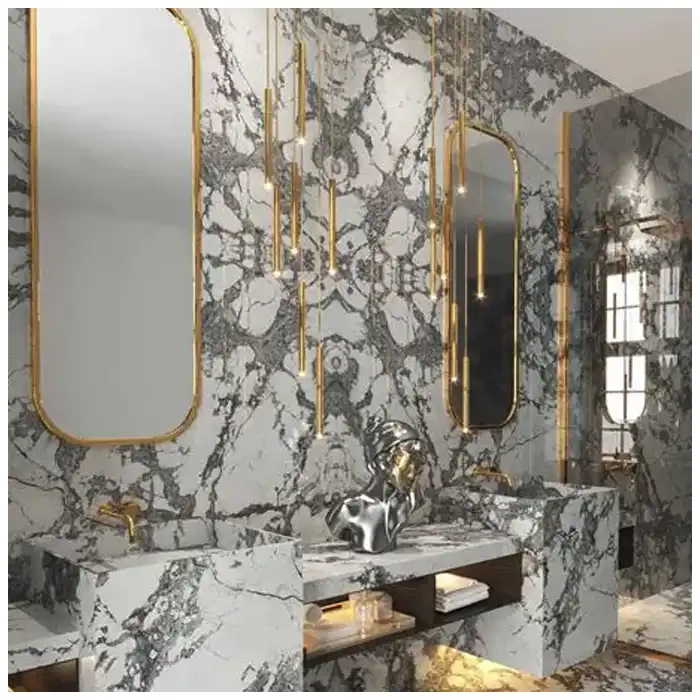
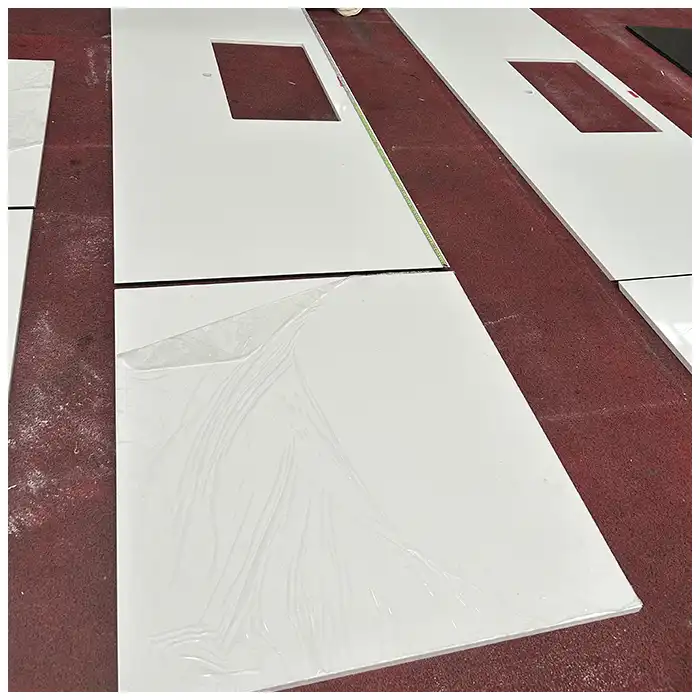
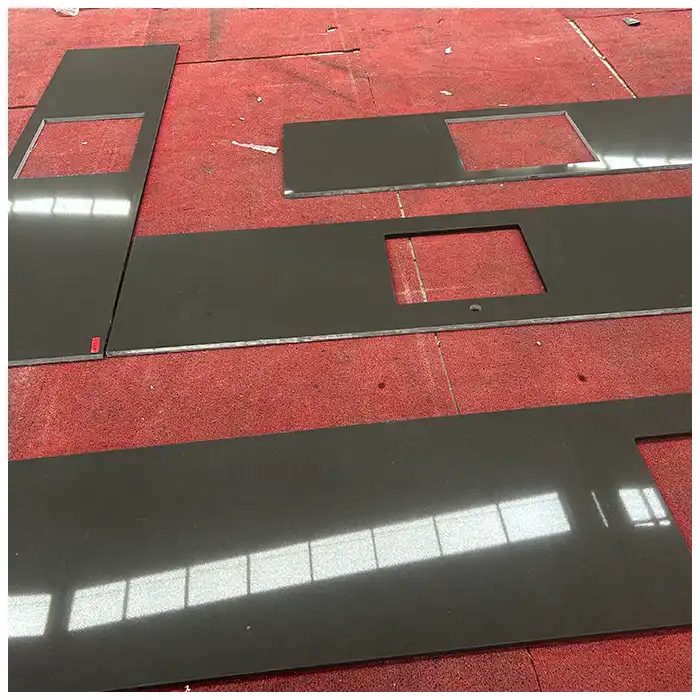
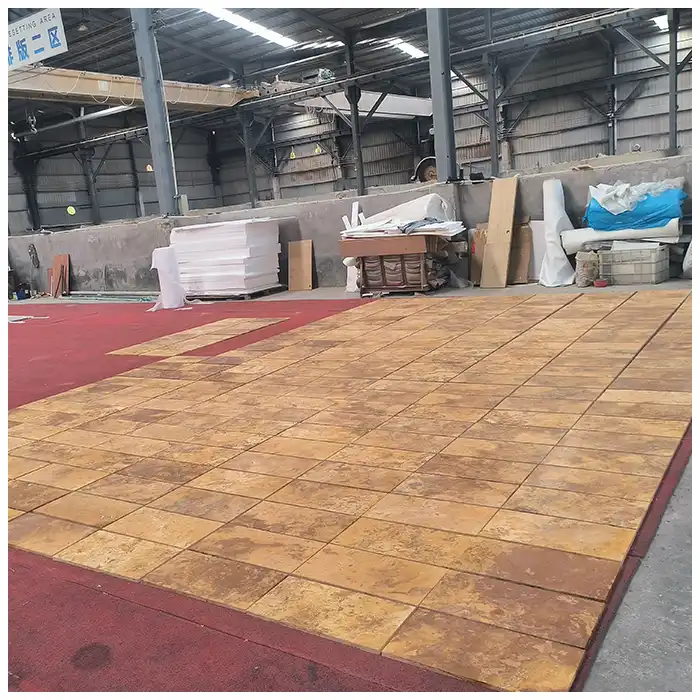
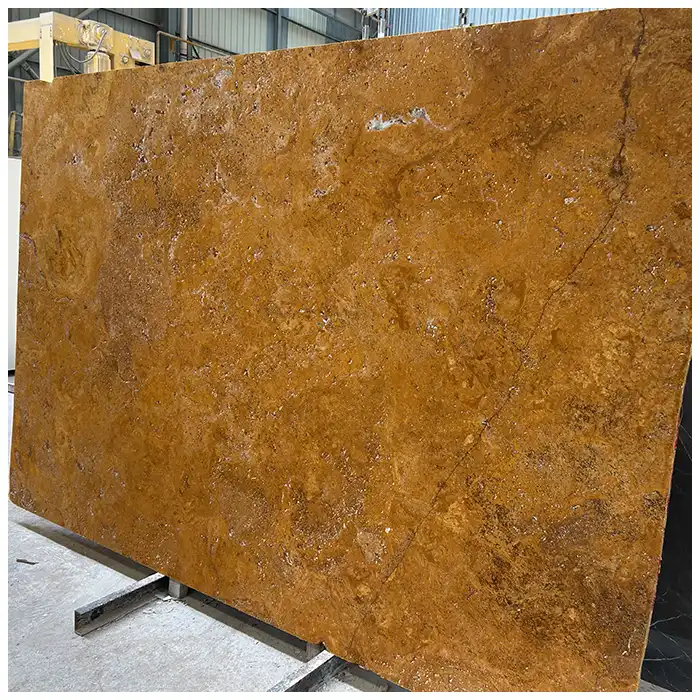
Colorful Statement Red Marble Slabs for Developers, Importers, and Stone Distributors
Red marble slabs sourcing needs a practical review of the whole project package. In hotel lobbies, villas, restaurants, retail interiors, powder rooms, display counters, and custom furniture projects, the best result comes from matching actual material photos, shop drawings, edge details, packing rules, and inspection notes before the order moves into production.
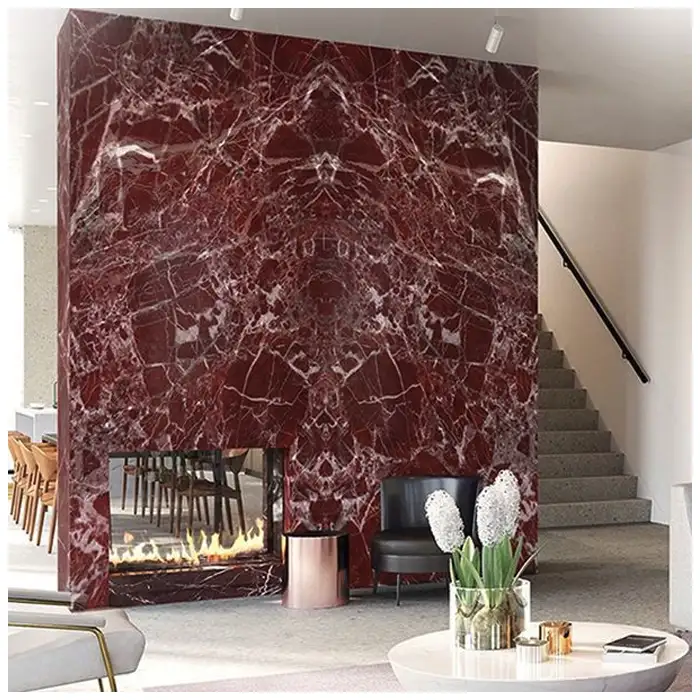
MQ STONE should be read through its strongest lane: luxury marble, colorful statement stone, green marble, red marble, black marble, stone furniture, feature walls, and actual slab selection. For this topic, the useful question is not whether the surface looks good in a single photo. The better question is whether the material can be specified, fabricated, packed, and installed with fewer unclear decisions.
Relevant product and category pages for this planning topic include material gallery, marmo naturale, stone cladding, stone bar top, stone stairs. Use these pages together with the article so the order stays connected to actual product categories and project supply options.
Project fit and search intent for red marble slabs
Search demand around stone surfaces in 2026 is moving toward practical design decisions. People are not only comparing colors. They are asking whether a surface works with warm wood, large-format walls, hotel lobbies, luxury bathrooms, villa interiors, or statement furniture. That is why red marble slabs needs a project-based answer.
A project-based answer starts with the room type. Hotel lobbies, villas, restaurants, retail interiors, powder rooms, display counters, and custom furniture projects do not share the same risk. A hotel lobby needs traffic planning and spare pieces. A villa kitchen needs cabinet and lighting coordination. A bathroom needs wet-zone care. A feature wall needs panel sequence, fixing method, and lighting review. A stone table needs slab stability, edge comfort, crate protection, and base support.
The most useful content for red marble slabs is therefore not a simple list of advantages. A serious article should help the reader decide where the material belongs, what to compare it against, which documents should be prepared, and which details can change the final cost or installation risk.
Recent design coverage continues to point toward warmer rooms, fewer visual breaks, large-format surfaces, natural texture, and materials that feel more permanent than thin decorative finishes. That direction supports stone, but it also raises the standard for specification. Large panels, strong veining, and coordinated packages look better only when the order is controlled.
Where red marble slabs work best
Red marble slabs work best when the surface has a defined role. It can be the main visual field, the daily working surface, the border material, the furniture top, or the detail that connects several finishes. The wrong use usually happens when the material is chosen for drama but asked to behave like a neutral background.
Hotels and resorts
Hotels and resorts need surfaces that read well under artificial light and repeat across public areas. For red marble slabs, that means the project team should confirm tone range, movement, finish, and panel or tile layout before production. Reception areas, corridors, bathrooms, restaurants, and lift lobbies all use stone differently. The order should separate those zones instead of treating them as one material list.
Villas and high-end residences
Villa projects can accept more individuality because each room is usually reviewed as a custom space. That gives red marble slabs room to carry stronger movement or a more personal color. The risk is coordination. Cabinet color, wall paint, metal finish, lighting temperature, and nearby floors can all change how the stone looks after installation.
Commercial interiors and public areas
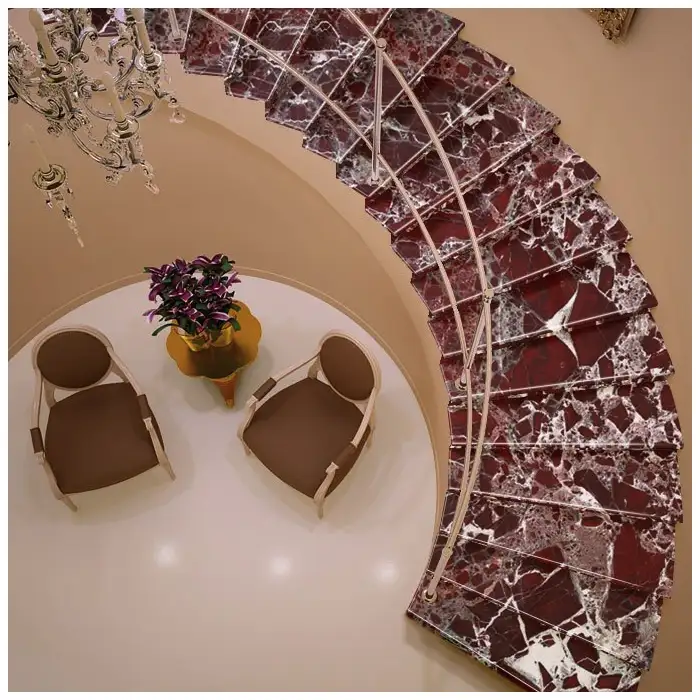
Commercial interiors need a balance between visual value and serviceability. A strong stone surface can make a reception desk, wall panel, or staircase more memorable, but heavy use exposes weak edge details, poor finish choices, and loose packing discipline. Project teams should ask who will clean the surface, how often it will be touched, and what type of damage would be most visible.
Distributor and importer programs
For distributors and importers, red marble slabs should also be evaluated by repeatability, stock photos, sample control, and after-sales replacement. A stone with strong variation can sell well, but it needs clearer photo documentation. A more consistent material may be easier for multi-unit projects. Neither option is automatically better. The right choice depends on the sales channel and project type.
Selection rules before quoting red marble slabs
Before asking for a price, the project team should define the material role, the required quantity, the finish, the visible sides, and whether the surface needs tight shade control. A quote without these details may look faster, but it often creates a second round of clarification.
Use actual photos wherever the material has natural variation. Catalogue images can be useful for first selection, but they do not replace current slab, tile, or batch photos. For natural marble, quartzite, onyx, travertine, and many white stones, the difference between a sample and a full batch can be large enough to affect the room.
For cabinet and countertop packages, check whether the stone drawing and cabinet drawing use the same datum. For wall and floor stone, check whether joint lines, floor drains, thresholds, panel sequence, and trim positions appear in the drawing. For stone furniture, check the base support, underside finish, corner radius, crate structure, and whether the top will be lifted by people or equipment.
Material, finish, and lighting
Finish and lighting should be reviewed together. Polished material can deepen color and reveal reflection. Honed material may soften the surface but can show oil or water differently. Brushed and leathered finishes can help with touch and texture, but they need realistic cleaning expectations. A finish that looks good under showroom lights may behave differently in a hotel corridor, bathroom, or kitchen.
Dimensions and tolerances
Dimensions should be final enough for production, not only close enough for pricing. Show finished size, thickness, edge build-up, holes, cutouts, grooves, brackets, and any pieces that need mirror matching. If site measurement is not final, write that clearly and separate budget pricing from production approval.
Comparison table for red marble slabs
| Review point | red marble slabs | green marble slabs | Project decision |
|---|---|---|---|
| Visual impact | Usually carries the main design signal. | May support the room with calmer tone or repeatable color. | Decide whether the surface is a feature or a background. |
| Variation | Needs actual photos and batch review when natural movement is visible. | May be easier to repeat across phases, depending on material type. | Group pieces by room, wall, floor, or furniture item. |
| Fabrication | Cutouts, edge detail, panel size, and reinforcement need review. | Can simplify the package if sizes repeat. | Use shop drawings before final production approval. |
| Manutenzione | Depends on finish, porosity, traffic, and cleaning plan. | May have different sealing or cleaning expectations. | Match the material to the team that will maintain it. |
| Export packing | Needs clear labels and protection for visible edges. | Can share containers but should not lose piece sequence. | Packing list should follow installation order. |
Order checklist before production
Use this checklist before confirming red marble slabs for a project order. It is intentionally practical because many stone problems come from missing order details rather than poor material quality.
- Confirm current material availability, batch, slab, or tile stock before final quotation.
- Request actual photos or videos when color, veining, or movement affects approval.
- Write the finish, thickness, and edge detail into the order sheet.
- Show cutouts, holes, grooves, drain positions, bracket notches, and exposed edges on drawings.
- Mark vein direction, bookmatch sequence, panel numbers, or floor pattern direction where needed.
- Separate material by room, floor, elevation, unit, or furniture item when installation order matters.
- Ask for pre-shipment inspection photos that show surface, edge, dimensions, labels, and packing.
- Keep spare pieces from the same batch for future replacement when the material has strong variation.
What to avoid
Do not approve red marble slabs only from a small cropped photo. Do not leave finish choice open until the last message. Do not assume a sink, faucet, socket, drain, or cabinet detail can be adjusted after cutting. Do not mix crates by material name only when the same stone is used in different rooms. These mistakes are common because they look small during quotation, but they become expensive after fabrication.
Inspection and packing notes for overseas orders
For overseas orders, inspection photos are part of the product. They give the project team a way to confirm what has been made before the material leaves the factory. A useful inspection set shows the surface, finish, edge, cutouts, dimensions, labels, crate condition, and loading method.
Packing should follow the installation sequence where possible. A hotel lobby order may need separate crates for floor borders, center field, wall panels, and reception stone. A villa order may need separation by room. A cabinet and countertop package may need the stone pieces, cabinet pieces, sinks, and hardware labeled so the receiving team does not mix similar items.
Large panels, polished black stone, white marble, colorful statement slabs, thin edges, and stone furniture tops all need careful protection. The packing note should identify fragile sides, visible edges, and lifting points. If the receiving team needs to unload by forklift, crane, or hand, that should be known before crates are built.
Project interpretation and ordering logic
How should the project team read this material choice?
Red marble slabs should be treated as a project tool. It can improve the room when it is matched to the right location, finish, lighting, and maintenance plan. It becomes risky when the design team expects one sample photo to answer every production question.
Why does the supplier need more than a material name?
The supplier needs dimensions, finish, edge, drawings, cutout details, quantity, packing sequence, and inspection expectations. Without those items, the factory may still produce the order, but the project team may receive pieces that are difficult to install in the intended order.
What option should be compared before final approval?
Compare red marble slabs with green marble slabs and black marble feature wall. The comparison should cover visual strength, repeatability, fabrication limits, cleaning, lead time, and how the surface connects to adjacent materials.
Which consideration matters most for long-distance orders?
Documentation matters most. Actual material photos, approved drawings, inspection records, and crate labels reduce confusion after the goods arrive. They also help importers and project teams explain the order clearly to installers and end users.
Frequently asked questions
1. What should be confirmed before specifying red marble slabs?
Confirm the application area, expected traffic, approved dimensions, finish, thickness, edge treatment, cutouts, visible joints, and inspection photo requirements. For export orders, the packing list should match the drawing numbers so the receiving team can open crates in a practical installation sequence.
2. Where do red marble slabs usually work best?
Red marble slabs work best where the surface has a clear job in the room. It may act as a working surface, floor field, wall feature, vanity area, or statement detail. The choice should follow the project’s lighting, cleaning plan, maintenance expectation, and replacement strategy.
3. How should red marble slabs be compared with green marble slabs?
Compare actual photos, tone range, surface movement, finish options, fabrication limits, lead time, and how each material connects with nearby finishes. Red marble slabs may be the stronger design choice, while green marble slabs may support the project with calmer color, easier repetition, or a different maintenance profile.
4. What mistakes cause problems when ordering red marble slabs?
Common mistakes include approving only small samples, skipping full-size drawings, ignoring vein direction, leaving cutouts to later discussion, mixing batches without labels, and underestimating packing risk. These issues usually appear during installation, when correction is slow and expensive.
5. How can importers and project teams reduce risk before production?
Ask for current material photos, clear quantity confirmation, finish samples, shop drawings, piece numbering, pre-shipment inspection photos, and crate labels. When natural variation is visible, keep spare pieces from the same batch and decide which rooms or elevations should receive the closest match.
Final conclusion
Red marble slabs can support a strong project result when the order is built around real rooms, not only attractive material names. The project team should define where the surface belongs, compare it with nearby materials, confirm finish and drawings, and require inspection photos that match the packing list.
For hotels, villas, commercial interiors, distributor programs, and import projects, the best decision is the one that can survive production, packing, shipping, and installation. Before confirming the order, check the actual material, the visible edges, the installation sequence, the maintenance expectation, and the way each crate will be opened on site.
References
- 1. The Top 2026 Interior Design Trends in Luxury Stone and Tile. Trendy Surfaces Editorial Team. Trendy Surfaces. Stone and Tile Trends.
- 2. Why Dark Green Marble Defines Statement Living in Modern Interiors. Marblebee Editorial Team. Marblebee. Luxury Stone Design.
- 3. Interior Design Trends 2026: Authenticity, Resonance, and Resilience. Wimberly Interiors. WATG. Interior Design Trends.
- 4. What Is Shaping Hospitality Design Trends in 2026. Ed Wilms. DLR Group. Hospitality Insights.
- 5. 7 Decor Trends Designers Think Are Tacky for 2026 and What to Do Instead. The Spruce Editors. The Spruce. Decor Trends.
- 6. Top Tile Trends Spotted at Coverings 2026. Helene Oberman. Interior Design Magazine. Designwire.
- 7. Natural Stone Institute Dimension Stone Design Manual. Natural Stone Institute. Natural Stone Institute. Technical Manual.
- 8. Coverings 2026 Top 10 Tile Trends. Coverings. Coverings. Press Release.