Exotic Quartzite Slab Selection by Mineral Depth and Light
Set a quartzite slab upright and move one light from the front to the side. The surface can change from a flat color field into a layered structure of interlocking quartz, mica flashes, opaque mineral bands, and pale areas that carry light through the edge. A small sample cannot show that shift or tell a designer where the strongest movement belongs.
The first decision is therefore visual and technical at the same time: inspect the entire face, record the light, map fissures and repairs, and place the intended cut outline before approving the slab. Mineral depth matters only when the finished application can preserve it.
How Exotic Quartzite Slab Selection Begins
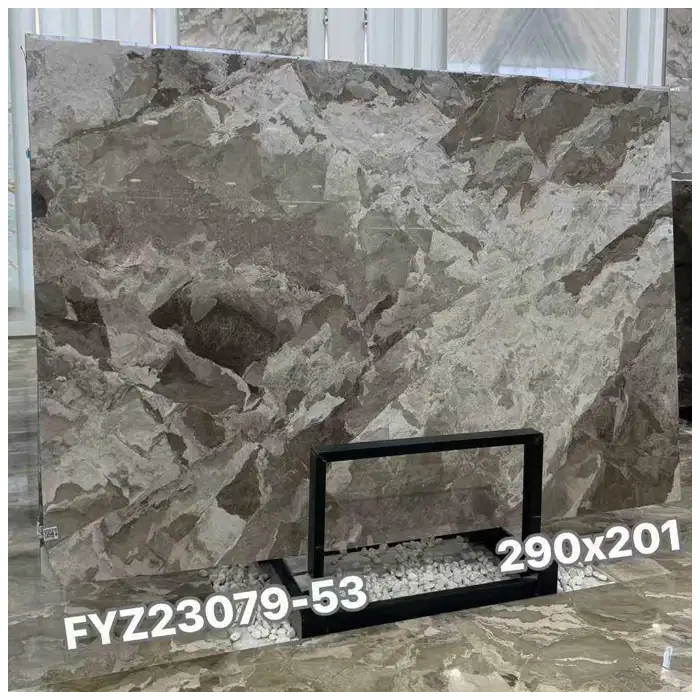
Exotic quartzite slab selection starts with identifiable full faces, dimensions, thickness, finish, geological observations, accepted natural features, repairs, intended application, and light. I do not begin with a cropped sample. The sample can confirm touch or general color; it cannot explain the composition.
The larger framework remains Luxury Natural Stone Slabs and Furniture: Complete Guide to Materials, Applications, Edges, Lighting, and Support. Quartzite is one material family inside it. This selection goes deeper into crystal structure, mineral depth, fissures, translucency, and how those facts influence placement.
I view the slab upright from the distance expected in the room, then close enough to see crystals and surface work. A face that feels chaotic from one meter may resolve beautifully across a ten-meter lobby. A delicate mineral event may disappear when seen above a kitchen island from the doorway.
Read crystals before reading color names
True quartzite forms when quartz-rich sandstone recrystallizes under heat and pressure. Interlocking quartz grains can produce hardness and a particular optical depth. Mica, iron-bearing minerals, and other impurities can add silver, green, gold, red, or dark movement. Commercial naming does not replace mineral identification.
Quartzite mineral depth appears when light reflects from crystals at different levels and angles. It is not the same as a printed image. The edge and cutout can continue that structure through thickness, which matters on tables, islands, and sculptural pieces.
I compare quartzite mineral depth at the face and edge so a reflective surface effect is not mistaken for structure through the body.
Front Light, Side Light, and Transmitted Light
I use diffuse front light to judge overall composition and color balance. Side light reveals polish, waviness, resin, texture, and crystal reflection. Transmitted light, where the material allows it, identifies translucent zones and hidden support shadows. Camera exposure must remain stable enough to compare observations.
The published How Lighting Changes Colorful Marble, Quartzite, and Onyx Slabs guide explains the room-level question. Here, I move the lamp across the actual face and mark which mineral zones brighten, disappear, or turn visually heavy.
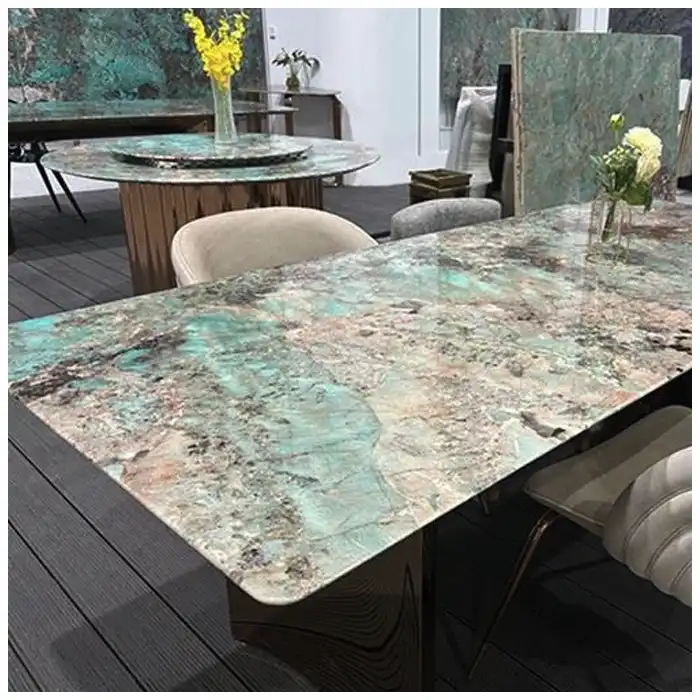
An Avocado Quartzite Slab may reveal green layers and lighter crystalline threads differently under warm and cool light. I do not force it into one digital color. I record how the green field changes through the day and decide whether that range belongs in the intended room.
| Review condition | What it reveals | Selection decision |
|---|---|---|
| Diffuse front light | Overall color, movement, balance, and face composition | Choose architectural role and viewing distance |
| Low side light | Crystal reflection, texture, polish, resin, surface waviness | Approve finish and visible orientation |
| Warm project light | Gold, cream, red, and green mineral response | Check compatibility with timber, metal, and wall finishes |
| Cool project light | Blue, gray, white, and sharp contrast | Check whether the face becomes too cold or visually fragmented |
| Transmitted light | Translucent quartz zones, cracks, repairs, support shadows | Decide whether backlighting adds value and how support must change |
| Edge and wet test | Body continuity, color saturation, fissure behavior | Place edges, cutouts, and high-touch details |
Fissures, Repairs, and Geological Transitions
Natural fissures can be part of the stone’s formation. Repairs, resin, mesh, or reinforcement may also appear depending on material and processing. I map them on the full face and discuss application, cutting, support, and acceptance with the fabricator. A photograph cannot make a structural judgment.
について luxury stone slab photo guide helps request evidence before an in-person review. I want straight full-face images, close mineral details, edge views, dimensions, labels, and slow video under controlled exposure.
A dramatic mineral transition can be the reason to choose a slab and the reason to move a cutout. This is not decoration. This is geology. I keep narrow sink bridges, table corners, and unsupported sections away from questionable zones until the responsible technical team reviews the actual face.
Match the Full Face to Walls, Islands, and Furniture
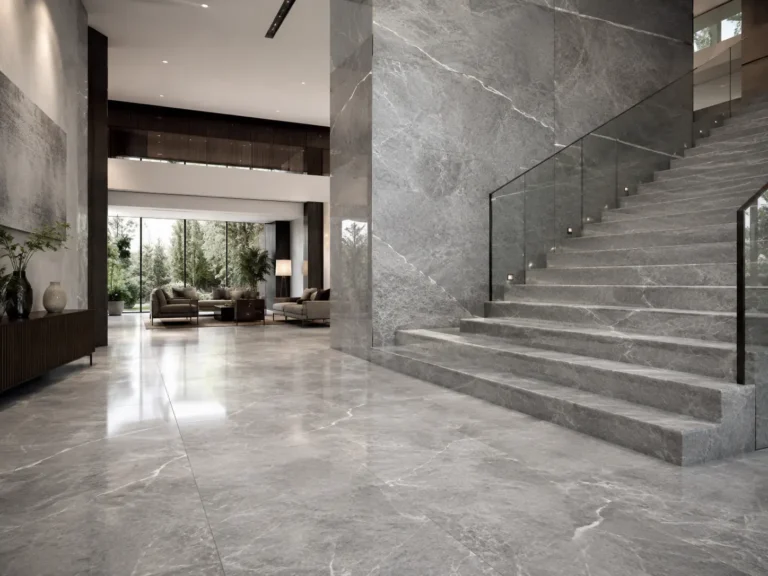
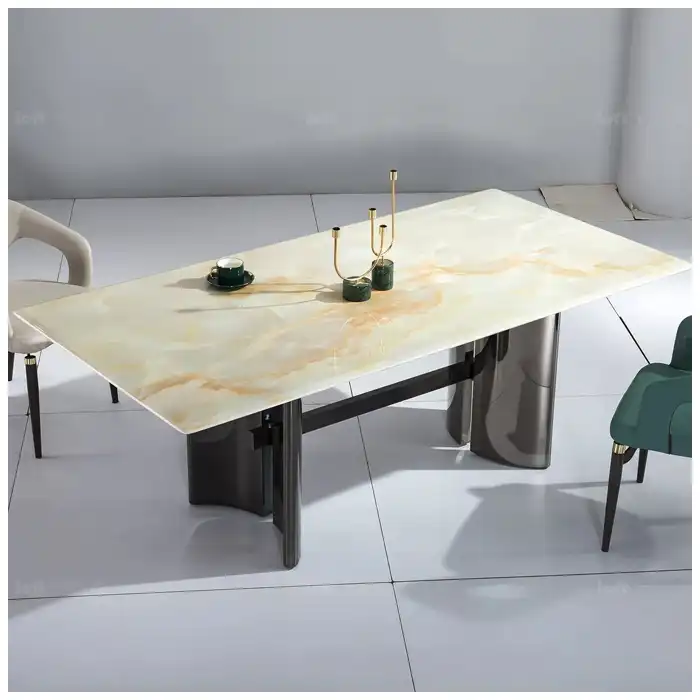
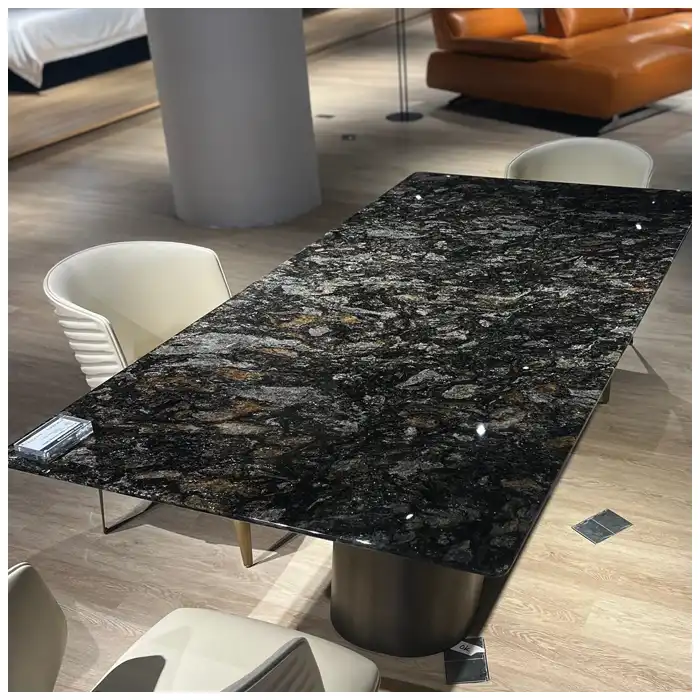
Luxury quartzite full face review asks where the stone can breathe. A wall uses broad movement and viewing distance. An island is read from several sides and needs intentional edge turns. A table is touched close, so crystals, repairs, edge feel, and base relationship become intimate.
について Pink Patagonia Quartzite Slabs can carry pale quartz, rose minerals, and darker fragments. One face may suit a bookmatched wall, another a dining top, and a third a smaller object. The design should follow the face rather than forcing every slab into the same cut list.

I place the room elevation or furniture outline on the image. Openings, joints, edges, overhangs, support, and viewing axes become visible. That overlay shows whether the strongest mineral event belongs at the center, near an edge, or outside the final piece.
Finish, Fabrication, and Approval Records
Polish emphasizes crystal depth and reflected light. Honing quiets glare and may soften color. Leathered or textured work can make mineral changes tactile, yet it also changes cleaning and edge behavior. I approve a real finish sample from comparable material before final release.
Quartzite slab lighting must be documented with the chosen finish because the two decisions interact. A slab approved under front light in polished form may read very differently when honed and washed by side light.
I repeat the quartzite slab lighting check after the cut map is placed, because openings and joints can remove the very zones that held the light.
A convincing selection survives more than one viewpoint. I observe the same face from the entrance, the main seating position, and the closest touch point before recording approval.
The selection record includes full-face identity, dimensions, thickness, finish, mineral observations, accepted fissures and repairs, intended application, cut map, light tests, support notes, fabrication questions, and approval date. The least we can do is give it a better record than “green slab approved.”
What to include in a quartzite inquiry
I ask for project type, finished dimensions, quantity, application, viewing distance, preferred color family, desired movement, finish, edge, cutouts, support concept, light direction, destination, and schedule. I also ask whether the team values translucency, sequential faces, a quiet field, or one dramatic mineral event.
Those facts help the supplier present current slabs rather than a random gallery. For a wall, I need usable height and joint logic. For a table, I need top shape, base footprint, overhang, and handling route. For an island, I need every visible edge and waterfall return.
The inquiry does not need poetic language. It needs enough architectural context for the stone’s character to survive fabrication. The supplier must know which visual question the room is asking.
I also state which decisions remain open, so an early slab presentation does not pretend the edge, support, or final lighting has already been approved.
Example: Test the Face Under the Light Used for Approval
Example: a green quartzite can look balanced in diffuse warehouse light while a narrow beam reveals one bright crystalline band and a resin-filled area near the edge. If a table outline is approved only from the diffuse image, the high-contrast band may land beside a cutout or the repair may become the first detail visible from the main seat.
Decision rule: approve the actual face under front, side, and intended room light with the finished outline placed on the image.
Where Quartzite Selection Usually Goes Wrong
Why geology improves design decisions
Knowing that the face is built from interlocking quartz and mineral impurities helps explain why light changes it, why edges retain depth, and why some transitions need fabrication attention. Geological language should clarify observation, not turn the project into a textbook.
What separates depth from pattern
Pattern is visible movement. Depth appears when crystals, translucent zones, and mineral boundaries respond across the material body. View the face and edge from several angles. A manufactured image may repeat a graphic; natural quartzite continues through thickness in ways the eye discovers gradually.
What to do when the delivered face differs from approval
Photograph the complete slab and close difference under controlled light, stop cutting, and compare the label, full-face approval, finish sample, mineral notes, dimensions, and cut map. Contact the supplier with those records before accepting substitution or changing layout.
Frequently Asked Questions
1. What should I look for during exotic quartzite slab selection?
Review identifiable full faces, dimensions, thickness, mineral structure, color balance, translucency, fissures, repairs, finish, edge behavior, project light, viewing distance, cut map, support, and intended application.
2. Why does quartzite look different when light moves?
Interlocking quartz crystals and mineral impurities reflect and transmit light at different depths and angles. Finish, camera exposure, surrounding colors, and viewing direction also change the visual result.
3. Are all fissures in quartzite defects?
No. Natural fissures can be geological features, while processing repairs may also exist. Their acceptability and technical impact depend on location, application, cutting, support, fabrication, and project criteria.
4. Should quartzite be approved from photos?
Photos and slow videos can support remote selection when they show full faces, labels, dimensions, close mineral details, edges, and controlled lighting. Critical projects may still require samples, mock-ups, or direct review.
5. What should we do first if the quartzite received does not match approval?
Photograph the full face, label, dimensions, finish, and close difference under comparable light; stop cutting; then compare the evidence with the approved images, mineral notes, sample, and cut map before contacting the supplier.
Quick-Reference Checklist for Exotic Quartzite Slab Review
- View the identifiable full face at room distance and close mineral distance.
- Test diffuse, side, warm, cool, and transmitted light where relevant.
- Map fissures, repairs, translucent zones, and mineral transitions on the image.
- Place joints, cutouts, edges, and support lines on the actual face.
- Approve a representative finish sample and inspect its light response.
- Record dimensions, identity, application, cut map, observations, and approval date.
Final Conclusion
Exotic quartzite slab selection works when the full face, mineral depth, fissures, repairs, finish, light, and cut placement are judged together. Color names and hardness claims cannot make that decision for the project.
MQ STONE records the slab as an identifiable architectural surface, so the approved mineral composition remains visible after fabrication.
References
- Dimension Stone Design Manual, Natural Stone Institute.
- C616 Standard Specification for Quartz-Based Dimension Stone, ASTM International.
- C503 Standard Specification for Marble Dimension Stone, ASTM International.
- C97 Standard Test Methods for Absorption and Bulk Specific Gravity of Dimension Stone, ASTM International.
- C880 Standard Test Method for Flexural Strength of Dimension Stone, ASTM International.
- Natural Stone: Geological Formation and Mineral Resources, geological survey references.
- Architecture and Interior Material Coverage, Dezeen.
- Search Essentials and Helpful Content Guidance, Google Search Central.