What Global Buyers Really Mean When They Say “Same Marble”
“Can we reorder the same marble again?” the project manager asked, half-joking.
The designer sighed. “Same vibe, yes. Same slab? That’s where the arguments start.”
I replied with the only answer that keeps projects alive: “If you want a reorder that behaves, don’t shop marble like a photo. Shop it like a controlled material system—finish, variation band, testing mindset, and fabrication plan.”
That’s the truth behind why 大理石スラブ get reordered. Global buyers reorder what stays predictable under real-world pressure: lighting changes, wet traffic, seam layouts, cut-to-size tolerances, and shipping realities. If your stone performs consistently, your team sleeps consistently. And in international procurement, sleep is basically a luxury item.
When you want to shorten the decision cycle (and reduce the “sample-to-installation gap”), the fastest path is to align requirements early—application, finish, thickness, and acceptance criteria—via Contact MQ MARBLE.

Why reorders happen: a data-minded view (not just a design taste)
Reorders usually follow a successful first install—meaning the stone delivered the intended look そして met performance expectations without turning into a maintenance nightmare. In procurement terms, reorder winners tend to share three measurable traits:
-
Controlled variation: a realistic shade/vein range is agreed before production, so “natural variation” doesn’t become a dispute.
-
Finish discipline: polishing/honing consistency is stable, which matters because reflection and surface feel reveal defects quickly.
-
Application-fit behavior: the stone is specified with a testing mindset (absorption, density, slip considerations, and mechanical expectations) rather than hope.
Industry standards like ASTM-style testing frameworks are commonly used across stone supply chains to guide expectations—especially for absorption/density and material performance. Even if you’re not running every test on every batch, using the language of standards creates a shared “contract of reality” between buyer, fabricator, and installer.
If you want to understand how MQ MARBLE frames its supply capability, project logic, and material scope for global buyers, the cleanest background is About MQ MARBLE.
The reorder formula: the 6 checks buyers use before they reorder
1) Application-first selection (not color-first)
Buyers who reorder often start with “where will it live?” then pick a stone that fits the stress level:
-
Lobby walls and feature panels behave differently from kitchen countertops.
-
Bathroom floors have different risk than bathroom walls.
-
Stairs punish weak edge planning.
2) Finish is a performance decision
Polished surfaces can look incredible but require smarter use in wet/high-traffic environments. Honed or textured finishes are often preferred when slip and daily wear become issues. The point isn’t “polished bad,” it’s “polished must be placed correctly.”
3) Absorption and staining risk are procurement issues, not cleaning issues
Marble can be sensitive to acids and staining agents. A reorder-friendly project typically includes:
-
sealing strategy aligned to usage
-
cleaning protocol communicated to end user
-
material expectation aligned to actual behavior
4) Layout controls: seams, bookmatch, directionality
Most disputes happen because layout planning is treated as an afterthought. Reorder programs tend to standardize:
-
seam placement rules
-
vein direction rules
-
bookmatch approval process
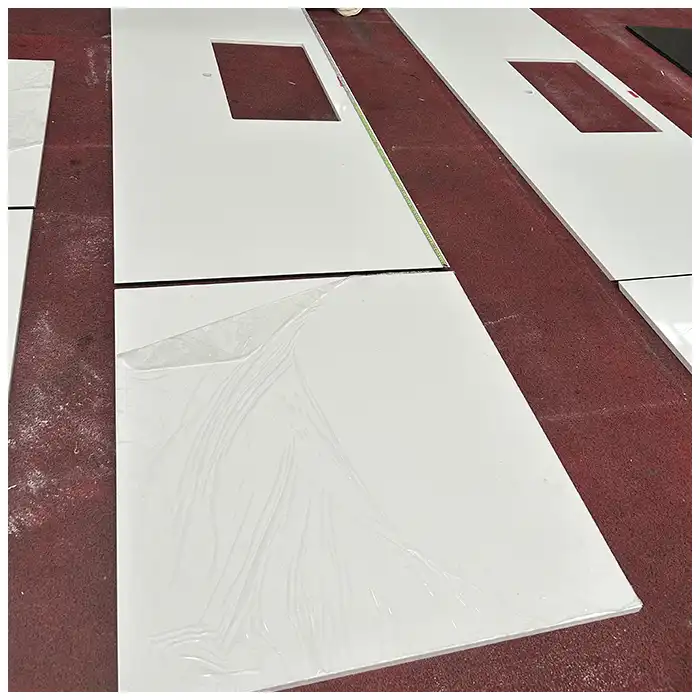
5) Tolerance discipline in cut-to-size fabrication
If your supply chain repeats clean edges, consistent thickness, and stable finishing, reorders become easy—especially for multi-site brands.
6) Packing and shipping realism
A flawless slab that arrives chipped is still a failure. Reorder buyers favor suppliers who pack like they’ve seen ports before.
For buyers who want to browse the full scope of marble choices before narrowing into tones, start with 大理石.
Top 10 Best-Selling Marble Slabs
This list is organized by what procurement teams reorder most often: families that cover large project areas reliably and can be repeated across phases, buildings, or franchise locations.
-
White statement marbles (Calacatta-style)
-
White classic marbles (Carrara-style)
-
Beige/cream warm neutrals
-
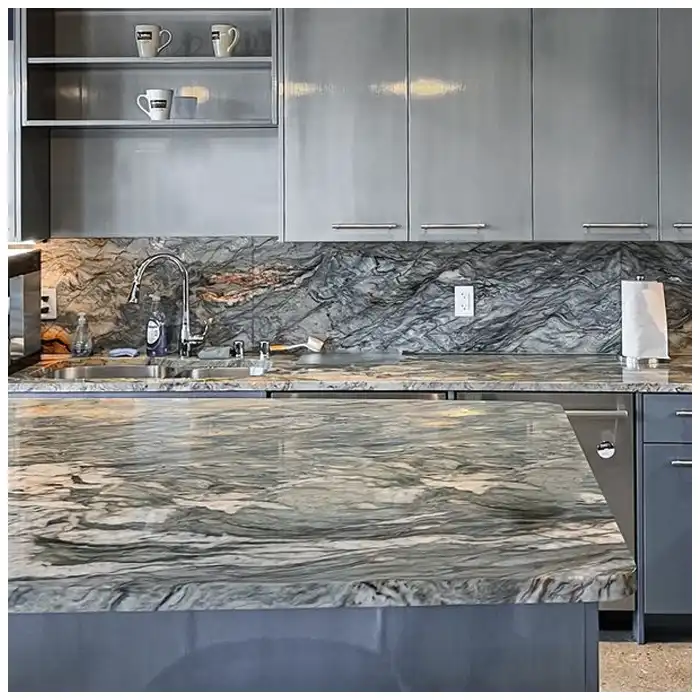
Grey modern neutrals
-
Black statement marbles
-
Blue feature marbles
-
Brown heritage marbles
-
Gold-accent marbles
-
Green biophilic marbles
-
Accent families: pink/red/wood-grain looks
If you’re comparing “global sourcing flexibility” vs “local quarry availability,” many buyers also shortlist by origin and supply stability. That’s why チャイナ・マーブル becomes a practical filter for projects needing repeatable ordering across timelines.
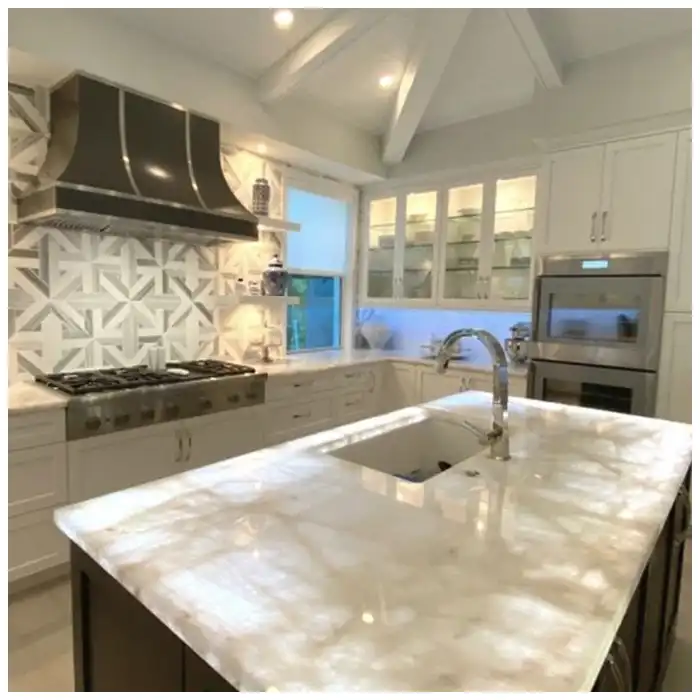
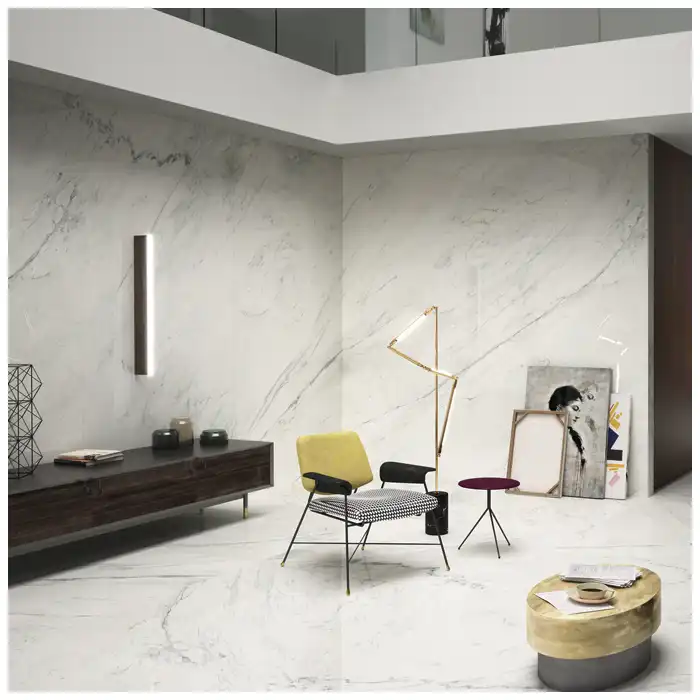
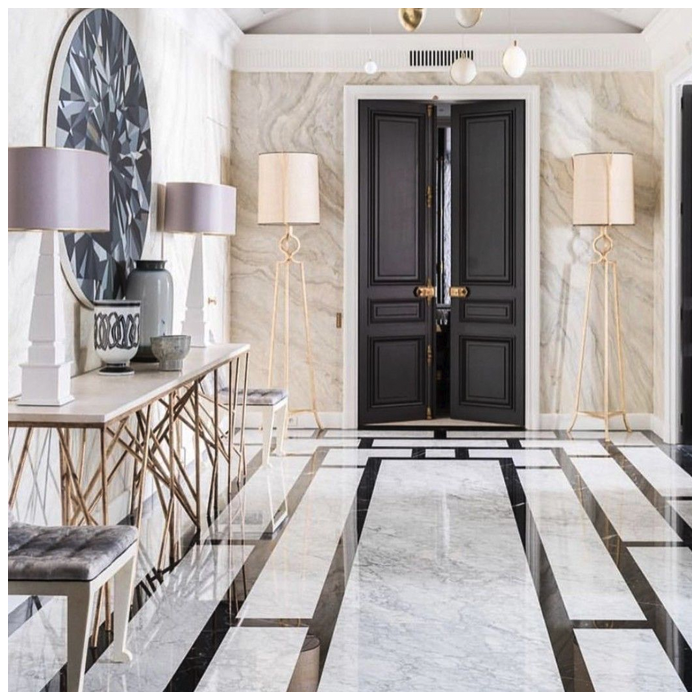
1) White marbles: the reorder engine of premium interiors
White marble sells the dream: clean luxury, bright reflections, and an instantly upscale atmosphere. But reorders only happen when white marble is controlled like a system, because white shows everything:
-
subtle shade shifts
-
resin lines
-
polishing differences
-
seam decisions
-
lighting changes
Reorder buyers do two smart things with whites:
-
They approve a range, not a single hero sample.
-
They match the white family to the application: bold veining for feature areas, calmer veining for broad coverage.
If your project is driven by white aesthetics—lobby walls, signature vanities, stair cladding—build your shortlist through ホワイトマーブル and specify finish and veining density as your first two filters.
2) Beige marbles: the “low-argument” choice that quietly wins projects
Beige marble is reordered for one reason: it reduces conflict. It’s warm, forgiving, and looks expensive without being fragile on camera. In hotels and villas, beige often becomes the backbone material because it can unify floors, walls, and public areas while still feeling premium.
From a practical perspective, beige tones:
-
hide minor dust and small visual noise better than pure whites
-
pair naturally with wood, brass, bronze, and warm lighting
-
tolerate small shade differences without looking “wrong”
This is why beige families are frequently specified in multi-area packages (floors + walls + stairs), where consistency matters across a larger volume of stone.
To build a beige shortlist the “procurement-friendly” way, use ベージュ・マーブル and decide early whether you want a creamy uniform look or a lightly patterned character.
3) Grey marbles: modern minimalism’s most reorderable neutral
Grey marble is the architect’s secret weapon because it’s calm, modern, and extremely compatible with contemporary materials: matte black hardware, brushed steel, microcement, and warm woods. Reorders happen because grey works in both residential and commercial spaces without forcing a single “style.”
Grey is also a lighting chameleon. In daylight it can feel airy; in warm interior lighting it can feel soft and premium. That makes it a strong choice for:
-
modern apartments
-
hotel corridors and bathrooms
-
commercial lobbies where lighting changes hourly
If you want reliable modern tone families, build the shortlist via グレー・マーブル and treat undertone (warm vs cool) as a specification line item, not a moodboard guess.

4) Black marbles: the statement material that becomes a brand signature
Black marble is rarely used “everywhere.” It’s used where identity matters:
-
reception feature walls
-
fireplace surrounds
-
bar fronts
-
signature vanity walls
-
boutique retail backdrops
Black is reorderable because once a brand chooses a black marble identity, they want to replicate it across locations. But black also exposes finishing issues fast. Reflection reveals polishing differences; edges reveal fabrication discipline; seams reveal layout planning quality.
Reorder buyers do one thing exceptionally well with black marble: they standardize finishing and edge rules so every future location looks like the same DNA.
To shortlist black families with a project mindset, use ブラックマーブル and specify whether the stone is intended for vertical impact, countertop surfaces, or detail panels.
5) Blue marbles: when buyers reorder a “signature story”
Blue marble is a designer’s “moment.” It’s not chosen for background coverage; it’s chosen for memorability. Reorders happen after the first project succeeds because replacing that exact blue identity is hard.
Blue families are commonly specified for:
-
feature walls behind reception desks
-
spa and wellness zones
-
statement bathroom walls with curated lighting
Blue also demands a more disciplined approval process:
-
more photo approvals
-
more layout planning
-
more bookmatch checks if the design intends symmetry
To explore blue statement options the professional way, build your shortlist via ブルーマーブル and treat lighting mockups as part of procurement, not “later.”
6) Brown marbles: heritage luxury that rarely goes out of style
Brown marble is the grown-up suit of the stone world. It feels established and rich, and it’s forgiving. Minor variation often reads as “natural depth,” not “inconsistency.” That’s why brown families are reorder favorites in:
-
executive washrooms
-
elevator lobbies
-
classic wall cladding
-
hospitality interiors aiming for warmth
From a practical standpoint, brown tones reduce the visual risk of seams and minor shade differences, which makes multi-batch projects smoother.
To shortlist brown families for classic luxury scopes, use ブラウン・マーブル and lock in finish consistency early—polished reflection can magnify inconsistencies if not controlled.
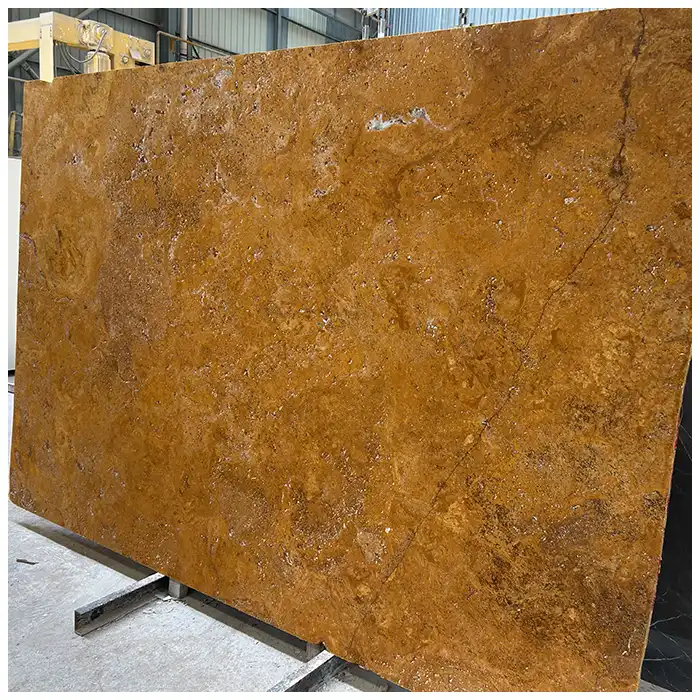
7) Gold marbles: high-impact accents that justify premium zones
Gold-accent marbles (or marbles with gold veining) are often used strategically:
-
VIP lounge feature walls
-
penthouse vanity backdrops
-
decorative panels that anchor a space
Reorders happen when developers want consistent “wow zones” across multiple projects. The “gold temperature” matters—some golds read warmer and more classic; others read brighter and more contemporary.
For a gold-accent shortlist built around statement value, start from ゴールド・マーブル and define whether the gold tone should lean warm (classic luxury) or cool (modern contrast).
|
|
|

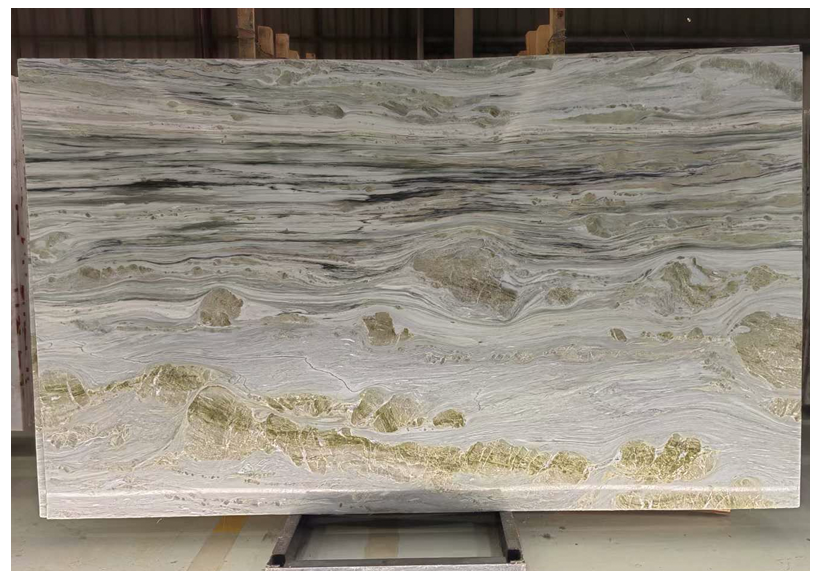
8) Green marbles: biophilic luxury that photographs like a brand asset
Green marble is riding the biophilic and wellness design wave. It doesn’t just decorate; it signals “nature” and “luxury” at the same time, which is why it’s popular in:
-
boutique hotels
-
spa and wellness spaces
-
statement powder rooms
-
brand-forward commercial interiors
The reorder challenge with green is pattern variability. Buyers who reorder green families typically do this:
-
approve a pattern band (not a single sample)
-
specify where high-contrast sections can or cannot be used
-
standardize bookmatch rules if symmetry is desired
To shortlist green families with fewer surprises, go through グリーンマーブル and treat pattern density as a measurable spec, not a vibe.
9) Pink marbles: boutique personality without turning childish
Pink marble is back, and not in a “cute” way. In the right tone, it becomes boutique and fashion-forward:
-
premium retail
-
hospitality bars
-
signature vanity walls
-
statement corners designed for photos
Pink gets reordered when a brand finds a shade that reads sophisticated and consistent. In these applications, details matter:
-
edge finishing quality
-
surface uniformity
-
how it pairs with warm lighting and metals
To shortlist pink families in a controlled way, use ピンクマーブル and define whether you want muted elegance or higher-saturation drama.
10) Red marbles: controlled drama for landmark moments
Red marble is a “use it with purpose” material. It works best when it’s intentional:
-
medallions and feature inserts
-
heritage-inspired interiors
-
boutique identity walls
Reorders happen when projects need continuity with an established design language, especially across multiple phases or restoration-inspired developments.
If you’re seeking a red family that feels premium rather than loud, shortlist through レッド・マーブル and request consistent tone control and pre-approval photos before production.
Bonus reorder family: wood-grain marble (warmth like wood, behavior like stone)
Wood-grain marble solves a real contradiction: clients want the warmth of timber but worry about humidity, warping, and long-term wear. Wood-grain stone keeps the visual warmth while behaving like a mineral surface.
It’s commonly specified for:
-
hotel corridors
-
spa-style floors (with application-appropriate finishes)
-
wall cladding where real wood would be too delicate
Directionality is the “fatal detail” here. Wood-grain patterns must be aligned, or the space looks chaotic. Reorder programs standardize installation direction and layout rules.
To explore wood-grain options with a project mindset, use 木目大理石 and decide layout direction before you approve production.
The “pain point → solution” playbook
Here are the most common procurement pain points that kill repeat business—and how serious buyers solve them:
Pain point 1: “The installed slabs don’t look like the sample.”
Solution: Approve a realistic sample set and define an acceptable variation band. Specify where high-contrast areas are allowed (feature walls) and where they are not (large continuous floors).
Pain point 2: “Slippery complaints after opening.”
Solution: Treat finish as a safety decision. Use honed/textured finishes for wet/high-traffic floors and reserve polished finishes for walls or controlled zones.
Pain point 3: “Seams look ugly in real life.”
Solution: Make seam planning part of design approval. Define seam placement rules and veining direction rules. Do mock layouts for large countertops and lobby walls.
Pain point 4: “Edges and thickness aren’t consistent.”
Solution: Standardize tolerance expectations for cut-to-size fabrication and include a QC checklist before crating.
Pain point 5: “Shipping damage ruins the timeline.”
Solution: Confirm packing standards and handling instructions before shipment. The best reorder suppliers pack like they’ve seen rough ports.
If you’re building a full project package and need a structured conversation that includes application, finish, thickness, and delivery planning, MQ MARBLE’s team typically routes that through the Contact MQ MARBLE channel already referenced above—keep your request specific and you’ll save rounds of back-and-forth.
A quick industry nod
Across the stone supply ecosystem, there’s growing attention on professionalism: documentation discipline, safety awareness in fabrication environments, and clearer accountability between supplier and installer. In that context, brands that present themselves with structured categories, project logic, and clearer buyer-facing communication tend to be preferred by global procurement teams—because clarity reduces risk.
That’s exactly why a site structure that lets buyers move from general category to origin to color families (and then into a project conversation) is not “just marketing.” It’s operational efficiency wearing a nice suit.

よくあるご質問
1) What makes marble slabs “best-selling” in global projects?
Best-selling usually means reorderable: controlled variation, consistent finishing, application-fit performance, and predictable fabrication outcomes. The prettiest slab isn’t always the best-selling one—the most reorderable one is.
2) Are marble slabs suitable for high-traffic hotel floors?
They can be, but application-fit finishing matters. Many projects prefer honed or textured finishes for wet or heavy-traffic areas to reduce slip risk and improve daily maintenance stability.
3) How do buyers reduce disputes when ordering marble slabs internationally?
They define acceptance criteria early: finish, thickness tolerance, variation band, layout rules, and packing standards. They approve a range of samples (not a single hero piece) and treat seam planning as part of design.
4) Which marble colors are easiest to reorder consistently?
Neutral families like beige and many greys are often easier to manage because they’re visually forgiving. Whites and greens can be reordered successfully too, but typically require tighter variation control and more approvals.
5) What should I prepare before contacting a marble slab supplier?
Prepare your application (floor/wall/countertop/stair), finish preference, thickness, target quantity, slab size expectations, bookmatch needs, delivery port, and your tolerance for natural variation. That information shortens the path from inquiry to proforma-ready quotation.
The reorder truth that saves projects
The meeting ends the same way it started: you want less uncertainty. Global buyers keep reordering 大理石スラブ when the stone behaves like a reliable system—not a surprise. Reorders are earned by suppliers and buyers who treat marble as both a design element and a controlled construction material: finish discipline, variation boundaries, layout rules, and shipping realism.
If your goal is “the same look, the same performance, the same rhythm,” then choose your slab family with a project mindset—and make your approvals and expectations as repeatable as your design.