Why “Same Grey Marble” Is Harder Than It Sounds — The Control Checklist Buyers Need
“Can we make the grey marble look exactly like this sample?” the designer asked, holding up a photo on her phone.
The contractor didn’t even blink. “Sure—until the lobby lights hit it, the cleaning team uses the wrong product, and the seams land where nobody planned.”
I paused and said the part buyers rarely hear: “Grey marble is easy to love. It’s harder to control. The winners aren’t the prettiest slabs—they’re the ones you can specify, fabricate, and maintain without surprises.”
That’s why global teams keep choosing 회색 대리석: it’s modern, calm, and premium—but it also behaves like a real stone, not a printed pattern. If you want grey marble to stay elegant from showroom to site to daily use, this guide will walk you through color matching, finish selection, and maintenance decisions—plus the “fatal details” that cause disputes.
To see how MQ MARBLE organizes stone choices and project workflows for global buyers, start at MQ Marble.

Why grey marble keeps trending
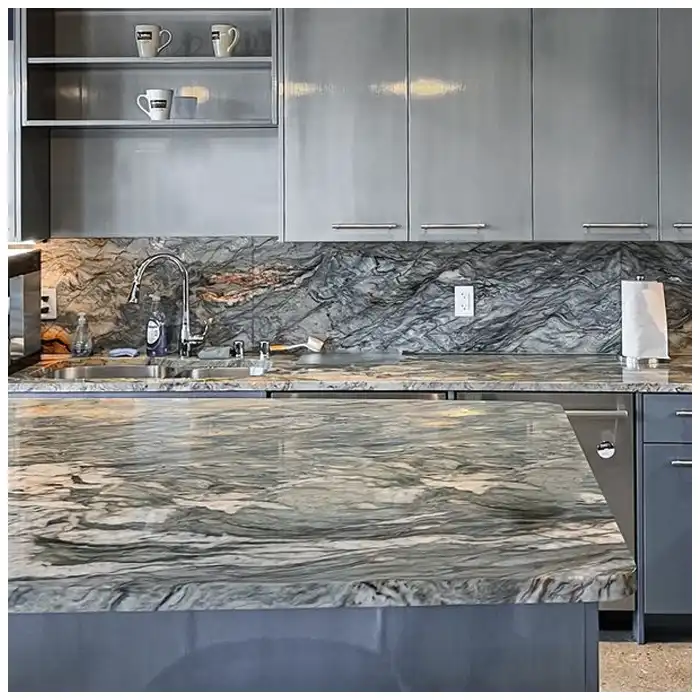
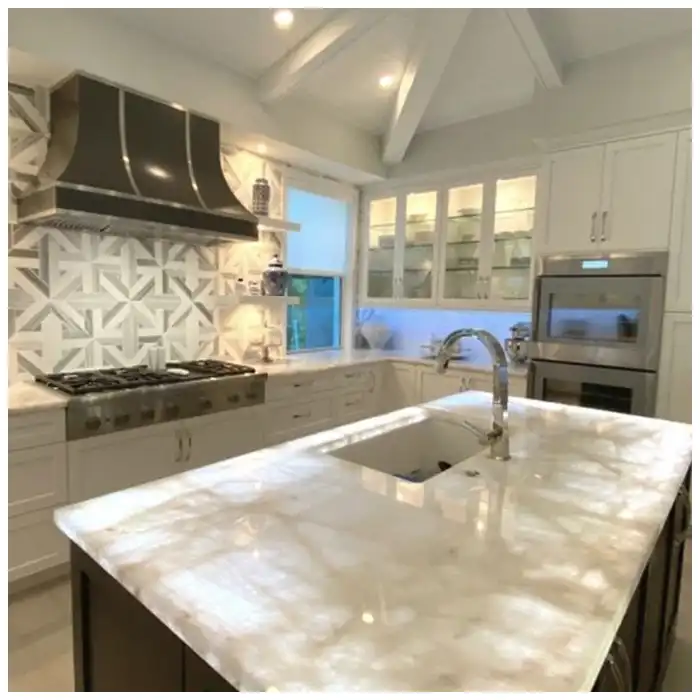
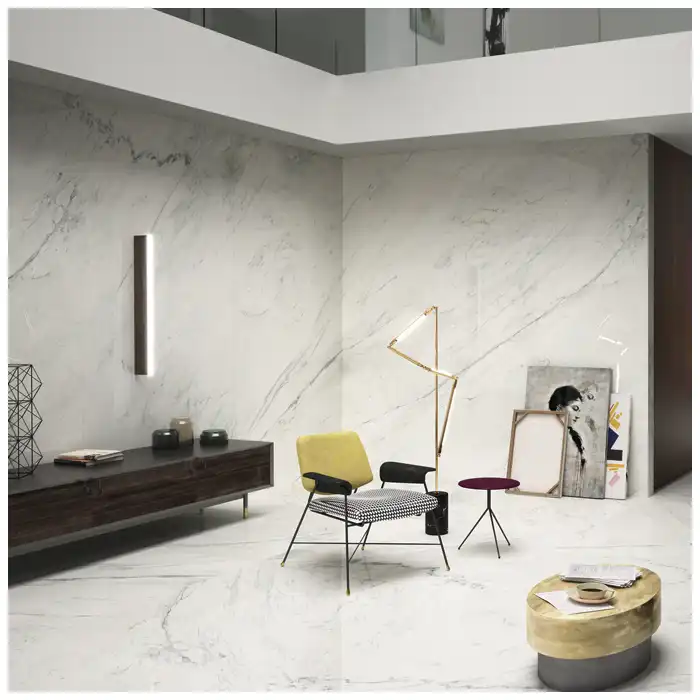
Grey marble has become a default “safe luxury” for modern interiors because it plays well with almost everything: matte black fixtures, brushed steel, warm woods, microcement, and neutral textiles. Designers love it because it looks refined without shouting. Procurement teams love it because grey can unify large areas—floors, walls, bathrooms, corridors—without needing multiple materials.
But here’s the data-driven contrast:
Grey marble’s appeal is visual stability; its risk is visual sensitivity. Under different lighting temperatures (warm hotel lighting vs cool daylight), the same slab can read either:
-
calm and misty, or
-
cold and blue, or
-
muddy and brown, depending on undertone and veining density.
That’s why many “grey marble problems” are not stone problems—they’re spec problems: undertone not defined, finish not matched to use, and maintenance assumptions not documented.
If you want a fast decision cycle (and fewer “it looked different on site” emails), align application, finish, and approval rules early by reaching Contact MQ Marble.
The “fatal detail” in grey marble: undertone, not veining
Most people talk about veining. Professionals talk about undertone.
Undertone types you must name in your spec
-
Cool grey (can read bluish in daylight)
-
Warm grey (can lean taupe/beige under warm lighting)
-
Neutral grey (the most “stable” across mixed lighting)
If you don’t define undertone, you can’t control outcomes. Two slabs can both be “grey” and still look like different materials in the same room.
Quick color-matching framework (works in real projects)
Use this three-step approach:
-
Step 1: Match grey undertone to the space temperature
-
Warm lighting + warm wood → warm or neutral grey
-
Cool daylight + glass/steel → neutral or cool grey
-
-
Step 2: Decide how much veining you can tolerate
-
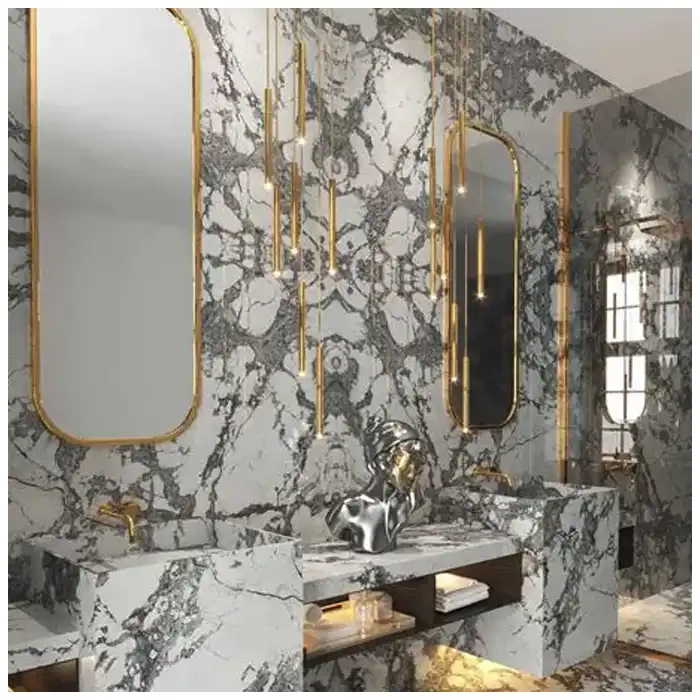
High veining = more visual drama, more seam planning pressure
-
Low veining = calmer walls/floors, easier for large coverage
-
-
Step 3: Choose one “anchor finish” for the main area
-
Then use a complementary finish only where it serves a function (e.g., honed on floors, polished on walls)
-
To browse overall options before locking into grey, start with 대리석 석판 and shortlist by application first.
Finishes explained: polished vs honed vs brushed
Grey marble is especially sensitive to finish because finish affects both appearance 그리고 behavior. Here’s how professional teams choose:
폴리싱 처리된 회색 대리석
Polished surfaces amplify:
-
depth of color
-
contrast in veining
-
reflections (and therefore, visible imperfections)
Best uses:
-
feature walls, fireplace surrounds, reception backdrops
-
low-contact areas where daily wear is controlled
What to watch:
-
reflections can magnify seam mistakes
-
etching and micro-scratches can become visible under directional lighting
Honed grey marble
Honed finishes reduce glare and feel modern and calm.
Best uses:
-
hotel floors, corridors, bathrooms (with good specification)
-
large residential areas where glare and fingerprints matter
What to watch:
-
honed surfaces can show oil marks if cleaning is inconsistent
-
sealing and daily cleaning discipline matter more than people expect
Brushed / leathered grey marble
This finish can hide small wear and fingerprints and adds tactile value.
Best uses:
-
high-touch zones where “perfect shine” is not the goal
-
design-forward spaces that want texture without visual noise
What to watch:
-
texture can hold dirt if cleaning tools are wrong
-
choose cleaning protocols that match the micro-texture
The right finish is not a design trend—it’s a risk decision. Grey marble becomes “reorderable” when finish is matched to traffic and cleaning reality.
To see grey-specific material options curated by tone family, go to 회색 대리석.

Daily maintenance: what keeps grey marble looking premium
If you want grey marble to stay elegant, the daily routine matters more than the monthly deep clean. Here’s the maintenance logic that actually holds up:
What daily care should look like
-
Dry dust mop or vacuum (soft brush head) to remove grit
-
Damp mop with a pH-neutral cleaner designed for stone
-
Wipe spills quickly, especially acidic liquids (citrus, wine, vinegar)
-
Avoid “multi-surface” cleaners unless they are explicitly stone-safe
What ruins grey marble faster than people admit
-
Wrong chemicals (acidic or harsh alkaline cleaners)
-
Abrasive pads that micro-scratch the surface
-
No-entry mats in commercial settings (sand is a silent destroyer)
-
Unplanned maintenance—when nobody owns the routine, the stone pays the price
A practical sealing mindset
Sealing is not a magic shield; it’s a time buffer. It gives the cleaning team a better chance to remove spills before they become stains. For hospitality and commercial projects, sealing strategy should be planned as part of handover—not as a surprise after complaints.
Pain points and solutions: how to stop disputes before they start
Grey marble disputes are almost always predictable. Here are the big ones, and how global buyers prevent them.
Pain point 1: “It looked warmer in the sample, colder on site.”
Solution: Approve slabs under similar lighting conditions or require reference photos in mixed lighting. Define undertone in writing: warm, neutral, or cool grey.
Pain point 2: “Seams are more visible than expected.”
Solution: Treat seam planning as part of design approval. Use:
-
numbered layout drawings
-
vein direction rules
-
seam placement rules for large slabs and long corridors
Pain point 3: “Floor looks dull or shows traffic quickly.”
Solution: Choose finish based on traffic reality. Honed and brushed finishes often outperform polished floors in daily hotel use because they reduce glare and hide micro-wear.
Pain point 4: “Maintenance team used the wrong products.”
Solution: Deliver a one-page stone care SOP at handover. If you don’t write the rule, someone will write their own—and it will be the wrong one.
If you want MQ MARBLE to help translate design intent into a fabrication- and maintenance-ready plan, the simplest move is to share your application + finish + target tone via Contact MQ Marble.

자주 묻는 질문
1) Does grey marble stain easily?
Grey marble can stain if spills are left too long or if the stone is not sealed appropriately for the application. The best prevention is a realistic sealing plan and a daily routine using stone-safe, pH-neutral cleaners.
2) Is honed grey marble better than polished for floors?
Often yes for high-traffic or wet-adjacent floors because honed finishes reduce glare and can feel more stable in daily use. Polished finishes are typically better reserved for walls and controlled zones where reflections are part of the design.
3) What colors match best with grey marble?
Grey marble pairs well with warm woods, matte black, brushed stainless, champagne/gold metals, soft whites, and neutral textiles. The key is matching undertones: warm greys love warm materials, cool greys look best with crisp whites and steel.
4) How do I stop grey marble from looking “cold” in a room?
Choose warm or neutral grey undertones, use warmer lighting temperatures, and pair the stone with warm woods, beige textiles, and brass/champagne metals. Also avoid overly blue-white lighting in living areas.
5) What should I ask a supplier before ordering grey marble slabs?
Ask for undertone confirmation (warm/neutral/cool), finish samples, realistic variation range photos, recommended applications, and guidance on seam/layout planning. If the project is large, request approval photos for multiple slabs, not a single hero piece.
“same grey marble” is real—if you control the variables
At the start of this article, the contractor warned that the arguments begin when “same vibe” turns into “different reality.” That’s the grey marble truth: 회색 대리석 is easy to love and easy to mis-specify.
If you define undertone, choose finish based on traffic and cleaning reality, document maintenance expectations, and plan seams and layouts early, grey marble becomes repeatable—something global buyers can reorder with confidence.
And that’s the ultimate buying guide takeaway: don’t shop grey marble like a photo. Shop it like a controlled material system—because the projects that win aren’t the ones with the prettiest sample. They’re the ones that still look premium after day 300 of real use.