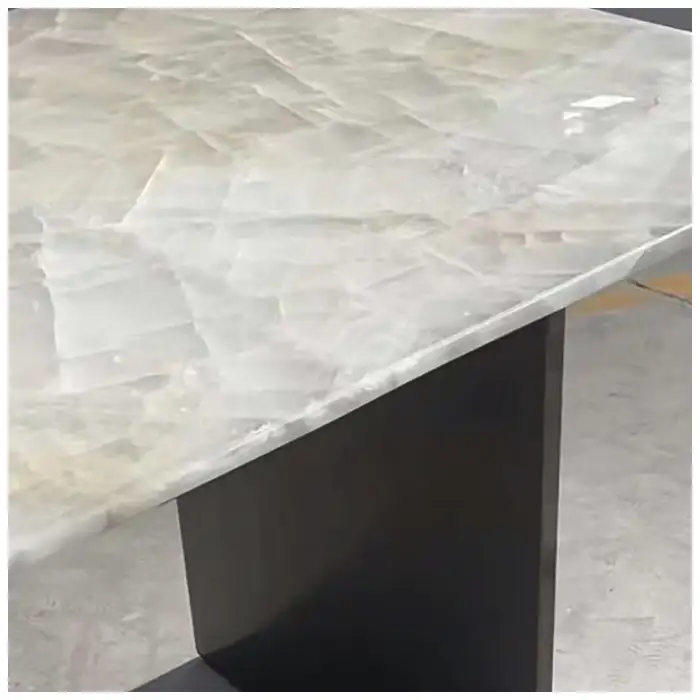
Quick Summary: Moca Creme Limestone for Facades, Floors, Walls, and Building Projects
Moca Creme Limestone is a Portuguese beige limestone known for its calm cream tone, fine-to-medium grain, and subtle parallel movement. Current MQ STONE references include 30×60cm to 60×120cm tile formats, 18/20/30mm thicknesses, and honed, polished, brushed, or leathered finishes for facade panels, floors, walls, lobbies, corridors, stairs, villas, hotels, and commercial buildings. MQ STONE supports project-specific tile and panel sizes, cut-to-size fabrication, surface finishing, finished-piece inspection, project coding, and reinforced export packing for architectural limestone supply.

Moca Creme Limestone for Building Facades, Hotel Entrances, and Commercial Architecture
Moca Creme has become closely associated with architectural cladding because its beige tone remains visually restrained across large elevations while the fine parallel movement gives the facade more depth than a completely uniform stone.
Commercial buildings, hotel entrances, villas, apartment developments, offices, churches, retail projects, and other facade packages can use the material as rectangular panels, long-format cladding pieces, sill elements, paving modules, and drawing-based architectural components. Panel dimensions and surface treatment should be selected together with the actual fixing and facade system.
Selecting Moca Cream Limestone for Facade Panels, Floors, and Interior Walls
Parallel Vein Direction
Moca Creme can show a noticeable linear direction, especially in vein-cut material. For long facade elevations, lobby walls, corridors, or stair pieces, confirm whether the movement should run horizontally, vertically, or follow a specific architectural grid.
Beige Tone Range
Natural batches can vary from light cream and ivory-beige to slightly warmer beige areas. Large facade or flooring packages should be selected from an approved visual range so highly visible elevations remain coordinated.
Finish Selection
Honed Moca Creme has a low-glare architectural finish suitable for many floor and wall applications. Brushed or leathered surfaces create more texture, while polished material increases reflection and colour depth. Exterior finish selection should also consider exposure, maintenance, fixing method, and project-specific slip requirements where relevant.


Moca Creme Limestone Panels, Floor Tiles, Wall Cladding, and Cut-to-Size Pieces
MQ STONE processes Moca Creme Limestone into facade panels, interior wall pieces, floor tiles, paving modules, stair components, thresholds, window sills, skirting, wall caps, and other custom architectural elements according to project drawings.
Product scale changes the way the material reads. Large facade panels preserve longer sections of the parallel movement, while smaller floor tiles divide the pattern into shorter repeated modules. Long sill, stair, or wall pieces can use the linear direction to reinforce the geometry of the building.
For projects combining exterior cladding with interior flooring or wall panels, dimensions and finish can change between zones while the same limestone family maintains a consistent warm neutral palette.
Moca Creme Limestone Tile Sizes, Thicknesses, Finishes, and Product Forms
| Product Name | Moca Creme Limestone |
| Material | Moca Creme Limestone / Moca Cream Limestone |
| Origin | Portugal |
| Visual Character | Cream to beige background with fine-to-medium grain and subtle parallel natural movement |
| Current Tile Reference | 30×60cm, 60×60cm, 80×80cm, 100×100cm, 60×120cm, or customized |
| Thickness | 18mm, 20mm, 30mm |
| Surface Finish | Honed, polished, brushed, leathered |
| Product Forms | Facade panels, floor tiles, wall tiles, wall cladding, paving pieces, stairs, sills, skirting, caps, and custom architectural components |
| Main Applications | Commercial facades, hotels, villas, apartments, offices, lobbies, corridors, interior floors, wall panels, and architectural stone projects |
Moca Creme Limestone Physical & Mechanical Properties
Material-specific Moca Creme Limestone properties provide a technical reference when reviewing facade cladding, flooring, wall panels, stairs, and other architectural applications.
| Apparent Density | 2,480 kg/m³ — EN 1936 |
| Open Porosity | 6.9% vol. — EN 1936 |
| Water Absorption | 3.1% by weight — EN 13755 |
| Uniaxial Compressive Strength | 135 MPa — EN 1926 |
| Flexural Strength | 14.9 MPa — EN 12372 |
Natural limestone performance can vary by quarry section, block, cut direction, specimen, and test condition. Projects requiring formal compliance should confirm the applicable current material report, facade standard, and specified test requirements before final approval.
Moca Creme Limestone Facade Panels for Anchored Cladding and Cut-to-Size Architecture
Exterior wall panels should be fabricated from the approved facade drawings rather than from nominal panel sizes alone. Finished width and height, thickness, anchor position, kerfs or fixing points, joint width, corner conditions, sill interfaces, openings, copings, flashings, and drainage details all affect the cutting schedule.
Panel thickness and fixing design should be established by the project facade system, engineering requirements, panel dimensions, support structure, local wind load, building height, substrate, and applicable code rather than by one universal limestone rule.
Interior flooring and wall packages can use the same material with different finishes or dimensions. Lobby floors, corridors, stairs, reception walls, and elevator areas can be coordinated by zone while keeping the overall Moca Creme colour family consistent.
Finished pieces should be checked for dimensions, thickness, surface finish, edge condition, vein direction, visible face, anchor or fabrication details, and project identification before packing.

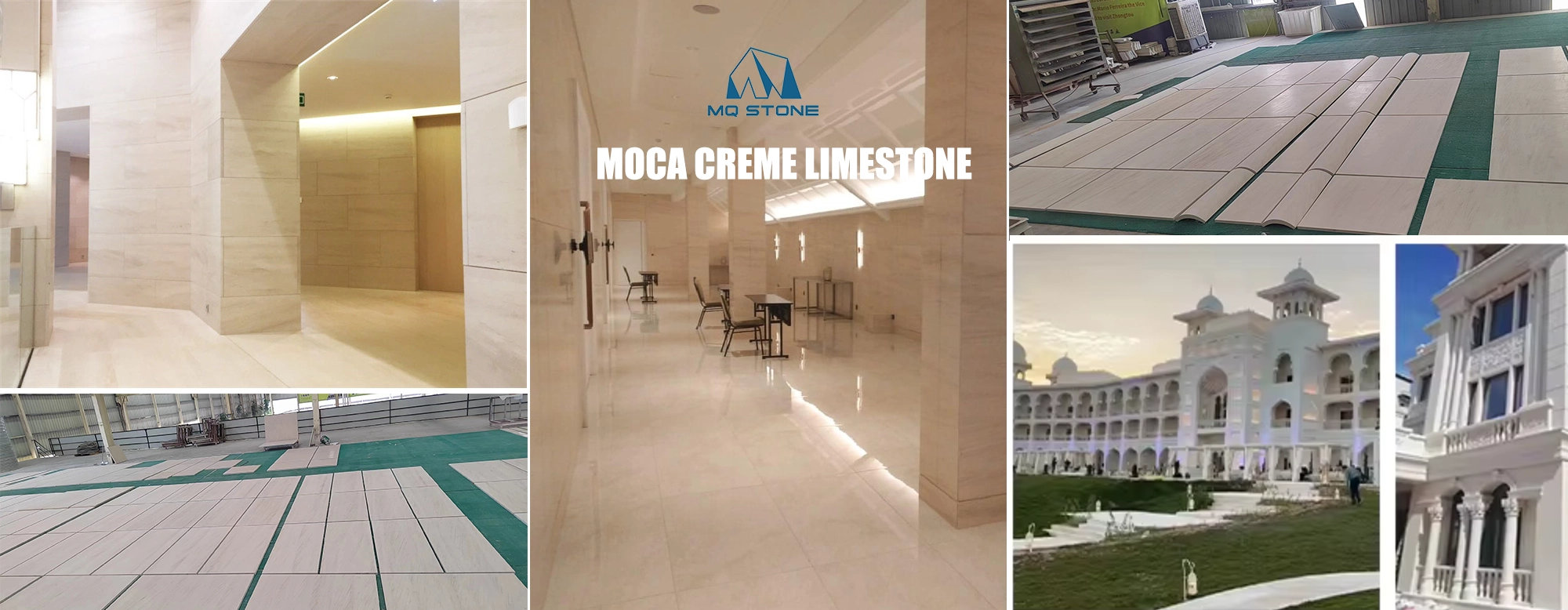
Moca Creme Limestone for Hotels, Villas, Offices, and Commercial Building Projects
Building Facades
Exterior panels can be fabricated for commercial buildings, villas, apartment developments, hotel entrances, offices, churches, and other architectural elevations. Panel size, fixing, joints, drainage, finish, exposure, and local facade requirements should be resolved before production.
Hotel Lobbies and Public Areas
Honed floor tiles, reception walls, lift areas, corridors, stairs, and other public-space surfaces can use Moca Creme where designers want a warm neutral stone with less visual contrast than strongly veined marble.
Villas and Residential Developments
Facades, entrance paving, interior floors, wall cladding, stairs, window sills, garden walls, and selected architectural details can be coordinated in one beige limestone palette.
Offices, Retail, and Commercial Interiors
Lobby flooring, corridor walls, reception zones, retail surfaces, feature panels, stairs, and exterior cladding can be supplied as coordinated tile, panel, and cut-to-size packages for commercial fit-out and real estate projects.
Moca Creme Limestone Compared with Other Limestone Tile Options
| Material | Visual / Product Direction | Project Direction |
| Moca Creme Limestone | Warm cream-beige Portuguese limestone with fine-to-medium grain and subtle parallel movement. | Building facades, hotels, villas, commercial walls, floors, corridors, stairs, paving, and custom architectural panels. |
| Fossilito Beige Limestone Tiles | Creamy beige limestone with visible natural fossil markings and a more organic surface texture. | Hotel bathrooms, villa floors, spa interiors, resort walls, lobbies, patios, and projects where visible fossil character is preferred. |
| White Pearl Lymra Limestone Tiles | Light limestone tile direction for brighter architectural floor and facade packages. | Facade panels, villas, hotel walls, floors, exterior elevations, and light-coloured commercial architecture. |
| White Lymra Limestone Tiles | Creamy off-white Turkish limestone with a relatively uniform and lighter overall appearance. | Interior floors, building facades, wall cladding, hotel lobbies, villas, churches, and architectural stone packages. |
| Ferazzino Beige Limestone Tiles | Warm beige limestone with natural fossil and mineral variation and a more traditional architectural character. | Floors, wall cladding, villas, farmhouses, malls, spas, airports, facades, and commercial projects. |
MQ STONE Facade Panel Cutting, Limestone QC, and Export Packing
Moca Creme inspection should begin with the approved beige range, grain, parallel movement, finish, panel or tile dimensions, thickness, edge condition, and the pieces intended to appear together on one facade or interior elevation.
Facade panels, floor tiles, stair pieces, sills, wall caps, skirting, and other cut-to-size components should then be checked against project drawings for finished size, thickness, visible face, vein direction, fixing or fabrication details, joint interfaces, and piece identification.
MQ STONE supports custom limestone cutting, surface finishing, finished-piece inspection, project labels, installation-zone coding, reinforced wooden-crate packing, and export preparation for commercial facade, hospitality, residential, and architectural stone projects.
Order Execution Risks for Moca Creme Limestone
- Approving only one small beige sample can hide changes in vein density, grain, fossil content, and background tone across a larger facade or floor package.
- Rotating directional panels without an approved layout can interrupt the parallel movement across a facade or long interior wall.
- Facade panel thickness should not be selected independently from panel size, fixing system, building height, substrate, structural loads, and local engineering requirements.
- Exterior limestone detailing needs controlled joints, drainage, flashings, sealant interfaces, copings, and water-management details rather than relying on the stone alone.
- Honed, polished, brushed, and leathered finishes should be approved separately because texture changes colour depth, maintenance behaviour, and surface performance.
- Where formal compliance is required, use the applicable current material testing and facade documentation rather than substituting generic limestone values.
Cleaning and Care for Moca Cream Limestone
Clean Moca Cream Limestone with clean water, pH-neutral stone cleaner, and non-abrasive tools. Avoid acidic cleaners, aggressive descalers, and uncontrolled strong chemicals because limestone is a calcitic stone and can etch. Exterior facades should be cleaned using methods compatible with the selected finish, joints, sealants, anchors, and surrounding materials. Sealer selection and maintenance frequency should reflect the actual exposure, surface finish, installation system, traffic, and project maintenance plan.
Common Specification Mistakes for Moca Creme Limestone Tiles and Facade Panels
- Specifying only “beige limestone” without identifying Moca Creme Limestone and the approved beige, grain, and vein range.
- Using one tile thickness for floors, wall panels, large facade pieces, stairs, sills, and architectural components without reviewing the actual application.
- Failing to define vein direction on long facade panels, corridor walls, stairs, or other directional pieces.
- Starting exterior panel production before the fixing method, anchors, joints, corners, openings, drainage, and facade drawings are finalized.
- Treating honed, polished, brushed, and leathered surfaces as visually or functionally interchangeable.
- Using generic limestone technical values when the project specifically requires current Moca Creme material testing or certification.
FAQs About Moca Creme Limestone
What is Moca Creme Limestone?
Moca Creme Limestone is a Portuguese beige limestone with a cream-to-beige background, fine-to-medium grain, and subtle parallel natural movement. It is used for facade panels, floors, walls, paving, stairs, sills, and other architectural stone applications.
Where does Moca Creme Limestone come from?
Moca Creme is a Portuguese limestone associated with the central limestone-producing region of Portugal. Project orders requiring formal origin documentation should confirm the selected material batch and applicable documents before final approval.
What tile sizes are available?
Current MQ STONE references include 30×60cm, 60×60cm, 80×80cm, 100×100cm, and 60×120cm formats. Custom tiles and facade panels can also be fabricated according to project drawings.
Which finishes are available for Moca Cream Limestone?
Honed, polished, brushed, and leathered are the main current MQ STONE finish references. Finish selection should reflect the application, visual direction, exposure, maintenance plan, and project-specific floor or facade requirements.
Can Moca Creme Limestone be used for exterior facades?
Yes. Building facades are one of the principal architectural applications for Moca Creme Limestone. Panel size, thickness, anchoring or fixing system, support structure, joints, drainage, sealants, exposure, local climate, and engineering requirements should be confirmed for each project.
Is Moca Creme Limestone suitable for hotel floors and walls?
Yes. Hotel lobbies, corridors, reception walls, lift areas, interior floors, stairs, and other public-space surfaces are suitable applications when finish, thickness, substrate, joints, traffic, maintenance, and slip requirements are correctly specified.
Does Moca Creme Limestone have material-specific technical data?
Yes. Moca Creme material-specific reference data is available under EN test methods for apparent density, porosity, water absorption, compressive strength, flexural strength, and related physical properties. Formal projects should confirm the applicable current test report and required standard before final approval.
Can MQ STONE fabricate custom facade panels and cut-to-size limestone?
Yes. MQ STONE supports custom tile and panel dimensions, cut-to-size fabrication, surface finishing, stair and sill pieces, wall components, project inspection, piece identification, and export packing according to approved architectural drawings.
How should Moca Creme Limestone be cleaned?
Use clean water, pH-neutral stone cleaner, and non-abrasive cleaning methods. Avoid acidic products and uncontrolled aggressive chemicals. Cleaning, sealing, and maintenance should be selected according to the surface finish, interior or exterior exposure, joints, fixing system, traffic, and project maintenance requirements.
What to Confirm Before Ordering Moca Creme Limestone
Confirm the required tile or facade-panel dimensions, 18mm / 20mm / 30mm thickness or project-engineered panel requirement, honed / polished / brushed / leathered finish, accepted beige range, vein direction, floor or wall use, facade fixing details, architectural drawings, inspection requirements, destination, and project schedule before production.
Recommended Limestone Tiles for Facades, Floors, and Architectural Projects
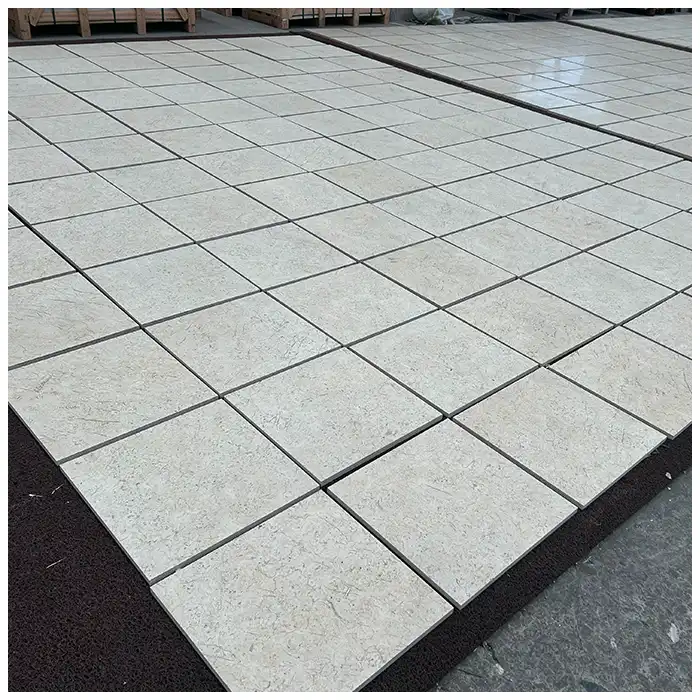
Fossilito Beige Limestone Tiles
Creamy beige fossil limestone tiles for hotel bathrooms, villa floors, spa interiors, lobby walls, resort projects, and natural-texture architectural surfaces.

White Pearl Lymra Limestone Tiles
Light limestone tile option for facade cladding, bright wall surfaces, floors, villas, hospitality projects, and pale architectural elevations.

White Lymra Limestone Tiles
Creamy off-white limestone tiles for interior floors, exterior facades, wall cladding, hotel lobbies, villas, churches, and architectural projects.

Ferazzino Beige Limestone Tiles
Warm beige limestone tiles for floors, wall cladding, facades, villas, spas, malls, airports, farmhouses, and commercial architectural projects.

Moca Creme Limestone for Hotels, Villas, Offices, Facades, and Real Estate Projects
For a Moca Creme Limestone order, send the required floor tile, wall tile, facade panel, paving piece, staircase, sill, skirting, wall cap, or custom cut-to-size quantity; finished dimensions; required thickness; honed, polished, brushed, or leathered finish; accepted beige range; vein direction; drawings; destination; and project schedule.
For hotels, villas, apartment developments, offices, retail buildings, churches, malls, and larger commercial projects, MQ STONE can coordinate custom tile and facade-panel production, surface finishing, drawing-based cut-to-size fabrication, quality inspection, project identification, reinforced export packing, and phased architectural stone supply.