Should a Stone Dining Table Be Sealed?
A pale quartzite slab once held a drop of water like glass across most of its face. Along one crystalline line, the edge darkened slowly. Under side light, that line glowed more deeply than the field around it. The stone was not uniformly thirsty, and a single label could not describe its behavior.
Sealing questions often begin too late. The table is polished, packed or installed, and someone asks which product should be wiped over it. By then, the team may not know what resin, filler or factory treatment is already present. Adding another product becomes an experiment on the finished piece.
Stone dining table sealing belongs in slab and finish approval. I want to see how the untreated control absorbs, how the candidate product cures, whether color deepens, whether residue remains and how the repaired zones respond. The decision is evidence, not folklore.
Define What Stone Dining Table Sealing Can Do
An impregnating sealer is intended to enter accessible pores and reduce absorption when the material and product are compatible. It may give a spill more time to be removed. It does not place an invisible shield over every mineral, fissure, edge and repair.
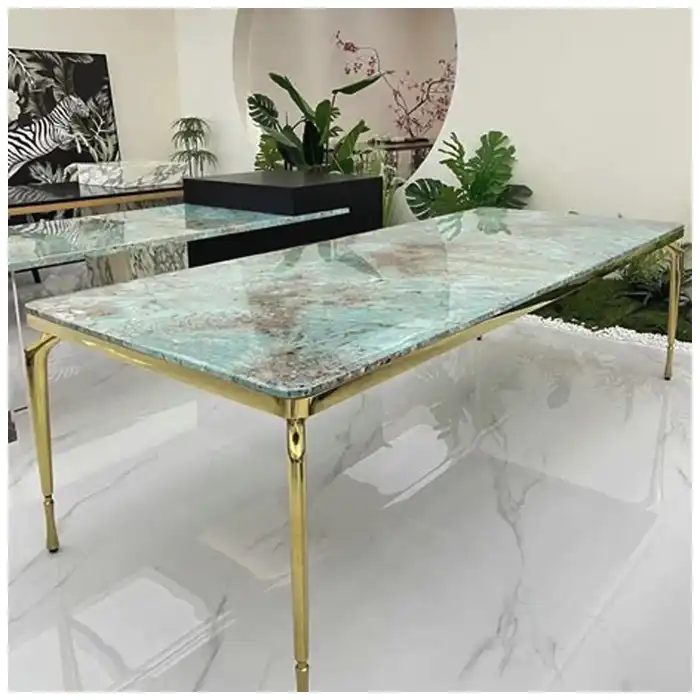
Marble remains sensitive to acids because calcite reacts chemically. Lemon juice can dull a polished face even when the stone is properly sealed. Quartzite generally resists acid better, but resin, filler, mineral inclusions and surface finish can still respond to spills or products.
A topical coating behaves differently from an impregnating product and may change gloss, texture, slip, repairability and maintenance. Do not substitute one category for another because both are called sealers in casual conversation.
Сайт Stone Dining Table Care for Marble and Quartzite routine will control daily spills and cleaners. Treatment supports that routine. It cannot replace it.
Read the Full Slab, Finish, Resin, and Repairs
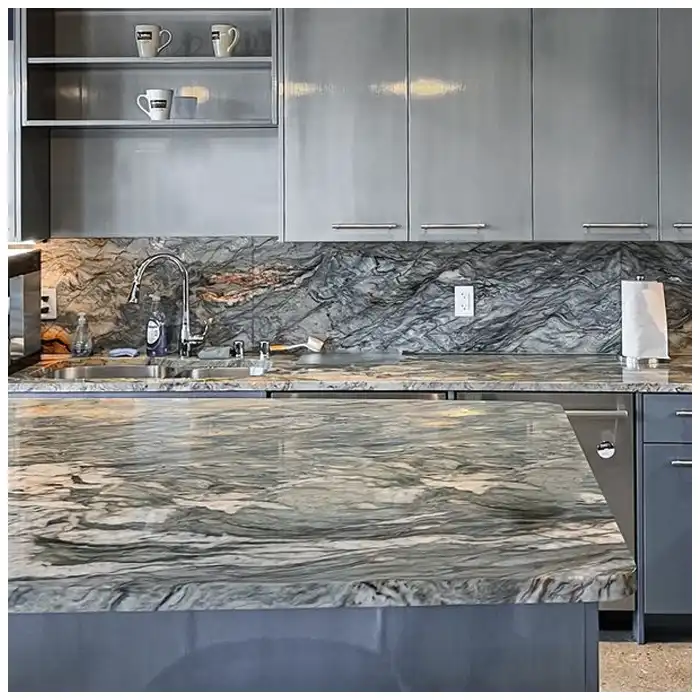
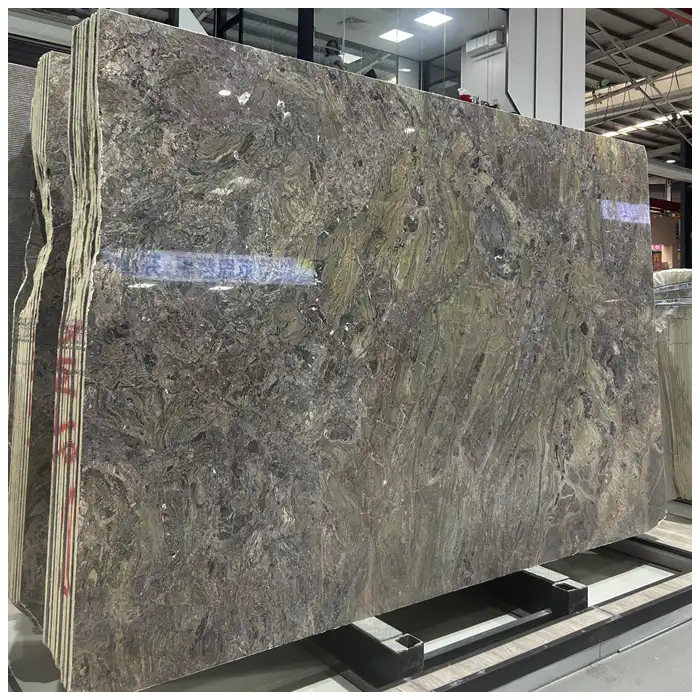
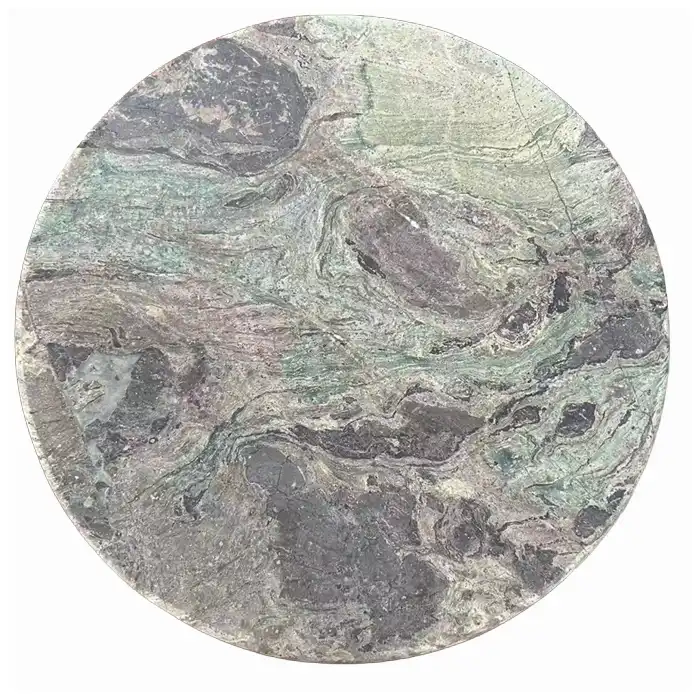
The veins will tell you where mineral composition and structure change. In quartzite, tightly interlocked quartz crystals may sit beside mica-rich, iron-bearing or repaired zones. In marble, veins and brecciation can carry different porosity or fill. One small test on the quiet field does not approve every area.
Ask the supplier and fabricator for any factory resin, mesh, filler, reinforcement, stain treatment or earlier sealer. Record product information where available. A second application can fail to penetrate, leave residue or react poorly with the first.
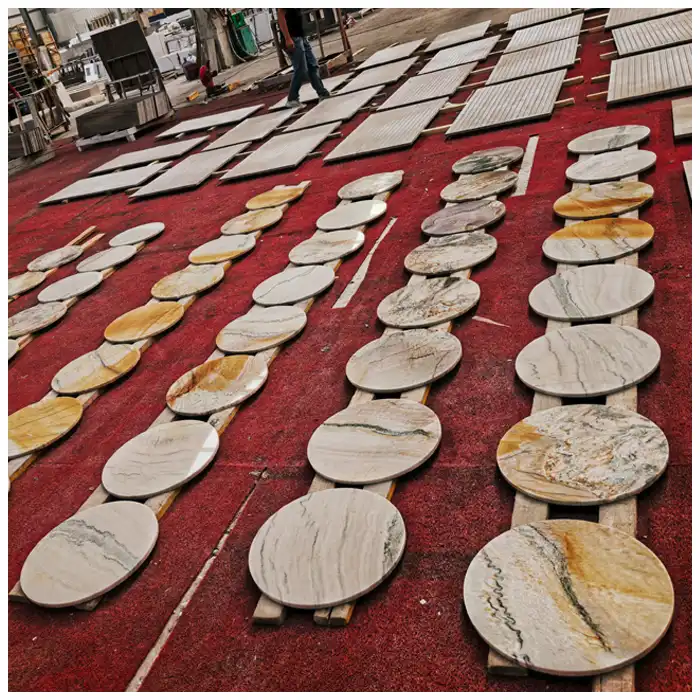
For a Dover White quartzite table, pale fields make darkened test patches easy to see. Inspect around fissures and edge transitions, not only the clean centre. Color change at one line may be more visible than a broad shift across a darker slab.
Stone sealer color change can appear as deepened tone, warmer color, darker edges or uneven sheen. Some owners may like an enhancing effect, but it must be intentional and uniform. A product chosen to preserve the natural look should not quietly become a color enhancer.
Run a Dining Table Absorption Test
Use current professional and product guidance for test method and interpretation. The goal is to observe the actual surface under controlled conditions, not to assign a universal porosity number from an internet chart.
A dining table absorption test records the test liquid, amount, contact period, location, surface preparation, room condition, removal method, drying period and appearance. Compare several representative zones when the slab varies.
Temporary wetting is not automatically a failure. Let the area dry fully before judging retained color. A repaired fissure may behave differently from the crystalline field. An edge can absorb differently from the polished face because fabrication exposes another structure.
Do not perform casual tests with acidic drinks on marble. That tests etching at the same time as absorption and can permanently alter the sample. Use the approved method for the question being asked.
Keep an untreated control
An untreated control shows the natural color and absorption response. Label it clearly and protect it from overspray. Without a control, a later team may not know whether a darker appearance comes from the sealer, cleaner, moisture or the stone itself.
Test the Marble Table Sealer on the Actual Finish
A polished sample reveals residue and streaking quickly. A honed sample may hide slight residue from the front and show it under raking light. Textured surfaces can trap product in low areas. Test the finish selected for the table.
Marble table sealer evaluation must include acid truth. The treatment may reduce absorption, but it does not change calcite into quartz. State this plainly in the care document so an owner does not interpret water beading as acid resistance.
Inspect the cured test in daylight, the proposed pendant and a controlled side light. Look for darkening, yellowing, increased contrast, cloudy residue, lap marks, gloss change and uneven response around veins or repair.
For a Calacatta Oro marble round table, the warm gold veins already carry strong contrast. An enhancing product may deepen the surrounding field and change that balance. I want the original mineral drawing to remain in control.
Use a Stone Sealing Decision Table
| Test finding | Question | Decision route | Evidence to retain |
|---|---|---|---|
| Minimal absorption across representative zones | Is prior treatment already present? | Verify before adding product | Supplier and fabricator treatment record |
| Noticeable absorption without lasting color | Would reduction support the use? | Run compatible sealer test | Before, wet, dry and cured images |
| Uneven response at fissure or repair | Is the treatment compatible? | Consult supplier and product maker | Repair map and product data |
| Cured patch darkens or changes sheen | Is the effect intended and uniform? | Reject or approve as an enhancer | Room-light comparison |
| Residue remains after stated cure | Was excess removed correctly? | Stop broad application | Application timing and surface record |
| Acceptable test with reduced absorption | Can production repeat the method? | Approve controlled specification | Product, batch, coverage and cure |
The Hard-Won Lesson: Water Beading Is Not Full Approval
A treatment test made water bead cleanly on a honed marble sample. From above, the result looked successful. Under the intended warm pendant, the treated half carried a darker band where excess product had overlapped. The absorption result had improved, but the table’s appearance had failed.
The Lesson: Approve absorption, dry color, sheen and residue together after the complete cure period.
Control Preparation, Application, and Cure
The surface must meet the product requirements for cleanliness, dryness, temperature and previous treatments. Dust, moisture, cleaner residue or polishing compound can interfere with penetration and leave uneven areas.

Follow current manufacturer instructions for application amount, dwell, excess removal, additional coats, ventilation, cure and food-contact or use restrictions. Do not invent a faster cure because the table must be photographed tomorrow.
Quartzite sealing test records are especially useful where dense crystalline fields sit beside more open fissures. A broad application rate may leave residue on the dense area while the line continues to absorb. The method needs enough control to handle both without staining the composition.
Protect the table from dust, water, tableware and cleaners during cure. Mark the release time. A person placing a vase on a partly cured top can create a ring that is blamed on the stone.
Confirm use restrictions for a dining surface
Stone dining table sealing must follow the treatment manufacturer’s current directions for the intended setting. The project team checks any food-contact statement, ventilation need, personal protection, cure restriction and local requirement that applies. A natural-stone supplier should not rewrite those claims from memory or turn “low odor” into “ready for use.”
Direct food preparation and ordinary dining are not identical exposure descriptions. Plates and serving boards may separate food from the surface, while spills still reach it. Record the expected use, then let the product documentation and responsible project professionals determine suitability.
The curing area needs a physical boundary. Dust sheets must not touch wet treatment, and adhesive tape should not be placed on the stone unless its compatibility is established. Keep cleaning staff, photographers and furniture installers away until the recorded release time.
After cure, wipe the table only with the approved method and inspect for residue under low-angle light. Stone dining table sealing fails visual approval when a film, lap line or sticky area remains, even if a water test appears improved. Do not hide residue beneath place settings for handover photographs.
Use a representative production witness
If several tables share one material and finish, approve a first treated piece before continuing. Record application area, consumption, timing, excess removal and cure. Compare later pieces against that witness under the same light rather than allowing every applicator to judge “dry enough” independently.
Keep the witness away from windows, dust and unrelated handling until comparison is complete. View it beside the next top in diffuse daylight and under the specified pendant. A small exposure difference can look like a product inconsistency, while a real lap mark can disappear in one photograph. The inspector signs the physical comparison, not only a screen image.
Retain one cured offcut where possible. It gives future maintenance teams a safer place to check cleaner compatibility and appearance before touching the completed table.
Stone dining table sealing can vary when one top contains a large repaired zone or a different mineral band. Pause at that zone and follow the approved response. Quantity does not make a local incompatibility disappear; it merely repeats it faster.
Record Stone Dining Table Sealing for Future Care
The final record names the stone, slab, finish, product, batch, preparation, test locations, approval images, application date, applicator, coverage, coats, excess-removal method, cure, release and maintenance instructions.
Do not promise automatic annual resealing. Inspect condition and follow current product and professional guidance. Use, cleaning, stone density and prior application affect the interval.
Stone dining table sealing should be traceable when a future dark mark appears. The specialist needs to know whether the area was treated, whether the product changed, and whether a repair line received the same application as the field.
Inspect condition before any later coat
A later absorption complaint does not automatically authorize reapplication. Clean and dry a control, identify the existing product, inspect wear and test representative zones. Residue, etching and scratches need their own remedies.
When stone dining table sealing is repeated, keep the first and later records together. Note why another application was approved, how preparation differed and whether color or sheen changed. This history protects the next specialist from layering a third product over an unexplained surface.
Keep the Promise Honest
A sealed table can still etch, scratch, chip, stain, darken temporarily or suffer damage at resin and repairs. State the limits in the handover. Owners make better decisions when protection is described precisely.
Stone dining table sealing also cannot correct a poor finish. If the surface has polishing haze, residue, scratches or inconsistent honing before treatment, resolve that condition first. Sealer may make it harder to diagnose or blend later.
Сайт Stone Dining Table Finish guide sets the visual reference. Compare the treated surface against that approved finish under the same light and viewing positions.
The language of sealants covers many products and functions; a natural-stone impregnator is a specific treatment, not a generic cure for every surface risk. Use the manufacturer’s actual category and instructions.
Escalate uneven treatment without polishing it away
First photograph the dry cured surface under front, raking and room light. Second, stop additional coats, cleaners and polishing. Third, send the supplier, fabricator and treatment manufacturer the slab record, product, batch, application log and untreated control. Preserve the boundary for comparison.
Frequently Asked Questions
1. Does every natural stone dining table need sealing?
No. Need depends on the actual stone, finish, porosity, existing treatment and use. Test representative areas, confirm prior factory applications and judge both absorption and appearance before deciding.
2. Does stone dining table sealing prevent marble etching?
No. A suitable impregnating treatment may reduce absorption, but it does not stop acid from reacting with calcite. Marble still needs prompt spill response and strict avoidance of acidic cleaners.
3. Can sealer change the color of quartzite or marble?
Yes, some products or application conditions can deepen color, alter sheen or leave residue. Test the actual slab and finish, allow full cure, and inspect under daylight and the intended room lighting.
4. How often should a stone table be resealed?
There is no universal interval. Inspect performance, identify the existing product and follow current professional and manufacturer guidance. Do not add another coat merely because a calendar date has arrived.
5. What should I do first if sealer leaves a cloudy patch?
Photograph the fully cured area under several light directions, stop further application and cleaning, and retain the product and application records. Ask the supplier, fabricator and manufacturer to assess a controlled remedy.
Quick-Reference Sealing Check
- Confirm the actual stone, finish and all prior treatments.
- Test absorption in several representative slab zones.
- Keep an untreated appearance control.
- Inspect cured color, sheen and residue under room light.
- Follow the product’s preparation, excess-removal and cure instructions.
- Record product, batch, coverage and application date.
- State clearly that sealing does not prevent etching or impact.
Return the treatment record to the table specification
A sealer test has meaning only when it identifies the slab, finish, repaired zones and intended use. File that evidence with the Stone Dining Table material and fabrication record.
The treatment does not replace spill response or cleaner control, which remain in Stone Dining Table Care for Marble and Quartzite.
Final Conclusion
Stone dining table sealing is justified when the actual slab, finish and use show a need, and a cured test improves absorption without harming color or sheen. Keep the untreated control, follow the product method and preserve an honest care record. At MQ STONE, I would rather leave a dense slab untreated than cover its quiet crystalline depth with a product chosen from habit.
References
- Natural Stone Care and Cleaning Guidance, Natural Stone Institute.
- Dimension Stone Design Manual, Natural Stone Institute.
- Poultices and Stain Removal Guidance, Natural Stone Institute.
- ASTM C503 Standard Specification for Marble Dimension Stone, ASTM International.
- ASTM C616 Standard Specification for Quartz-Based Dimension Stone, ASTM International.
- Guide to Best Practice on the Cleaning of Internal and External Masonry Surfaces, Stone Federation Great Britain.
- Natural Stone Technical Guidance, Stone Federation Great Britain.
- Creating Helpful, Reliable, People-First Content, Google Search Central.