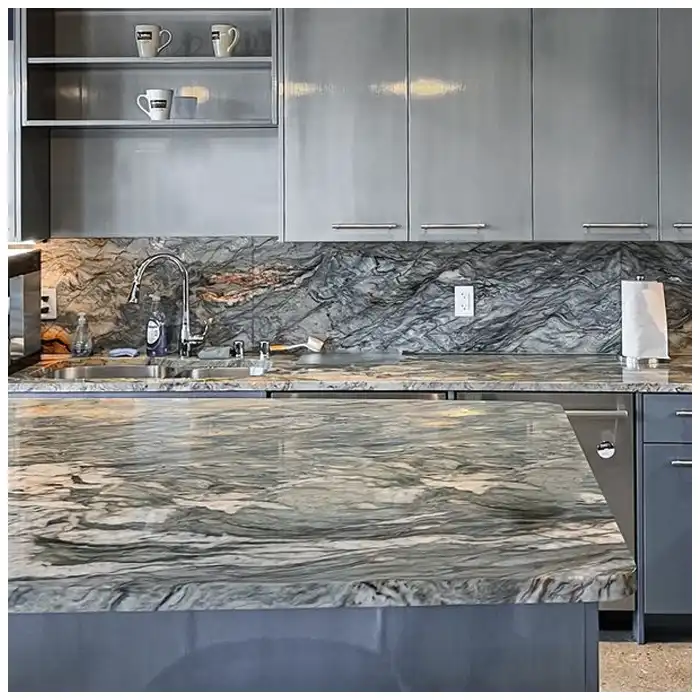
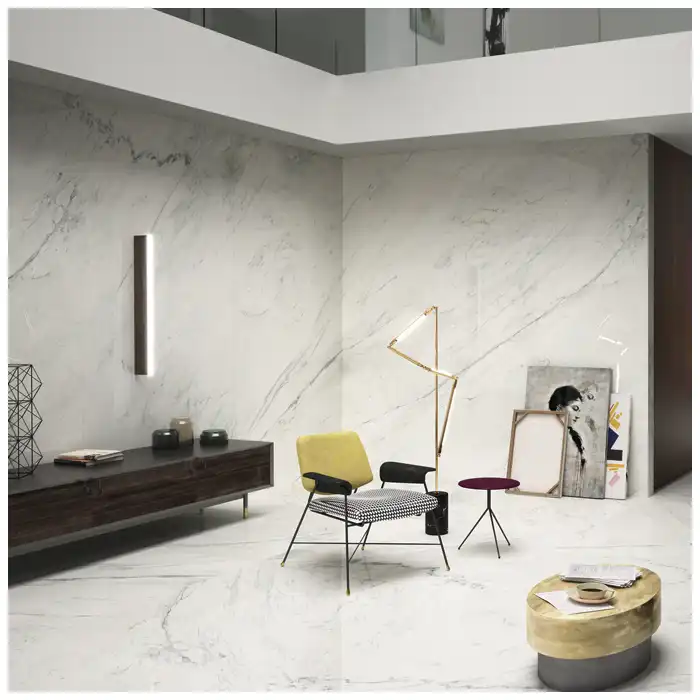
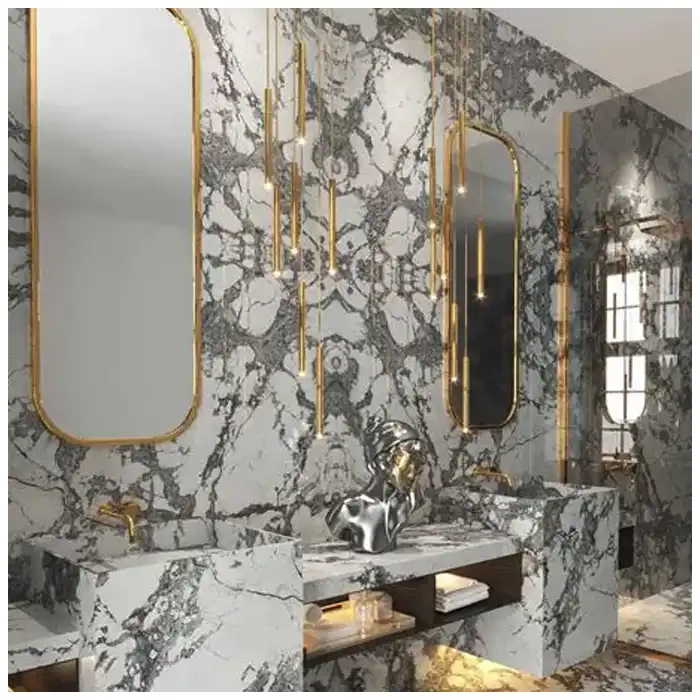
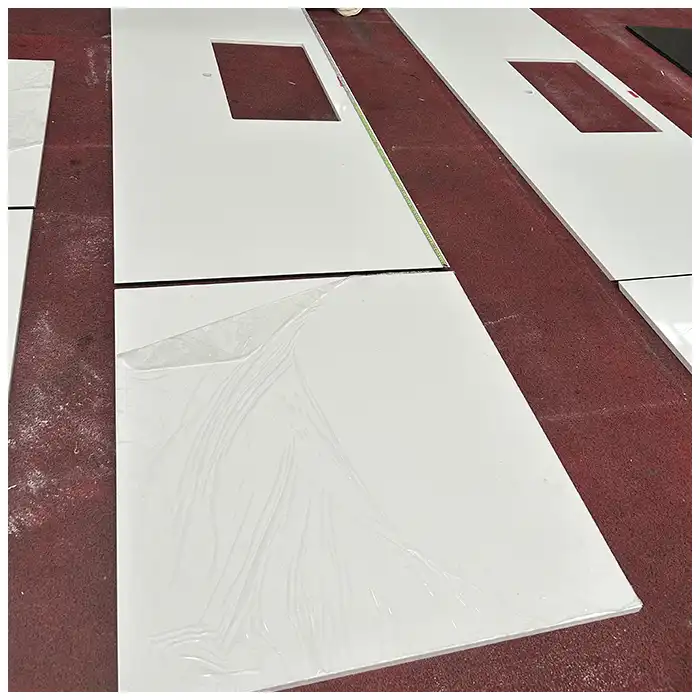
Granite is an intrusive rock in acidic magmatic rock. This is the most common type of rock in this category. Most of it is light flesh red, light gray, and off-white. Medium-coarse, fine-grained structure, block structure. There are also patchy structures, spherical structures, gneiss-like structures and so on. The main minerals of granite are quartz, potash feldspar and acid plagioclase, and the secondary minerals are biotite, hornblende, and sometimes a small amount of pyroxene. There are many types of accessory minerals, the common ones are magnetite, sphene, zircon, apatite, tourmaline, fluorite and so on. Quartz content is the largest among various magmatic rocks, and its content can range from 20-50%, and a few can reach 50-60%. The content of potash feldspar is generally more than that of plagioclase. The relationship between the two contents is often that potash feldspar accounts for two-thirds of the total feldspar, plagioclase occupies one-third, and potash feldspar is more in granite. It is light flesh red, but also gray and gray. Off-white potash feldspar and plagioclase are often difficult to distinguish on hand specimens. At this time, we must carefully observe the double crystal characteristics of these two feldspars, because plagioclase has double crystals. When rotating the hand specimens, we can see that there are regular light and dark aggregates on the plagioclase crystals. It is a cassette double crystal, which appears as two halves of crystals with different degrees of brightness.
Granit, koyu renkli minerallerin türlerine göre de adlandırılabilir. Örneğin, koyu mineraller esas olarak biyotittir ve yaygın bir granit türü olan biyotit granit olarak adlandırılabilir. Biyotit ve muskovit içeriği eşite yakınsa, dimika granit olarak adlandırılabilir. Koyu renkli mineral esas olarak hornblend ise hornblend granit olarak adlandırılır. Koyu mineral esas olarak piroksen ise piroksen olarak adlandırılır. Neredeyse hiç koyu mineral içermeyen taş granit Baigangite olarak adlandırılabilir.