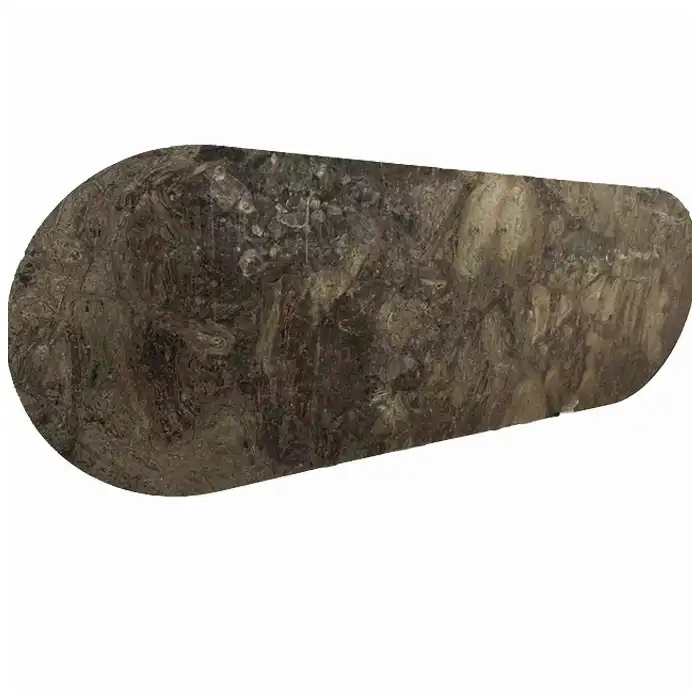
Sintered Stone vs Natural Marble 2026: Can It Really Replace Natural Stone?
The debate around sintered stone vs natural marble is no longer a simple question of modern versus classic. It is a procurement, performance, and branding decision. In 2026, architects, developers, and homeowners are asking whether engineered innovation can really replace a material that has been valued for centuries. The short answer is that sintered stone has become a strong alternative in many applications, but it has not erased the unique appeal of marble.
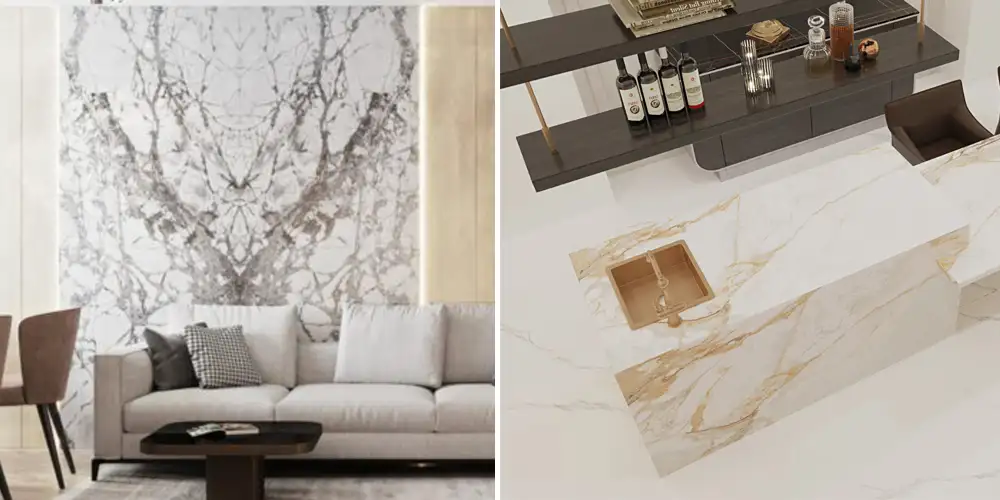
That is because these materials solve different problems. Sintered stone is designed for efficiency, consistency, and high-stress environments. Natural marble is defined by geological variation, visual depth, and a sense of uniqueness that cannot be mass-produced. For a buyer comparing sintered stone vs marble countertops, the real question is not which one is universally better. It is which one is better for the specific room, maintenance routine, and design ambition.
MQ STONE works with both categories because serious projects often need both kinds of logic. A homeowner may want marble in a quiet luxury bath, while a chef’s kitchen may demand the practical strength of a sintered surface. That mix of priorities is why premium sintered stone supplier ve Natural Marble Supplier searches often rise together. The market is not replacing one material with another. It is separating them by use case.
Search intent today usually clusters around the same core questions: is sintered stone better than marble, does sintered stone look like marble, sintered stone vs marble cost, sintered stone vs marble durability, marble etching vs sintered stone, sintered stone vs marble for kitchen, Neolith vs marble, ultra compact surface vs marble, sintered stone vs marble maintenance, sintered stone chipping vs marble, sintered stone vs marble for bathroom, and sintered stone vs marble for hotels 2026. Those questions are the backbone of this guide.
1. Geological Legacy vs. Industrial Innovation: The Origin Story
1.1 Natural marble: time, pressure, and transformation
Natural marble begins as limestone that is transformed over millions of years by heat, pressure, and mineral migration. This metamorphic process creates the crystalline structure that gives marble its softness, depth, and light-transmitting quality. That natural history is not just romantic language. It is the reason marble behaves the way it does on walls, floors, countertops, and vanity tops.
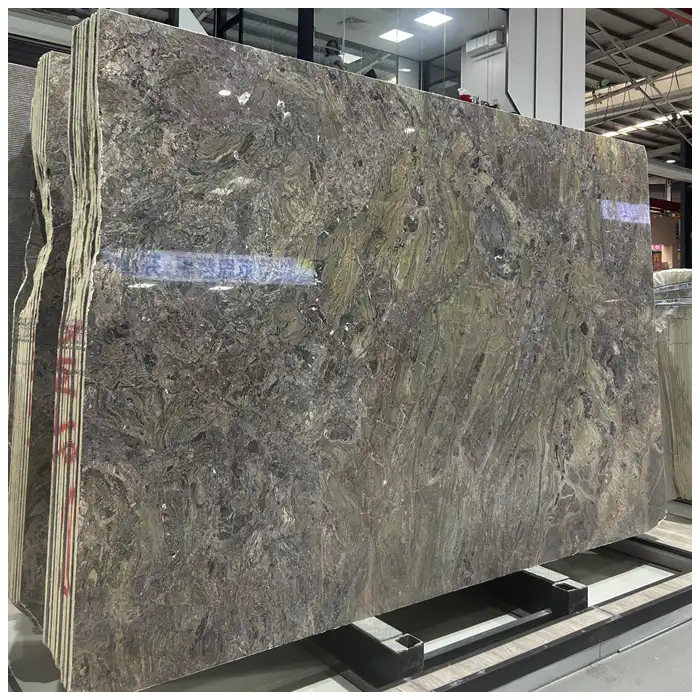
When a buyer sees a polished slab from a reputable Doğal Mermer Fabrikası, they are seeing a one-of-one geological object. No two blocks are identical, which is why a piece from Calacatta Extra Mermer can feel so dramatically different from another slab even within the same quarry family. The same is true for iconic white marbles such as Bianco Carrara Mermer, which remains popular because it is elegant, classical, and unmistakably natural.
1.2 Sintered stone: minerals fused in hours
Sintered stone follows a radically different path. Instead of being shaped by geological time, it is created through industrial compression and high-temperature firing, often around 1,200°C. Minerals are fused into a dense, highly controlled slab that can imitate stone patterns without relying on a quarry block. This is why the category is often associated with consistency and technical precision.
The sintered stone category shows how industrial surface design has evolved into a major luxury construction option. In many cases, the material is selected not because it is more beautiful than marble, but because it is easier to standardize, easier to clean, and easier to specify across large developments.
1.3 The imitation question
A premium sintered stone supplier now has to do more than deliver a hard slab. It has to mimic the random veining, color depth, and surface irregularity that buyers associate with real stone. This is where 2026 “full-body” printing and layered pattern engineering come into play. The better the printing, the closer the material gets to the visual language of earth-made stone.
Even so, the distinction remains. Natural marble is shaped by geology; sintered stone is shaped by manufacturing. That difference matters both aesthetically and emotionally.
2. Technical Specification Matrix: The 2026 Performance Data
Buyers need data before they need opinions. The table below compares the practical behavior of these surfaces in the contexts where procurement teams care most: kitchens, bathrooms, facades, and hospitality interiors.
| Mülkiyet | Natural Marble (Typical) | Sintered Stone (2026 Standard) | Testing Protocol |
|---|---|---|---|
| Mohs Hardness | 3.0 – 4.0 | 6.0 – 7.0 | Scratch Resistance |
| Su Emme | 0.15% – 0.20% | < 0.05% | Porosity / Stain Test |
| Isı Direnci | Up to 150°C (thermal shock risk) | Up to 1,200°C (fireproof) | Thermal Stability |
| UV Dayanımı | Moderate (may fade in direct sun) | Excellent (indoor / outdoor) | Color Fastness |
| Chemical Resistance | Low (sensitive to acids) | High (acid & alkali proof) | Etch Resistance |
| Repairability | High | Moderate to low | Restoration Test |
The data explains why a sintered stone wholesale exporter is usually strongest in commercial high-traffic zones. Sintered stone handles heat, knives, stains, and outdoor exposure extremely well. But the same data also explains why marble remains preferred in spaces where softness, prestige, and tactile depth matter more than pure technical performance.
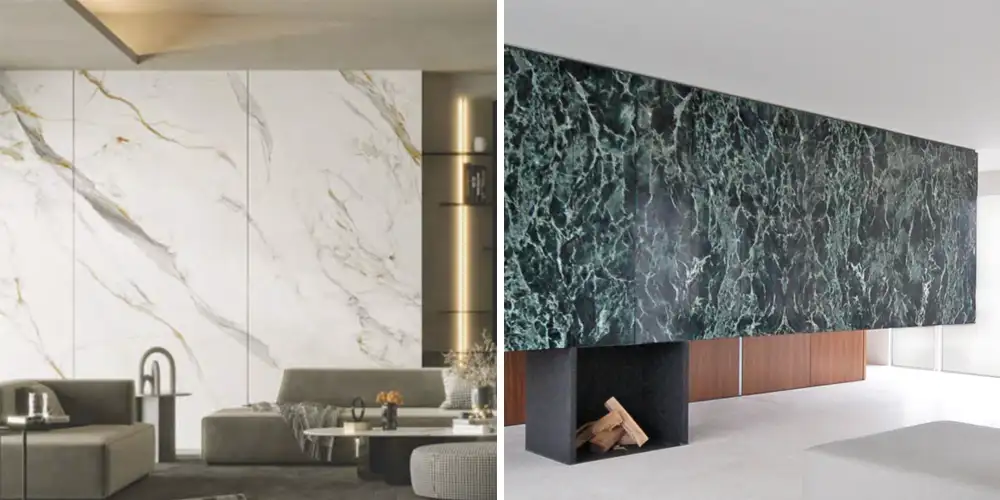
Technical Comparison: Sintered Stone vs. Natural Marble
| Özellik | Sintered Stone (Engineered) | Natural Marble (MQ STONE) |
|---|---|---|
| Scratch Resistance | High (Mohs 7+) | Moderate (Mohs 3-4) |
| Heat Tolerance | Extremely High (Up to 1200°C) | Moderate (Requires protection) |
| Repairability | Difficult/Impossible if chipped | Excellent (Can be re-polished/filled) |
| Visual Depth | Surface Printed (Pixelated edges) | 3D Geological Depth (Infinite) |
| UV Stability | Superior (Ideal for outdoors) | Moderate (Varies by variety) |
This is where comparisons like sintered stone vs marble cost per square foot become useful. Sintered stone may reduce maintenance and replacement costs over time, but a premium marble slab can add greater emotional and resale value in the right setting. That is why buyers should not compare them as interchangeable products.
3. The Aesthetic Gap: Veining, Depth, and Soul
3.1 Natural depth
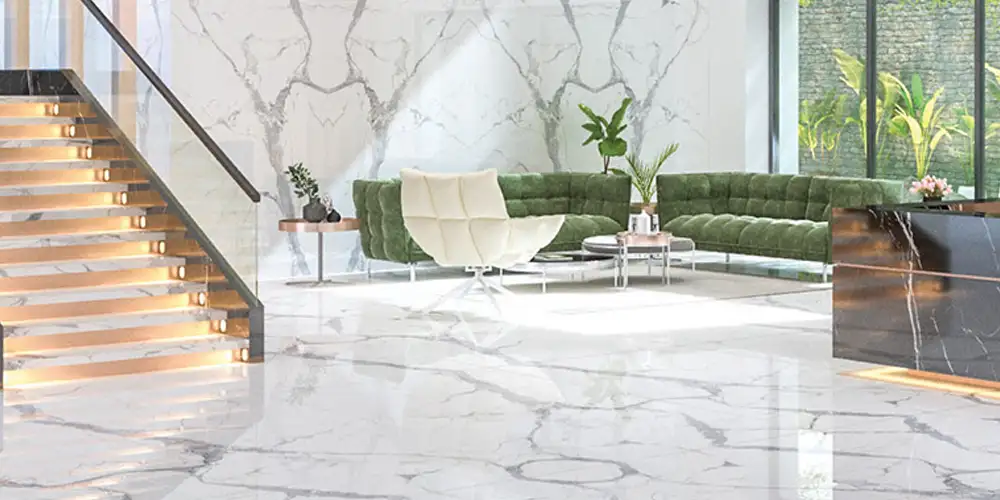
Marble has a crystalline body that lets light penetrate below the surface before reflecting back to the eye. That creates depth, softness, and movement that cannot be perfectly reproduced by printed surfaces. Even if a sintered slab looks close at first glance, the visual experience changes when the viewer stands beside it in natural light.
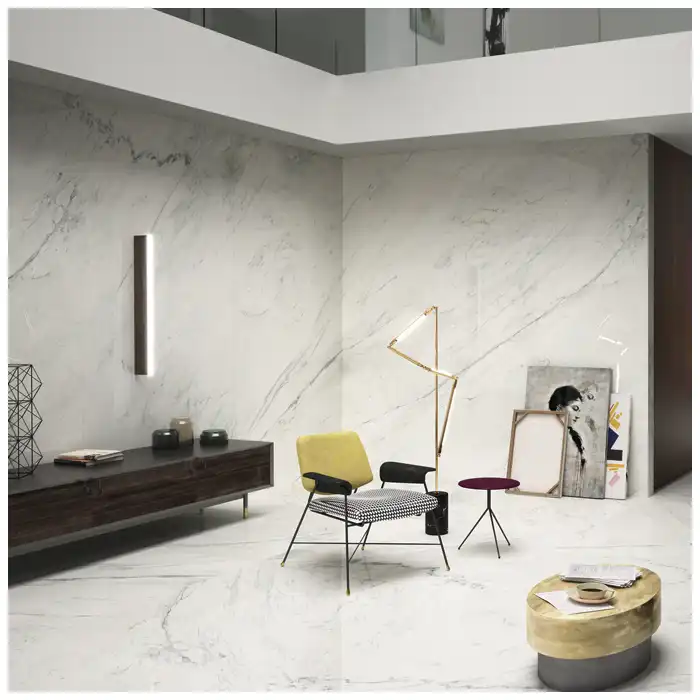
This is the reason many designers still ask whether does sintered stone look like marble. The answer is yes, sometimes convincingly, but not identically. The strongest sintered products can imitate color and movement very well, yet the natural sparkle and irregular internal life of marble still feel different in person.
3.2 Digital printing and full-body technology
In 2026, printed surface technology has become sophisticated enough to mimic veining, background clouds, and occasional mineral movement across the full body of the slab. That matters because it gives the product more continuity when cut, mitered, or edge-finished. It is one reason the phrase ultra compact surface vs marble continues to appear in project discussions.
Brands such as Neolith vs marble are now part of a broader design conversation about whether engineered surfaces can match the look and practicality of stone. The answer depends on the use case. For a crisp kitchen island or an outdoor façade, the engineered option may win. For a master bath with a quiet luxury brief, marble may still be the stronger choice.
3.3 The unique factor
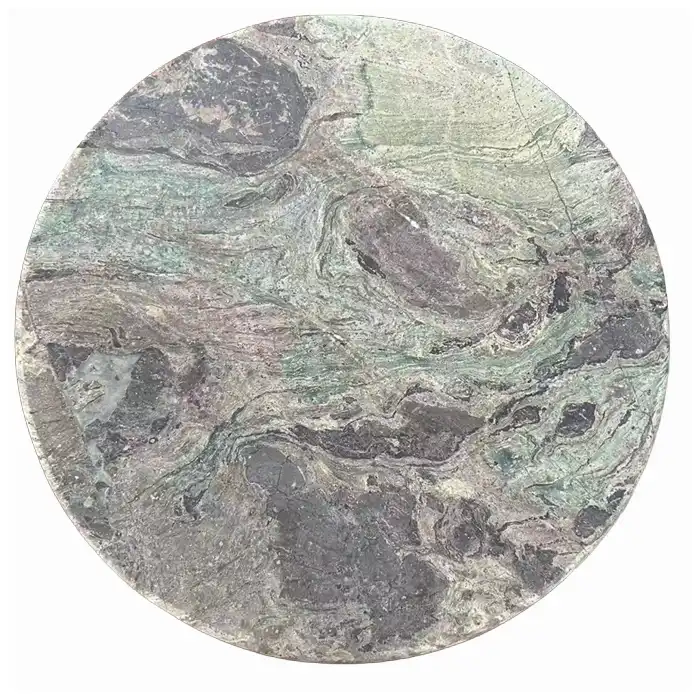
An exotic marble supplier still holds the “unique factor” that mass production cannot fully replicate. Each block has its own fracture, movement, and mineral rhythm. That uniqueness is part of the emotional value of marble. It is also why buyers still gravitate toward representative stones such as natural marble collections when the project needs individuality rather than uniformity.
4. Real-World Application Scenarios: Choosing the Right Surface
4.1 The gourmet kitchen
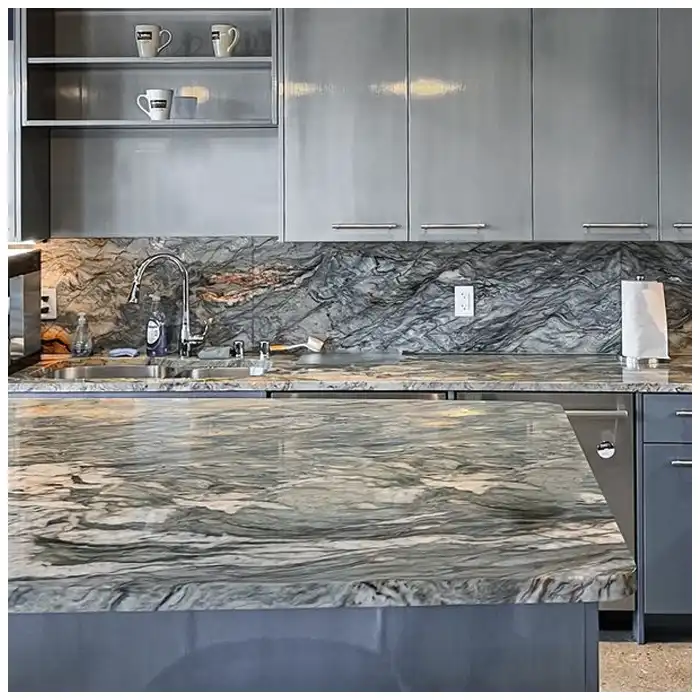
In a kitchen, the practical strengths of sintered stone are obvious. Heat, oils, cutlery, acidic ingredients, and daily spills all create risk. Here, sintered stone vs marble for kitchen often tilts toward sintered material because it resists etching and staining better than marble. A busy family kitchen or a chef-style prep space usually benefits from the low-maintenance profile.
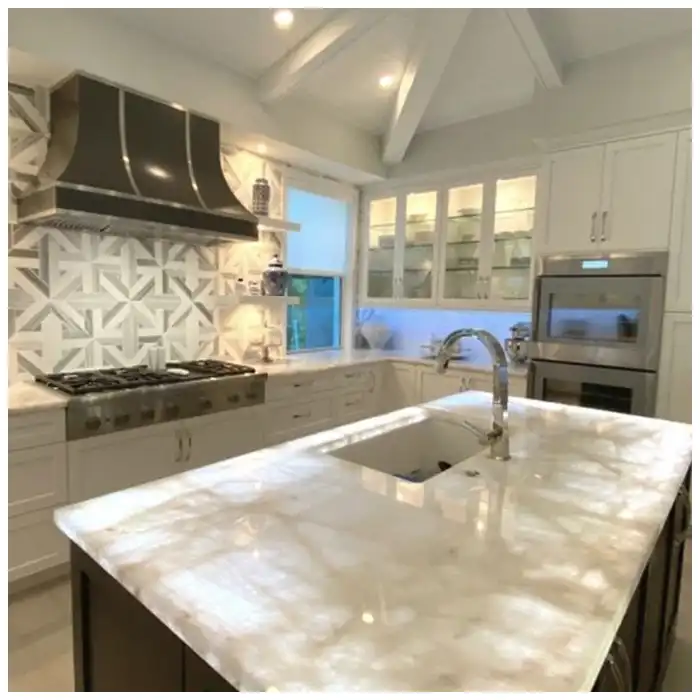
For buyers comparing a fabricated kitchen with sintered stone vs marble countertops, the decision often comes down to the owner’s lifestyle. If the user wants to avoid constant sealing and panic over lemon juice or red wine, sintered stone is a very rational choice. If the user values natural depth and accepts patina, marble remains attractive.
4.2 The spa bathroom
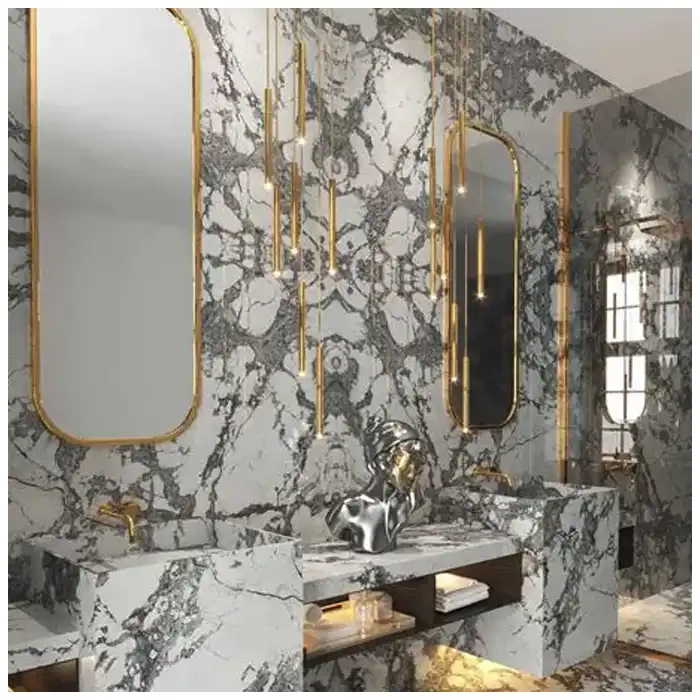
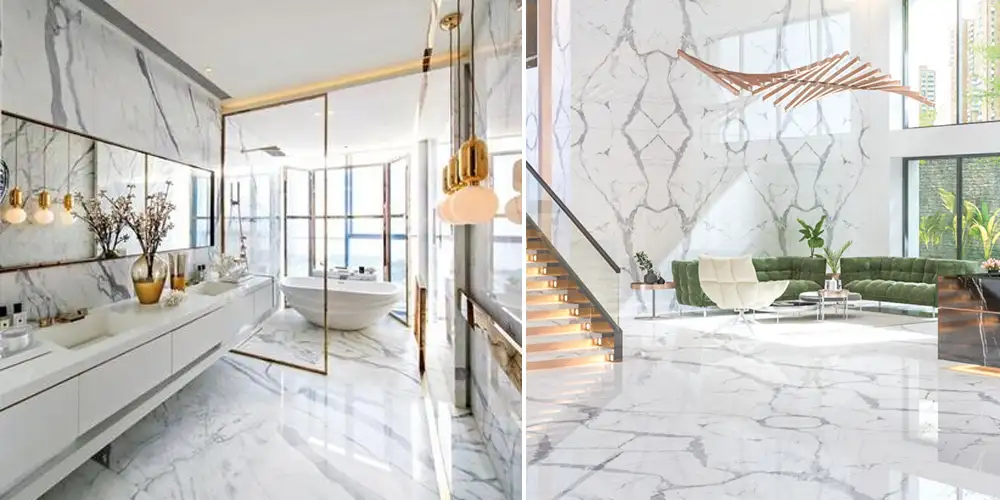
In a bathroom, the tactile and visual warmth of marble still matters a great deal. A luxury suite finished with marble feels more intimate, more prestigious, and more connected to classic architecture. This is why sintered stone vs marble for bathroom is not a simple “best material wins” comparison. The room’s intended mood matters.
A polished marble vanity or shower accent can feel soft and beautiful in a way that an engineered slab cannot perfectly imitate. That is why marble continues to dominate premium bathrooms, especially when the buyer wants quiet luxury instead of a hard technical aesthetic. Browse examples in the Natural Marble category or compare a refined white option like Bianco Carrara Mermer.
4.3 Outdoor cladding and façades
For exterior facades, sintered stone has revolutionized 2026 design. UV resistance, lower absorption, and high heat tolerance make it very attractive for buildings exposed to sunlight and weather change. In these situations, sintered stone often outperforms marble on a practical basis, especially when the facade must stay visually stable across seasons.
This is one of the strongest examples of how the market has divided by function. A sintered stone manufacturer can deliver reliable panels for outdoor cladding, while a Natural Marble Wholesales program may focus on interiors where beauty and feeling matter more than weather exposure.
5. Fabrication and Installation: Technical Challenges
5.1 Marble craftsmanship
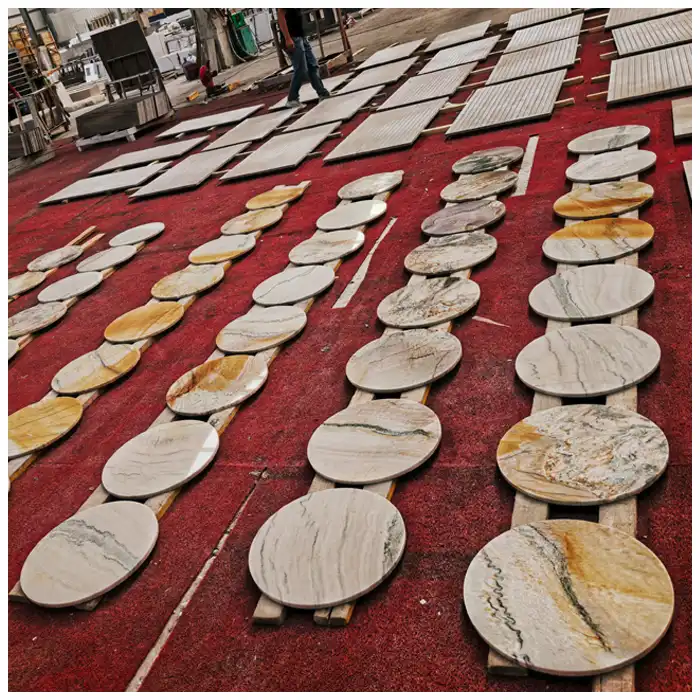
Marble remains the more craft-sensitive material. Traditional custom stone fabrication involves careful selection, cut orientation, edge profiling, and finishing work that respects the block’s natural story. A competent Doğal Mermer Fabrikası can create book-matched walls, mitered islands, and highly detailed profiles that become part of the design language rather than hidden infrastructure.
That craftsmanship is why many designers continue to specify marble even when an engineered alternative is available. The material invites slower, more intentional work. It rewards precision with a sense of depth and prestige.
5.2 The sintered tension
Sintered slabs are technically strong, but they are not simple to fabricate. They require specialized tools, cutting protocols, and tension-release discipline because the material can chip or break if handled incorrectly. This is why buyers often compare sintered stone chipping vs marble and discover that each material fails differently. Marble may scratch or etch more easily, but it is often easier to repair. Sintered stone may resist damage better, but damage can be harder to patch cleanly.
The fabrication team also needs the right equipment for polished edge quality, mitered corners, and large-format installation. A Sintered Stone Factory is often built around repeatability and consistent dimensions, while a Doğal Mermer Fabrikası is often built around visual reading and slab-by-slab judgment. Both are technical. They are simply technical in different ways.
5.3 Book-matching and complex layouts
One of the reasons buyers still prefer marble for certain luxury projects is that the natural randomness can create a richer book-match when the slab is selected properly. If the goal is symmetry with geological variation, marble has the edge. If the goal is perfect uniformity, sintered stone wins.
For commercial projects that need more structure and less variability, a Sintered Stone Slabs Suppplier may be the most efficient option. For interiors where every slab is part of a one-off story, marble remains difficult to beat.
6. Price Intelligence: The 2026 Financial Breakdown
6.1 Marble costs
Marble pricing is driven by quarry scarcity, block size, color rarity, grade, and transportation. A rare white or richly veined slab can command far more than a standard material because the quarry yield is lower and the selection process is more precise. That is why premium stones such as Calacatta Extra Mermer or well-selected Bianco Carrara Mermer remain attractive to designers despite higher costs.
When buyers search sintered stone vs marble cost, they are often comparing not just upfront purchase price but the total life-cycle expense. Marble may require more care, but it can also deliver greater perceived value. In the right market segment, that value can support resale or brand positioning.
6.2 Sintered costs
Sintered stone pricing reflects energy use, technology, print development, kiln operation, and brand positioning. High-performance surfaces are not cheap to produce because the manufacturing process is extremely controlled. The result is a dependable product, but one that still carries significant cost when scaled to premium finishes and jumbo format.
This is why a buyer may find that sintered stone slab price analysis looks attractive on a maintenance basis but less compelling on a tactile-luxury basis. The cost profile favors scale, repeatability, and operational efficiency.
6.3 Wholesale insights for large developments
When a tower, hotel, or mixed-use project needs repeated surfaces across many floors, Sintered Stone Countertops Wholesales can be easier to manage because the product is standardizable. In contrast, Wholesale natural marble slabs require more selection, more sorting, and more installer judgment. That does not make marble inferior. It makes marble more bespoke.
Developers usually need both a premium sintered stone supplier for high-traffic and exterior zones and an exotic marble supplier for signature areas. MQ STONE often supports that hybrid model because the smartest specifications are rarely one-material-only.
7. Sustainability and ESG (Environmental, Social, and Governance)
7.1 Carbon footprint and manufacturing logic
In 2026, sustainability discussions often ask whether quarrying or manufacturing is the greener process. The honest answer is that both have environmental costs, but they are different costs. Quarrying uses land, transport, and block processing. Sintered production uses energy-intensive kilns and industrial facilities. The greener choice depends on the full life cycle, not just the headline material source.
A certified sintered stone wholesale exporter may highlight production efficiency, while a responsible Natural Marble Supplier may emphasize longevity, repairability, and reduced replacement over time. That is why ESG comparisons should be based on real project duration, not just factory energy or quarry footage.
7.2 Circularity and recyclability
Sintered stone has gained popularity because many buyers like the idea of a circular manufacturing story. Offcuts can often be repurposed or reduced with efficient production systems. That aligns well with high-volume project work and large commercial programs where standardized waste reduction is valuable.
Marble, by contrast, is valued for longevity and re-use potential. A slab can be reinstalled, repolished, or repurposed in some cases. That is one reason marble remains attractive in luxury residential design, where the owner expects the material to age rather than be replaced.
7.3 Traceability and ethical sourcing
Buyers of natural stone increasingly expect source transparency from quarry to project. An exotic marble supplier should be able to explain origin, grade, and handling. That is especially important when the specification includes high-value feature walls or bespoke vanity tops. In those cases, the supplier is not just selling a slab. They are supplying confidence.
For buyers who want to see how this plays out across product families, the Quartzite category is a useful benchmark because it sits in the same luxury conversation as marble, but often with a different performance profile.
8. Durability and Maintenance: The 10-Year Outlook
8.1 Patina versus permanence
Some designers love marble because it ages. A soft patina can add character and make the space feel lived-in and authentic. Sintered stone does the opposite: it tries to stay visually stable for as long as possible. That difference is central to the design decision. A buyer should not ask whether aging is good or bad in the abstract. They should ask whether the room should feel timelessly crisp or gracefully lived-in.
This is where sintered stone vs marble maintenance becomes a lifestyle question. If the owner wants minimal maintenance, sintered stone is very attractive. If the owner wants a natural material that can be revived and loved over time, marble still has a strong advantage.
8.2 Repairability
A chipped marble edge can often be repaired through custom stone fabrication, resin work, polishing, or local restoration. That is one of marble’s hidden strengths. It is not invulnerable, but it is more forgiving when damage occurs. By comparison, sintered stone can be harder to patch invisibly because its printed or engineered surface is less easy to blend after failure.
For this reason, the question Can sintered stone be repaired? is important. The answer is yes, but usually with more limitations than marble. Minor damage can be addressed, but visible repairs may remain more noticeable. This is why some specifiers still prefer marble in areas where restoration flexibility matters more than absolute stain resistance.
8.3 The “forever” surface and warranty logic
Sintered stone is often marketed as a forever surface because of its resistance to UV, heat, and stains. That reputation is real, but it should be understood in context. The product is very durable, yet it is not magic. It can chip, and when it does, the repair story becomes more complex.
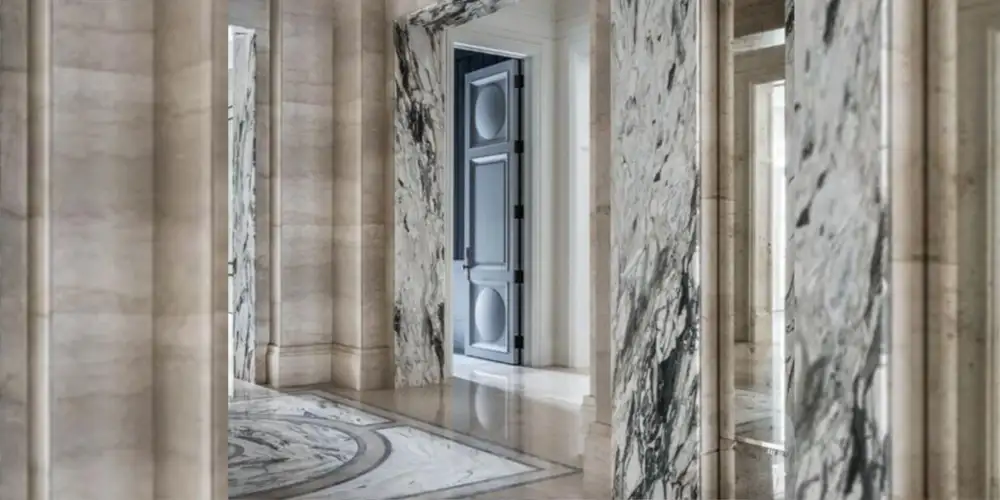
Marble, meanwhile, may require more care but can often be restored more naturally. This is the central contrast in sintered stone vs marble durability. Sintered stone wins on resistance. Marble often wins on recoverability and long-term aesthetic renewal.
9. 2026 Design Trends: Hybrid Integration
9.1 Mix and match
The most practical 2026 trend is not choosing one material for everything. It is pairing them intelligently. Use sintered stone in the highest-use areas, then use marble where visual emotion matters most. That hybrid strategy gives architects the best of both worlds.
In kitchens, that might mean sintered stone on the main prep counter and marble on the island waterfall or breakfast bar. In hotels, it may mean sintered panels in back-of-house and natural marble in the guest-facing lobby. This is why sintered stone vs marble for hotels 2026 is increasingly a hybrid question rather than an either-or debate.
9.2 Micro-minimalism
Thin sintered slabs, especially in the 3mm–6mm range, are becoming more common for cabinetry skins, furniture cladding, and lightweight applications. They are useful because they bring a stone-like visual to furniture without adding the full mass of a traditional slab. This supports the broader movement toward cleaner lines and lower visual bulk.
Marble can also be used thinly, but it is usually chosen for a different reason: tactile prestige. That is why comparisons like does sintered stone look like marble ve is sintered stone better than marble continue to drive search traffic. Designers are asking whether the engineered option can deliver enough beauty for less risk.
9.3 Will technology replace the earth’s creation?
Probably not entirely. Technology has become extremely good at imitation, and it will continue to improve. But natural stone still offers variability, depth, and provenance that engineered surfaces cannot fully copy. The market has space for both, and the strongest projects will continue to use both according to function.
In a world full of visual simulation, authenticity remains valuable.
10. Procurement Strategies for Architects and Developers
10.1 Sourcing for scale
Large developments need material consistency, stable lead times, and batch coordination. That is where a Sintered Stone Factory can be very efficient. But if the project includes signature rooms or high-value public areas, a Doğal Mermer Fabrikası remains important because only natural stone can provide true block-to-block variation and book-match character.
Buyers searching for Sintered Stone Slabs Suppplier, Doğal Mermer Fabrikası, Natural Marble Supplier, and Natural Marble Wholesales are usually signaling project-level intent. They need volume, documentation, and grading consistency. The procurement workflow should reflect that reality.
10.2 The quality control checklist
A strong supplier should answer five basic questions: What is the source? What is the grade? What is the finish? What is the lead time? What is the replacement plan if the slab sequence changes? This checklist applies to both sintered and natural materials, but the answer quality matters even more with marble because every block family is unique.
This is where MQ STONE often adds value. The goal is not just to sell a surface. The goal is to help the buyer choose the right material for the right zone without overcomplicating the project.
10.3 Logistics 2026
Jumbo-format sintered slabs are lighter in some respects but still fragile at the corners and edges. Marble slabs are heavier and more prone to breakage during transport if the packing is weak. That means both materials need serious logistics management. The difference is that sintered stone is usually more predictable in dimensions, while marble is more variable in character.
Buyers should expect project-specific support and not a generic inventory dump. That is especially true if the project requires book-matching, custom cut pieces, or a mixed package of wholesale natural marble slabs and engineered surfaces.
2026 Sustainability: Why Natural Marble Remains the Greener Choice
As the architecture industry shifts toward Net Zero goals in 2026, the material’s carbon footprint has become a critical specification factor. While sintered stone is marketed as modern, its production requires intense energy for high-heat kilns (up to 1200°C).
In contrast, Natural Marble from MQ STONE is a finished product of Earth’s own geological energy. The carbon embodied in quarrying and precision cutting is significantly lower than industrial firing. Furthermore, natural marble is a multi-generational asset. Unlike engineered surfaces that are replaced when styles change or surface damage occurs, marble can be re-finished and restored indefinitely, maintaining the property’s resale value and luxury prestige for decades.
11. The Conclusion of Natural Marble Vs. Sintered Stone | MQ STONE
Sintered stone is the ultimate alternative in many practical settings, but marble remains the original material of luxury. In 2026, the most intelligent projects do not ask whether one surface kills the other. They ask where each one performs best. Sintered stone wins in heat, stain resistance, and outdoor resilience. Marble wins in tactile luxury, repairability, and the deep visual life that only geology can create.
The final decision should be based on the room, the user, the maintenance plan, and the long-term value proposition. For kitchens, hotel corridors, facades, and high-traffic zones, sintered surfaces are often the correct answer. For bathrooms, prestige interiors, and signature moments, marble still has a decisive advantage. MQ STONE can help specify both, so the material fits the project rather than the other way around.

For a deeper view of how natural stone performs in demanding environments, revisit: Quartzite vs Marble 2026: Durability, Etching & Maintenance for Kitchen Countertops.
Related Blogs of Sintered Stone & Natural Marble
Satın Almanız Gereken En İyi 6 Taş Mutfak Tezgahı Malzemesi
A practical guide for kitchen surface selection across marble, quartzite, and engineered options.
Lüks Kuvarsit Tezgahlar Hakkında En Çok Sorulan 6 Soru
Useful for buyers comparing durable natural stones in premium applications.
Top 9 Advantages of Bianco Carrara Marble for Perfect Vanity Tops
A vanity-focused guide for understanding marble’s bathroom appeal.
Kayrak Kiremit için Nihai Kılavuz
Useful background reading for natural-stone category comparisons.
Marble vs Quartz and Sintered Stone
A direct companion article for material comparison and specification planning.
The Advantages and Disadvantages of Sintered Stone Countertops
Supports a more technical understanding of sintered performance and limits.
Direct Sourcing: Evaluating Premium China Marble Manufacturers for Commercial Projects
Procurement reading for buyers working with large commercial orders.
The Complete 2026 Architect’s Guide to Specifying Chinese Marble Slabs
Helpful for specification teams handling slab-based marble projects.
Performance Guide
Sintered Stone vs Natural Marble 2026: Can It Really Replace Natural Stone?
As engineered surfaces evolve, the debate intensifies. Discover why technological innovation still struggles to mirror the geological soul of authentic marble.
Industry Trends
Why High-End Projects Choose Natural Stone Over Engineered Surfaces 2026
Leading architects explain why “Prestige” is a technical specification. Explore the shift back to natural authenticity in luxury hospitality and 5A offices.
Maintenance Science
Natural Stone vs Sintered Stone 2026: Repair vs Replacement Cost Comparison
Don’t let the initial price fool you. Analyze the long-term economics of marble’s repairability versus the “total replacement” necessity of sintered stone.
Investment Value
Natural Stone Resale Value 2026: Better ROI Than Engineered Countertops
Real estate data reveals that natural stone remains a blue-chip asset. See how authentic surfaces boost property valuation more than manufactured slabs.
Green Building
Natural Stone Sustainability 2026: ESG Compliance for Green Building Projects
From quarry energy to life-cycle assessments, learn why natural stone is the lower-carbon choice for Net Zero architectural compliance in 2026.
Tactile Luxury
Tactile Luxury 2026: Why Natural Stone’s Feel Cannot Be Replicated
There is a sensory gap that digital printing cannot bridge. Explore the science of 3D crystal structure and the cool touch of true natural luxury.
Semantic Closure Content Block
How should buyers think about sintered stone vs natural marble in 2026?
Buyers should think of the choice as a functional split rather than a simple win-or-lose competition. Sintered stone solves for uniformity, heat resistance, stain resistance, and exterior use. Natural marble solves for uniqueness, tactile luxury, and a visual depth that cannot be mass-produced. The question is not which material is universally superior. The question is which material best supports the room’s purpose, maintenance expectations, and long-term identity.
Why does does sintered stone look like marble matter so much?
Because appearance is often the first reason buyers consider sintered materials. The better the printing and veining, the closer the look gets to natural marble. But the market still values the subtle crystalline life of real stone. That is why engineered surfaces can be excellent alternatives in practical zones while marble remains preferred in spaces where emotional depth and material authenticity matter more than perfect repetition.
What should a project team consider before using sintered stone vs marble countertops?
The team should compare heat, staining, edge behavior, repair options, and visual goals. A kitchen may benefit from the resilience of sintered stone, while a vanity or island may deserve the prestige of marble. The correct choice depends on how the space is used, how often it is cleaned, and whether the owner wants a pristine surface or a surface that can age gracefully. This is a procurement decision, not just a styling choice.
Option: when should a designer choose marble instead of sintered material?
Marble is the better option when the design brief demands tactile warmth, natural variation, and a sense of one-of-a-kind luxury. It is especially strong in master bathrooms, feature walls, and hospitality areas where the client wants a more emotional material story. If the project can accommodate some maintenance and prefers uniqueness over uniformity, marble remains difficult to replace.
Consideration: what makes a supplier trustworthy for both categories?
A trustworthy supplier understands the difference between manufacturing repeatability and geological uniqueness. They can guide a buyer through performance data, show real samples, explain repair expectations, and support both engineered and natural stone procurement. That is the standard expected from a competent Natural Marble Supplier and a capable premium sintered stone supplier in 2026.
FAQ of Natural Marble Stone Vs. Sintered Stone
1. Can I put a hot pan on sintered stone?
In many cases, sintered stone can tolerate very high heat, and it is far more heat-resistant than marble. However, direct contact with extremely hot cookware is still not a best practice because sudden thermal changes can create stress at the surface or at seams, especially in fabrication-heavy installations. A trivet is still the safest habit. The material is durable, but a controlled kitchen routine is always smarter than testing the limit every day.
2. Does marble increase home resale value more than sintered stone?
In many luxury markets, yes, marble can support stronger emotional resale value because it signals authenticity, prestige, and tactile luxury. Buyers often respond to natural stone as a premium feature in kitchens, bathrooms, and entry spaces. Sintered stone can still be very attractive to modern buyers, especially if maintenance is a priority, but marble often has a stronger “desire” factor in high-end resale environments. The final effect depends on market segment and design quality.
3. Is sintered stone the same as porcelain?
No, they are related but not identical. Both are manufactured through high-temperature processes, and both can deliver excellent stain and UV resistance. But sintered stone is usually positioned as a broader ultra-compact surface category with a wider range of compositions, thicknesses, and finishes. Porcelain is often more tile-oriented, while sintered stone is frequently engineered as slab material for countertops, cladding, and large-format applications.
4. Where is the best premium sintered stone supplier for luxury projects?
The best supplier is one that can provide consistent slab quality, clear technical data, dependable logistics, and project-level support for large formats. For luxury projects, the supplier should be able to handle both specification and execution, including color matching, edge profiling, and replacement planning. A strong supplier will also be transparent about where the product is made, how it is tested, and what kind of installation system is recommended.
5. Can sintered stone be repaired?
Yes, but generally not as easily as marble. Minor chips and edge damage can sometimes be repaired, but the repair may remain more visible than a comparable marble restoration because sintered stone is a manufactured surface with a printed or engineered face. Marble often allows more flexible restoration through polishing, resin work, and re-finishing. That difference is one reason some buyers still prefer marble in projects where repairability matters over absolute stain resistance.
References
- ASTM International. ASTM C97/C97M Standard Test Methods for Absorption and Bulk Specific Gravity of Dimension Stone. ASTM International.
- ASTM International. ASTM C170/C170M Standard Test Method for Compressive Strength of Dimension Stone. ASTM International.
- ASTM International. ASTM C880/C880M Standard Test Method for Flexural Strength of Dimension Stone. ASTM International.
- Natural Stone Institute. Dimension Stone Design Manual. Natural Stone Institute.
- U.S. Geological Survey. Mineral Commodity Summaries: Stone (Dimension Stone). USGS.
- Stone Federation Great Britain. Natural Stone Maintenance and Specification Guidance. Stone Federation GB.
- Tile Council of North America. Installation and Performance Guidance for Porcelain and Large-Format Surfaces. TCNA.
- Stone World Editorial Team. Natural Stone Fabrication and Installation Resources. Stone World.