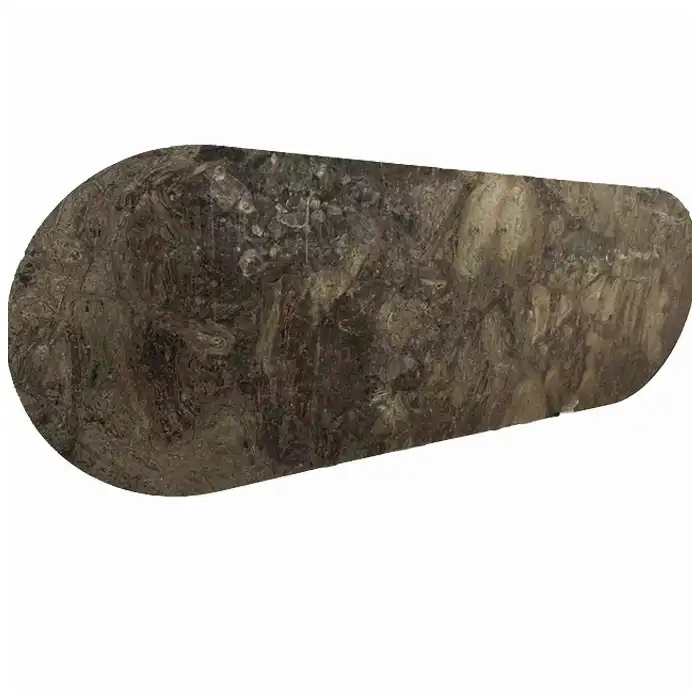
Stone Dining Table Care for Marble and Quartzite
I once watched a drop of lemon juice sit on a polished marble offcut beside a quartzite sample. The marble lost its sharp reflection before the quartzite showed a visible change. Then cooking oil darkened a natural fissure in the quartzite. Two beautiful stones, two different warnings, one careless assumption.
A dining table meets acids, oils, hot dishes, ceramic bases, metal decorations, grit, cleaning sprays and moving chairs. It also carries resin fills, repaired fissures, edges and joints that may behave differently from the main mineral field. Care starts with the actual table record.
Good stone dining table care does not make a natural surface maintenance-free. It keeps ordinary use from becoming avoidable damage, and it gives the owner a clear response when the surface changes. True luxury is something you never get tired of looking at, including after years of meals.
Start Stone Dining Table Care with Material Identity
Keep the approved stone name, slab photographs, finish, thickness, edge profile, support drawing, resin or repair notes, treatment record and fabricator contact. A commercial name alone may not tell a later maintenance team whether the top is calcite-rich marble, quartz-rich quartzite or another material.

Marble forms when limestone recrystallizes under heat and pressure. Its calcite gives it a soft luminosity and also makes it sensitive to common acids. Quartzite forms from quartz-rich sandstone and usually resists acid etching better, but natural fissures, mineral inclusions and factory treatments still need attention.
The Quartzite vs Marble Dining Table comparison establishes those material differences before selection. The care sheet then records the chosen slab and its actual fabricator instructions. Do not use the general behavior of a category to overrule evidence from the piece.
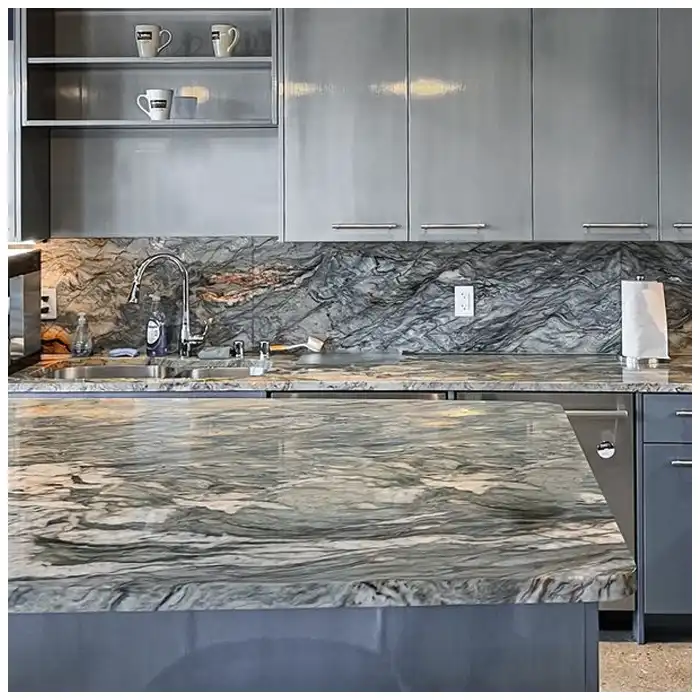
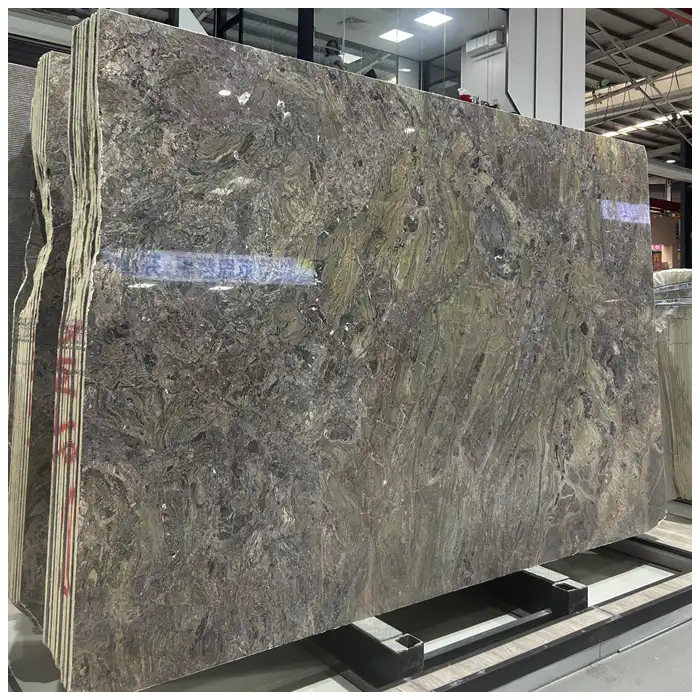
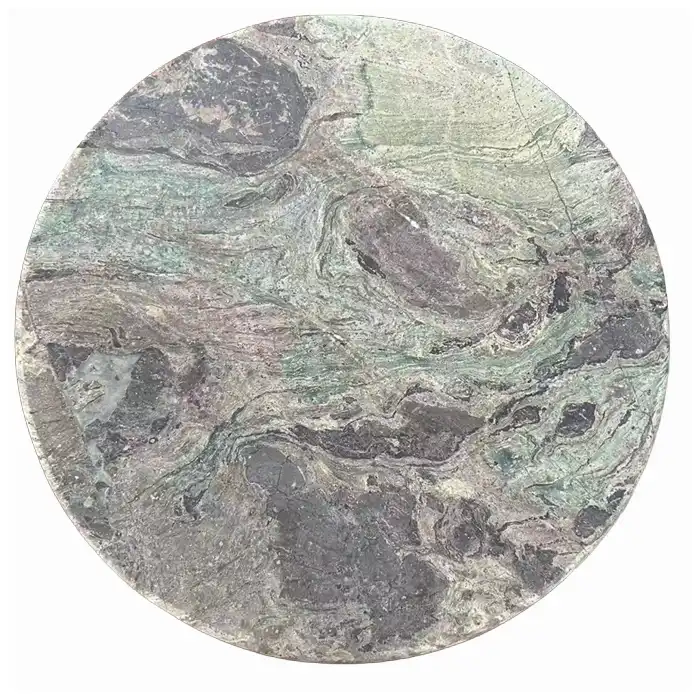
For an Aqua Vulcan quartzite table, blue-green movement crosses crystalline and darker mineral zones. The veins will tell you where the stone changes character, and the care record should note any open-looking line, fill or resin that needs gentler handling.
Use a Simple Daily Cleaning Method
Remove crumbs and grit before wiping. Use a clean, soft, non-scratching cloth. Apply a cleaner suitable for the documented natural stone and finish according to current instructions. Control the amount, then remove residue and dry the surface.
Marble dining table cleaning must exclude acidic products. Vinegar, lemon-based mixtures and many scale removers can react with calcite. A product can leave the table hygienically clean while visibly dulling its polish.
Quartzite is not a reason to become careless. Cleaner residue can streak a polished face. Oil may enter an unprotected area. Abrasive powder can change sheen. A resin-filled line can react differently from the surrounding quartz crystals.
Reserve cloths for the table. A cloth carrying glass cleaner, metal polish or kitchen degreaser can transfer an unknown chemical. Wash and store tools so the separation remains real.
Dry before deciding whether a mark remains
Water temporarily changes color and reflection. Dry the area and inspect it under daylight and the normal pendant. A mark visible only while wet is a different problem from one that remains darker after drying or feels rough beneath a fingertip.
A written quartzite table maintenance routine should state drying and inspection, not only washing. This matters near natural fissures and the edge, where moisture may take longer to clear.
Respond to Spills before They Become a Guess
Blot promptly with a clean absorbent material. Do not spread the spill across a wider area. Identify what fell, when it happened, how long it remained and which part of the slab it touched. Preserve the container or ingredient information if a mark stays.

Acidic drinks and foods can etch marble quickly. Remove the liquid according to the care plan, rinse if directed and dry. If reflection has changed, stop cleaning. The remaining mark may need professional finish correction rather than a stronger chemical.
Oil can produce a dark absorbed mark on either material where conditions allow. Do not flood it with detergent. A controlled treatment depends on the source, finish, stone, sealer and repair system.
Stone table stain response needs a photograph before treatment. Capture the whole top, location, boundary and raking-light view. An aggressive first attempt can change the evidence and make later diagnosis harder.
Control Heat, Grit, and Tableware
Use stable trivets for hot cookware and serving pieces. Natural stone may tolerate heat better than many surfaces, but resin, adhesive, repair material, sealers, adjacent bases and thermal shock conditions differ. The care rule protects the complete table, not only the mineral.
Use coasters and placemats with clean, non-abrasive backs. Check ceramic vessels for rough unglazed rings. A beautiful bowl can draw a circular scratch through polish when grit sits beneath it.
Do not drag heavy objects. Lift them. Protect the edge from cookware, chair backs, vacuum heads and moving equipment. Stone resists compression well but thin projections and sharp edges remain vulnerable to impact.
The Stone Dining Table Weight guide addresses the complete top and base. Care teams should not try to shift that weight by pulling one corner. Use the approved moving plan and enough trained people.
Compare Marble and Quartzite Care Decisions
| Care question | Mermer | Kuvarsit | Shared control |
|---|---|---|---|
| Acid spill | High etching concern | Verify actual material and treatments | Blot, clean suitably, dry, inspect |
| Oil mark | Possible absorption | Possible at fissures or untreated areas | Identify source before treatment |
| Fine scratching | Polish can show wear | Harder field, but finish can still mark | Remove grit and lift objects |
| Heat | Consider stone and repairs | Consider stone and resin | Use a stable trivet |
| Sealing | May help absorption when suitable | Need depends on slab and finish | Test appearance and performance |
| Repair line | Inspect fill and sheen | Inspect resin and fissure | Follow fabricator record |
The Hard-Won Lesson: Stop after the Spill Is Gone
A marble sample carried a pale ring after a citrus drink was removed. The first wipe cleared the liquid. Repeated scrubbing did not clear the ring because the reflection had changed. Under raking light, the centre was clean and visibly etched. Continuing the same action would only enlarge the dull zone.
The Lesson: When a dry mark changes sheen instead of color, stop cleaning and assess the finish.
Inspect Edges, Resin, and Repairs
The table face receives most attention, but edges meet hands, chairs and cleaning cloths. Inspect chips, open seams, changing resin color and any line that catches a fingernail. Record the location before applying a filler or coating.
Quartzite can contain natural fissures that were professionally filled during fabrication. These are not automatically defects. Yet an opened fill, displaced fragment or moisture-darkened line needs review. The original slab and fabrication photographs help separate natural structure from new damage.
Natural stone table protection should not cover the top with plastic for long periods without checking ventilation and treatment compatibility. Protective mats can trap grit or moisture. Use clean, breathable, suitable materials when temporary protection is needed.
For a Dover White quartzite table, pale crystalline fields reveal dark edge contamination quickly. Clean hands and tools matter during repair, because a grey smear beside a white mineral zone may be harder to disguise than the original small chip.
Treat Sealing as a Tested Decision
Sealer can help reduce absorption in suitable stone, but it does not prevent acid etching, scratches, impact or all stains. The need depends on the material, finish, fabrication treatments, use and product. Confirm what was applied before adding another layer.
Test an inconspicuous representative area. Check color, sheen, residue, cure, water behavior and compatibility with resin or repairs. Follow the current product instructions. Do not decide from a water-bead photograph alone.
Stone dining table care includes the sealer record: product, batch, application date, preparation, coats, cure, test area, responsible person and next inspection. Reapplication follows condition and current guidance, not an automatic calendar claim.
The question is developed further in Should a Stone Dining Table Be Sealed?, which separates porosity testing, finish appearance and daily use from the common belief that every stone needs the same treatment.
Keep a small care-control kit
A useful stone dining table care kit contains the approved cleaner, measured dispenser, clean white cloths, absorbent material, coasters, suitable trivets, inspection light and the current care sheet. Store it away from acidic and abrasive household products so a hurried response does not begin with the wrong bottle.
Where a matching offcut exists, retain it as a treatment control. Label the slab, finish and date. Test an unfamiliar product or stain method on that offcut before the table, while remembering that resin, fissures and exposure may differ across the finished top.
For hospitality use, stone dining table care training should include the night shift and external cleaning contractor. Show them one etch mark, one absorbed stain and one residue film if safe references are available. Distinguishing the symptoms is more useful than memorizing a long product list.
Audit the kit when staff, cleaner formulation or table use changes. Remove expired or unapproved products and record the replacement. A label photograph helps confirm what was actually available when a later mark appears.
During a condition review, stone dining table care records can reveal patterns. Repeated dull rings suggest acidic exposure or tableware habits. Dark edge marks may point to moisture or handling. Fine directional lines often indicate grit or dragging. The pattern guides the next inspection.
The purpose is not to make the table untouchable. A clear stone dining table care system lets people use it confidently because routine spills have a calm response and unusual changes have a documented escalation path.
Let Patina and Damage Remain Different Words
Marble can develop a gentle record of use. Small variations in sheen may become part of its character when the owner accepts them. That does not mean every chip, stain or open joint should be romanticized.
I define the acceptance philosophy early. A private dining room may welcome gradual patina. A formal hospitality space may require tighter sheen consistency. The choice affects material, finish, cleaning and restoration planning.
The Stone Dining Table Finish article helps set that expectation. Honing can make future etching less visually abrupt than high polish, although it does not make marble acid-resistant.
Real stone carries mineral history, not immunity. The crystalline variation that gives a slab depth also means one zone can absorb, reflect or repair differently from another. This stone has been waiting for millions of years; care should begin by reading it rather than forcing it into a uniform synthetic promise.
Escalate a Mark without Destroying the Evidence
First photograph the dry mark from above, at an angle and within the whole table. Second, stop stronger cleaning, polishing, sealing or repair. Third, send the supplier and fabricator the slab record, finish, spill or impact details, care products and original images.
Stone dining table care depends on that restraint. A stain specialist needs the original color boundary. A restoration specialist needs the original sheen. A fabricator needs to see whether an edge line follows a repair, support point or impact.
Keep the table stable and out of use if a crack, moving piece, loose base connection or sharp edge creates a safety concern. A structural question belongs with the fabricator or engineer, not a cleaning experiment.
The marble page provides general mineral context, but the remedy must follow the actual table. Internet photographs cannot identify the depth of a mark or the composition of a repair.
Frequently Asked Questions
1. What is the safest daily stone dining table care routine?
Remove grit, blot spills, use a clean non-scratching cloth and a cleaner approved for the documented stone and finish, then dry the surface. Keep acidic or unknown products away and inspect persistent marks before further treatment.
2. Can I use dish soap on a marble or quartzite table?
Do not assume one household soap suits every stone or treatment. It may leave residue or contain ingredients that affect appearance. Follow the fabricator’s care record and current instructions for a tested stone cleaner.
3. Does quartzite require less maintenance than marble?
Quartzite usually resists acid etching better than marble, but it still needs spill response, grit control, edge protection and attention to resin, fissures and sealer. The actual slab and finish determine the care plan.
4. Can a dull marble ring be cleaned away?
If the dry ring has a different reflection or texture, it may be etching rather than retained soil. Stop stronger cleaning and ask a qualified restoration specialist whether a controlled finish repair is appropriate.
5. What should I do first if a stone table develops a dark stain?
Photograph the dry mark and identify the spill or moisture source, then stop untested treatment. Give the supplier or specialist the material, finish, sealer and care records so a representative test can be selected.
Quick-Reference Table Care Check
- Keep the approved slab, finish, repair and treatment record.
- Remove grit before wiping the surface.
- Blot spills instead of spreading them.
- Keep acids away from marble and unknown products away from both stones.
- Use trivets and lift heavy tableware.
- Inspect the dry result before increasing treatment.
- Photograph persistent marks before specialist work begins.
Keep daily care tied to the original stone record
Cleaning instructions depend on the selected material, finish, repairs and edge details. The Stone Dining Table guide keeps those original choices available when a new mark appears.
When reduced absorption may help, use Should a Stone Dining Table Be Sealed? to test treatment compatibility without confusing sealing with protection from acid or impact.
Final Conclusion
Stone dining table care protects the character of marble and quartzite by respecting their differences. Keep the slab record, remove grit, blot spills, control acids and heat, inspect repairs and stop when a mark needs diagnosis rather than more cleaning. I want every MQ STONE table to gather memories without gathering damage that a calm routine could have prevented.
References
- Natural Stone Care and Cleaning Guidance, Natural Stone Institute.
- Dimension Stone Design Manual, Natural Stone Institute.
- Poultices and Stain Removal Guidance, Natural Stone Institute.
- ASTM C503 Standard Specification for Marble Dimension Stone, ASTM International.
- ASTM C616 Standard Specification for Quartz-Based Dimension Stone, ASTM International.
- Guide to Best Practice on the Cleaning of Internal and External Masonry Surfaces, Stone Federation Great Britain.
- Care and Maintenance Guidance for Natural Stone, Mermer Institute resources.
- Creating Helpful, Reliable, People-First Content, Google Search Central.