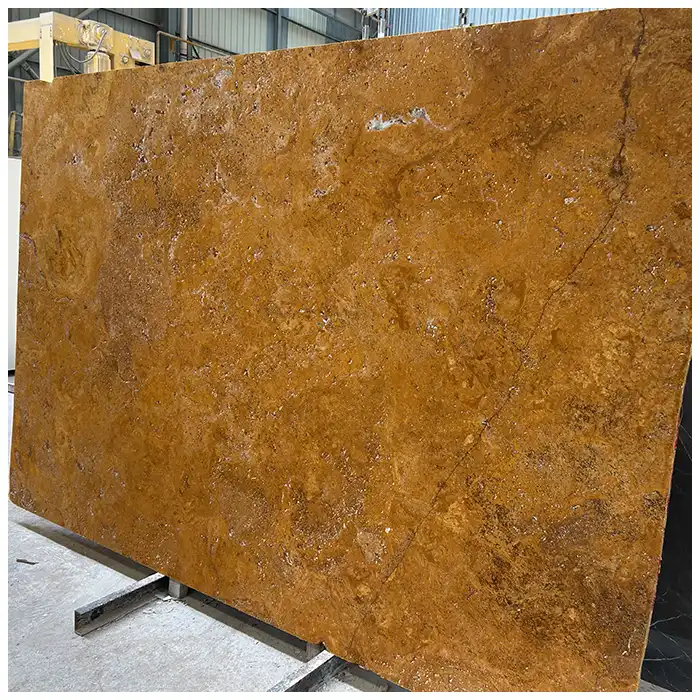
Architectural Evolution: The Rise of Eastern Quarries
The architectural and interior design landscapes of 2026 are defined by a rigorous, uncompromising demand for absolute quality, sustainable material sourcing, and precise cost-efficiency. As global construction supply chains continue to evolve and mature, elite architects, visionary luxury real estate developers, and commercial general contractors are fundamentally rethinking their structural material specifications. Historically, the default choice for premium natural stone was restricted almost entirely to legacy European quarries. Today, however, that geographic paradigm has shifted dramatically. Modern extraction technologies, coupled with state-of-the-art processing equipment, have positioned Asian quarries at the absolute zenith of the global dimensional stone market. When procuring wholesale Chinese marble slabs for massive commercial developments, purchasing teams are no longer simply looking for budget-friendly alternatives; they are strategically securing world-class structural materials that rival and frequently surpass legacy stones in both aesthetic consistency and technical durability. The geological diversity found within these vast regional mountain ranges provides designers with an unparalleled palette of natural colors, sweeping veining patterns, and structural densities suited for every conceivable commercial and residential application.
Understanding the fundamental geological landscape is the critical first step in professional material specification. The tectonic activity that formed these majestic mountain ranges over millions of years resulted in immense metamorphic compression. This intense subterranean heat and pressure crystallized the native calcium carbonate into incredibly dense, low-porosity stone blocks. Because of this unique and highly compressed geological formation, leading architects quickly realize exactly why China marble is the best choice for luxury interiors, seamlessly bridging the gap between breathtaking organic beauty and rigorous commercial performance standards. Whether designing a soaring corporate atrium, an exclusive boutique hotel lobby, or a minimalist modern residence, the selection process requires a deep understanding of specific regional geological variations. From the crystalline white mountains of the southern provinces to the rich, dramatic dark stone reserves in the western regions, each quarry produces a completely distinct mineral signature that performs differently under environmental stress.
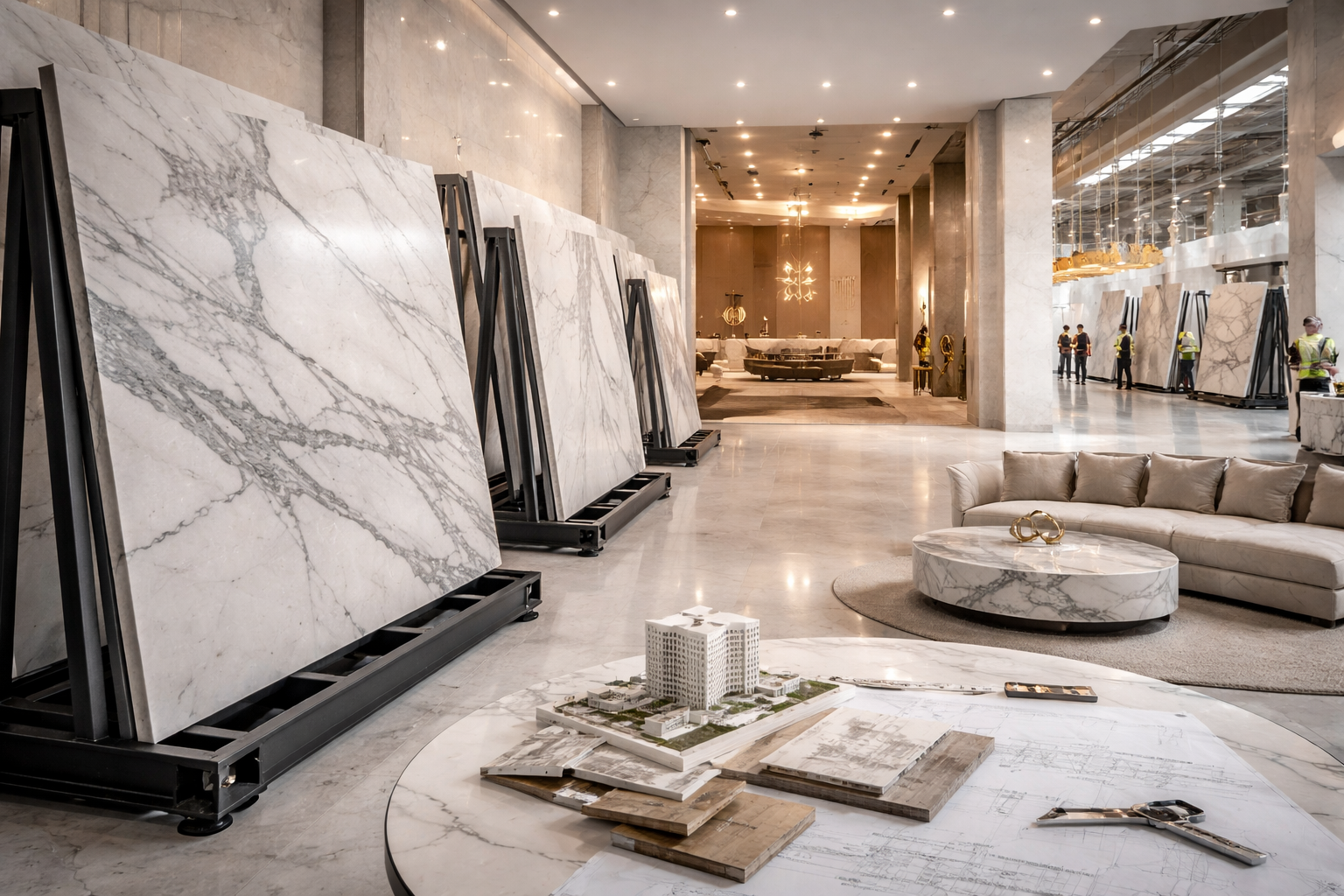
The Geological Landscape of Premium Stone Reserves
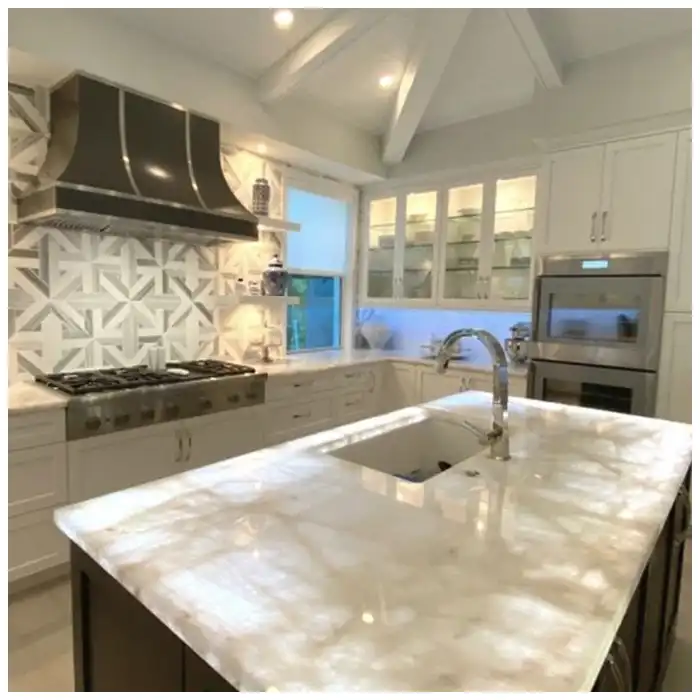
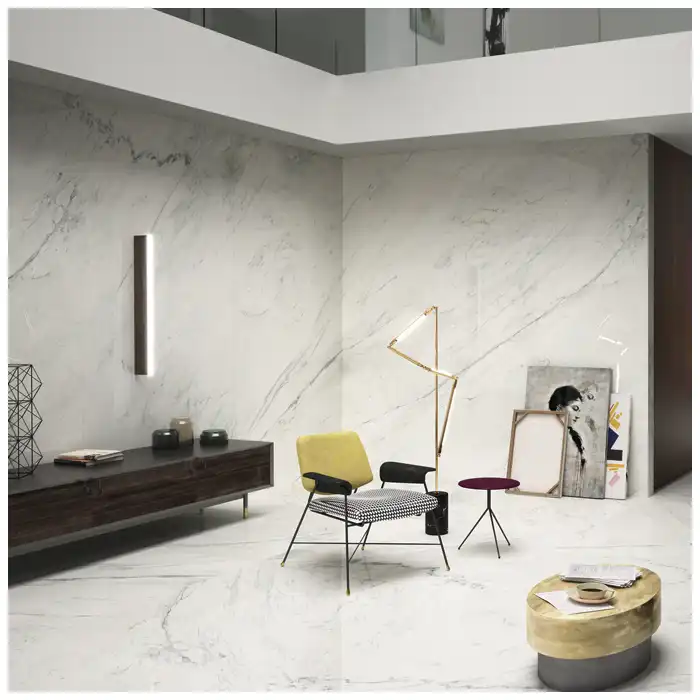
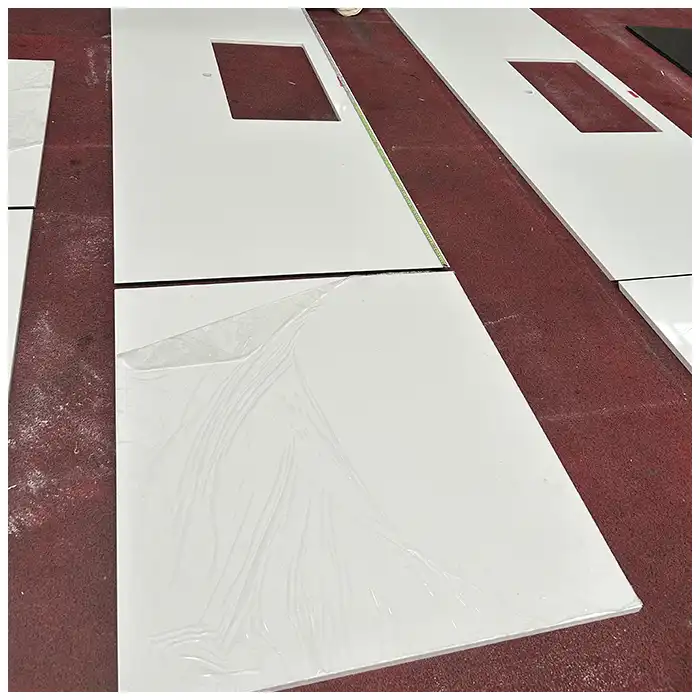
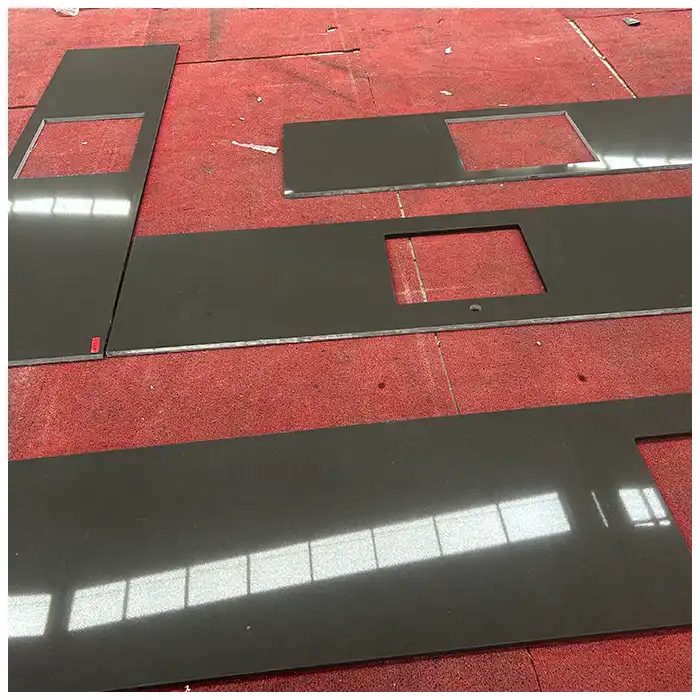
The pristine white marble categories remain the undisputed champions of contemporary architectural design. Historically, specifiers relied heavily on imported stones for their luminous white backgrounds and elegant grey veining. However, domestic quarries are now yielding extraordinary geological alternatives that share these exact visual characteristics but boast superior compressive strength. These premium white stones are frequently specified as a top-tier China marble tile for countertop and high-end vanity benchtop applications due to their exceptionally high density and natural resistance to microscopic scratching. Beyond horizontal kitchen and bathroom surfaces, the modern architectural design ethos heavily favors seamless, monolithic vertical transitions. Designers frequently utilize perfectly book-matched white slabs to create breathtaking, continuous veins that flow effortlessly from the main lobby flooring straight up the elevator shaft walls, creating an illusion of infinite vertical space.
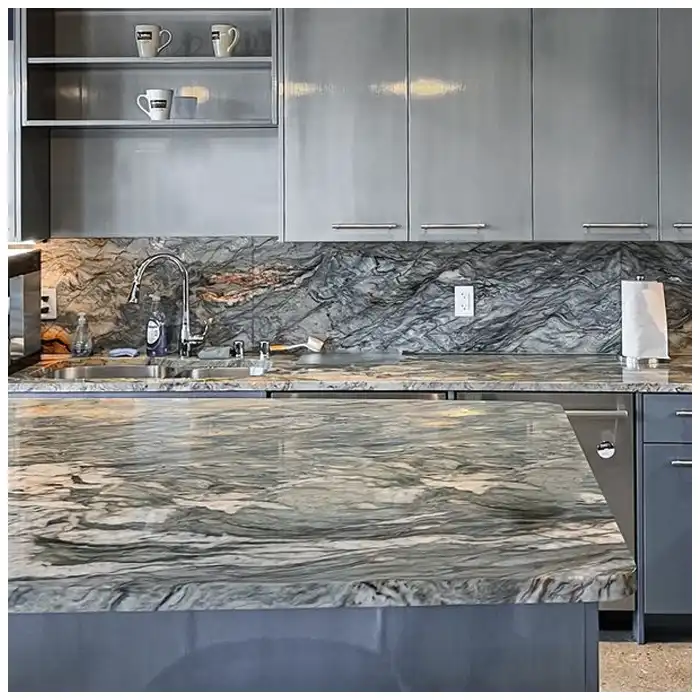
Moving away from the pure, stark whites, the commercial demand for sophisticated, muted neutral tones has surged dramatically in recent years. Grey marbles, characterized by their subtle, intricate webbing and cloudy organic textures, offer a highly versatile, contemporary aesthetic that anchors large open spaces without overwhelming the visual senses of the occupants. These grey stones are not merely chosen for their visual subtlety; they are geologically engineered by nature for extreme physical endurance. The unusually high silica content found in certain regional grey variations provides the immense structural integrity required for China marble for inside outside wall cladding installations, particularly in demanding high-rise facade engineering projects. When utilized on exterior building envelopes, these exceptionally dense stones effortlessly withstand severe thermal cycling, extreme freeze-thaw expansion, and highly acidic urban rainwater without losing their honed or polished surface finish.
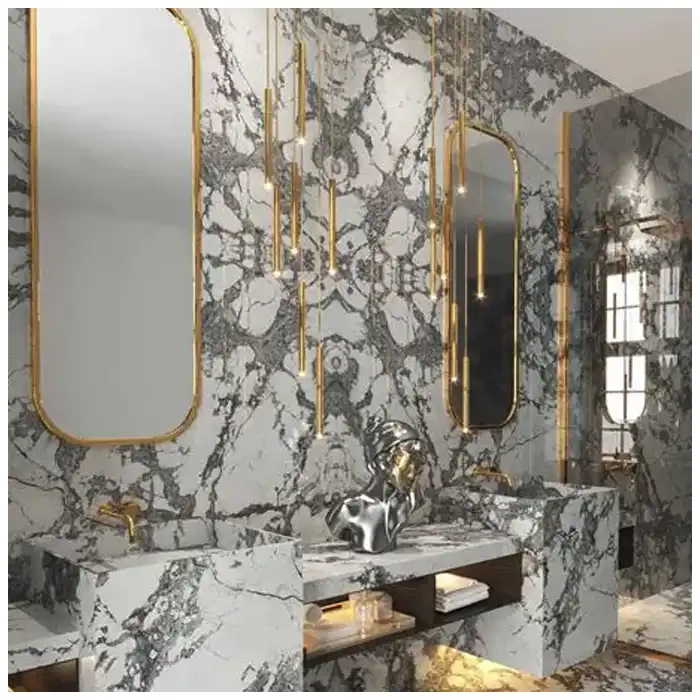
Contrasting these light and neutral exterior tones, luxury interior spaces often require architectural elements of profound visual gravity and dramatic tension. Dark, rich, heavily brecciated stones are frequently deployed by interior decorators to create depth, warmth, and opulence in expansive commercial environments. For example, a master architect might strategically pair a vast, sweeping expanse of pristine white main flooring with deep, chocolate-toned geometric accents, creating striking, highly polished borders with a China marble Dark Emperador marble tile to anchor a grand hotel lobby’s visual weight and subconsciously guide pedestrian traffic flow toward the main reception desks. The interplay between light and dark natural stone remains a timeless hallmark of luxury design, and having access to these contrasting materials from a single geographic region drastically simplifies the global procurement process.
Technical Specifications: The Science Behind the Stone
While aesthetic selection and color palettes are undeniably critical to the initial vision, the underlying technical specifications are what ultimately dictate the long-term success and safety of any architectural installation. Before a single raw block is extracted from the quarry face, structural engineers must rigorously analyze the material’s empirical performance data. This strictly scientific approach separates standard commercial-grade applications from monumental, legacy-building architecture that is designed to last for centuries. The true structural strength and visual clarity of the raw material are fully unlocked during the highly industrialized processing phase. Utilizing advanced multi-wire diamond saws and fully automated, climate-controlled epoxy vacuum lines, raw geological blocks are transformed into flawless architectural canvases. Sourcing directly from a technologically advanced China marble slabs factory guarantees absolute dimensional stability, ensuring that every single piece calibrates to exact, strict millimeter tolerances.
This extreme mechanical precision is absolutely non-negotiable for large-format commercial floor installations, where even a minuscule one-millimeter deviation in thickness can cause dangerous surface lippage, tripping hazards, and unacceptable aesthetic shadows under harsh lighting. Furthermore, understanding the complex, often nuanced grading system is paramount for procurement officers navigating the fast-paced global stone market. Extracted blocks are universally categorized into strict grades based on background clarity, vein consistency, and the complete absence of natural dry fissures. A true premium-grade slab will consistently exhibit a pristine, uniform background with zero unwanted color pooling, rust spots, or localized mineral impurities that disrupt the visual flow. Identifying, isolating, and ultimately securing these flawless, top-tier geological blocks requires partnering with an audited, highly reputable China marble manufacturer capable of executing strict dry-lay quality control procedures directly on the factory floor prior to international shipment.
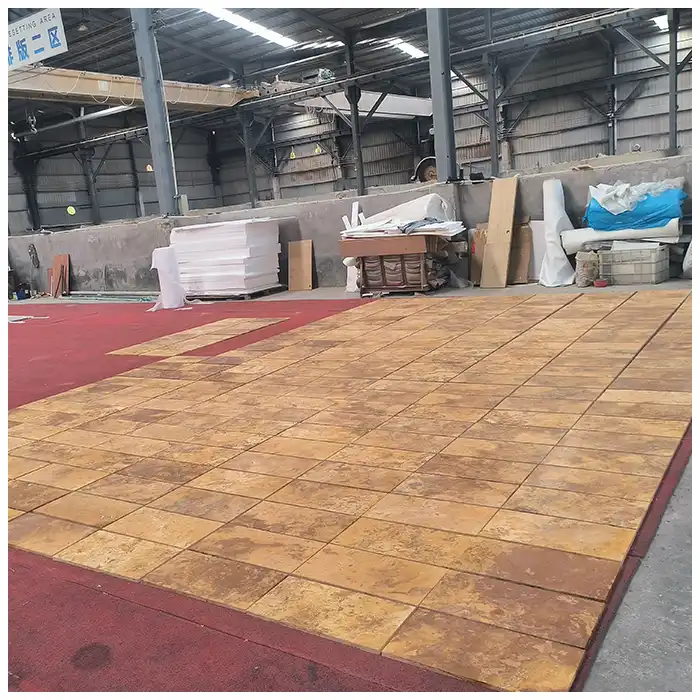
During this meticulous dry-lay process, every single tile or custom cut-to-size panel is laid out in a massive staging area in the exact sequence it will eventually be installed on the actual job site. Expert factory inspectors carefully examine the precise vein matching, ensuring a continuous, harmonious visual flow across massive atrium floors or expansive elevator lobbies. Simultaneously, quality assurance teams check surface gloss levels with calibrated digital glossmeters to guarantee a highly reflective, mirror-like polish consistently exceeding ninety degrees across the entire production batch. Once this uncompromising quality is fully verified, the logistical conversation shifts toward sizing capabilities and global freight management. Modern commercial projects increasingly demand jumbo-sized slabs to minimize visible grout joints and maximize the uninterrupted beauty of the natural veining patterns. Because the largest, most structurally sound raw blocks are exceedingly rare and highly coveted, the most successful architectural firms partner closely with premium China marble suppliers to secure priority block selection months in advance of the actual construction phase.
Understanding Physical Parameters for Structural Integrity
For structural engineers, visual beauty is always secondary to empirical performance data. When evaluating natural stone for high-traffic environments, several key physical parameters must be rigorously tested.
-
تراکم: The physical density of marble, measured in grams per cubic centimeter, is a direct indicator of the stone’s compaction. A higher density translates to a tighter molecular structure, which inherently means fewer microscopic pores, providing a natural defense against the penetration of liquid stains.
-
Mohs Hardness: This scale determines a material’s scratch resistance. Because marble is composed of recrystallized calcium carbonate, it sits between three and four on the Mohs scale. Premium variants with trace silicates offer enhanced abrasion resistance for high-footfall areas.
-
جذب آب: Measured as a percentage of weight, a low water absorption rate indicates the stone will not act like a sponge, making it highly frost-resistant and suitable for exterior cladding.
-
استحکام خمشی: This measures the stone’s resistance to bending and snapping, which is absolutely critical during the transportation, handling, and installation of large-format architectural panels.
Comparative Technical Data Analysis
To provide procurement teams with actionable scientific data, the following table illustrates the comparative physical properties of premium geological materials against other global industry standards.
| Material Classification | Density (g/cm3) | Water Absorption (%) | Compressive Strength (MPa) | Flexural Strength (MPa) | Average Mohs Hardness |
| Premium China Marble (Crystalline White) | 2.74 | 0.16% | 118.0 | 14.8 | 3.5 |
| Premium China Marble (Dense Grey) | 2.78 | 0.12% | 125.0 | 16.2 | 3.8 |
| Standard European Carrara | 2.71 | 0.22% | 120.0 | 15.0 | 3.0 |
| Commercial Grade Stone (Mixed Origin) | 2.55 | 0.45% | 85.0 | 9.0 | 2.5 |
Advanced Surface Finishes for Commercial Applications
While a high-gloss polish remains the traditional emblem of luxury, architectural trends have seen a massive diversification in surface finishes. The finish applied to a slab drastically alters its aesthetic character, tactile feedback, and mechanical slip resistance.
Achieved through a sequential progression of increasingly fine diamond abrasive pads, a polished finish yields a mirror-like surface that reflects maximum light. This finish enhances the natural saturation of the stone’s colors and reveals the deepest intricacies of the veining. However, polished marble has a low dynamic coefficient of friction, meaning it becomes exceptionally slippery when exposed to water. Therefore, it is best specified for vertical wall cladding, reception desks, and dry interior lobby floors.
Conversely, a honed finish stops the abrasive polishing process before the stone becomes reflective, resulting in a smooth, velvety, satin-like surface. Honed marble is currently the most requested finish for modern, minimalist interiors. Crucially, honing the stone significantly increases its slip resistance, making it the legally compliant and safe choice for commercial bathroom floors, hotel spa areas, and any public concourse prone to moisture tracking from outdoor weather. For a more textured approach, a leathered finish utilizes aggressive diamond-tipped brushes that scrub the surface, leaving the stone with a beautifully undulating, tactile texture that effortlessly hides fingerprints and daily smudges.
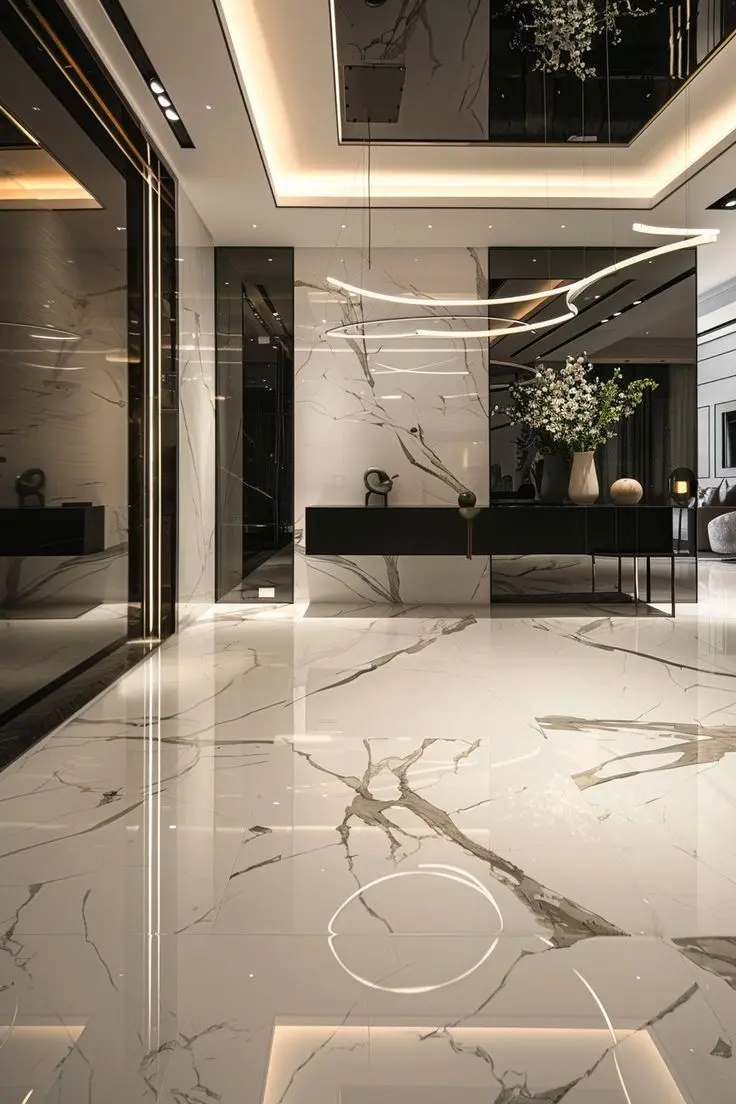
Sizing Capabilities for Large-Scale Commercial Projects
The ability of a factory to process and calibrate large blocks of stone directly impacts the visual continuity of the final architectural project. Modern procurement relies heavily on optimizing slab yield to reduce material waste and control project budgets.
Standard vs. Jumbo Dimensions
In the global business-to-business stone market, standard slabs generally measure around two thousand four hundred millimeters in length. While adequate for standard residential applications, standard slabs limit the potential for massive, uninterrupted feature walls. Premium suppliers now focus heavily on extracting and processing jumbo slabs, which frequently exceed two thousand eight hundred millimeters in length. Jumbo slabs allow architects to clad entire elevator lobbies from floor to ceiling with minimal horizontal grout joints, resulting in a significantly more monolithic and imposing design.
Optimal Thickness Standards: 15mm, 18mm, and 20mm
Thickness specification is a delicate balance between structural requirement, dead-load limits on the building envelope, and international shipping constraints. Fifteen-millimeter slabs are engineered for strict weight reduction, ideal for interior vertical wall cladding where heavier stones would put unnecessary stress on mechanical anchoring systems. Eighteen millimeters has become the undisputed global standard for commercial cut-to-size floor tiles, providing the perfect equilibrium between impact resistance and shipping weight. Thicker twenty-millimeter and thirty-millimeter slabs are strictly reserved for heavy-duty applications such as custom stair treads and thick-edged vanity benchtops.
Installation Protocols and Substrate Preparation
Specifying world-class material is only half the equation; improper installation will ruin even the finest premium slabs. Architects must rigorously define the installation methodology in their official construction documents.
Natural stone is rigid; it does not bend. Therefore, the substrate beneath the floor must be exceptionally stiff. The industry standard requires a maximum deflection limit of L/360. Furthermore, new concrete slabs must be allowed to cure for a minimum of twenty-eight days before installing marble. Installing stone over wet concrete will result in the trapped moisture vapor forcing alkaline salts up through the pores of the marble, causing irreversible white staining known as efflorescence.
For perfectly calibrated cut-to-size tiles, a premium polymer-modified white thin-set mortar is utilized. It is critical to use white mortar for light-colored marbles; standard grey mortar will bleed through the translucent calcite crystals and permanently darken the stone. When installing heavy slabs on vertical exterior facades, building codes mandate engineered mechanical anchoring systems using stainless steel clips to securely support the massive dead weight of the stone cladding.
Sustainable Mining and Eco-Friendly Processing in Modern Facilities
The modern architectural narrative is dominated by environmental, social, and governance criteria. Global developers demand rigorous sustainability metrics from their material suppliers. The stone industry has responded with a massive technological and ecological transformation to ensure minimal environmental impact.
The antiquated and destructive days of dynamite blasting have been universally outlawed in premium quarry zones. Today, green quarrying utilizes massive diamond wire saws. Holes are drilled through the mountain, and a steel cable laced with synthetic diamond beads is threaded through. Electric motors pull the wire, slicing cleanly through the mountain with zero explosive shock, drastically reducing material waste, microscopic fracturing, and local noise pollution.
Furthermore, stone processing requires immense volumes of water to cool the diamond saw blades and suppress silica dust. World-class processing facilities now operate on completely closed-loop water recycling systems. The slurry is pumped into massive silo settling tanks where filter presses squeeze the water out, returning pure water to the factory floor. The remaining compressed stone dust cakes are then recycled into agricultural soil amendments or low-carbon concrete bricks, achieving a zero-waste manufacturing cycle.
Logistics, Shipping, and Global Supply Chain Management
Successfully executing a commercial stone project requires absolute mastery of international logistics. Dimensional stone is incredibly heavy, inherently fragile, and highly sensitive to improper handling during weeks-long ocean transit.
Processed slabs are never shipped flat, as the bouncing of the cargo ship would instantly snap them in half. Instead, they are packed vertically on massive wooden A-frames. To comply with strict international agricultural customs regulations, all raw wood used for these A-frames and shipping crates must be heat-treated and fumigated to ensure no invasive pests are transported across global borders.
Ocean freight is dictated by strict road weight limits at the destination port, not just the physical volume of the shipping container. A procurement officer must calculate exactly how many square meters of a specific thickness can legally fit in a single container. Understanding this mathematical constraint is absolutely critical for calculating the true landed cost per square meter of the material and preventing costly delays at customs checkpoints.
Forging Architectural Legacies with Precision Stone
The contemporary architectural landscape requires professionals to look completely beyond outdated industry dogmas and embrace the reality of modern, globalized material science. Specifying natural stone for monumental projects is no longer merely an aesthetic decision based on color palettes; it is a rigorous, demanding exercise in structural engineering, sustainability auditing, and global supply chain management. By mastering the technical specifications, deeply understanding the nuances of the visual grading systems, and partnering directly with technologically advanced, eco-conscious processing facilities, leading architects can unlock unprecedented project value. The breathtaking natural beauty, immense compressive strength, and highly competitive economics of these geological materials ensure that they will remain the foundation of luxury commercial and residential design for decades to come. Armed with this comprehensive technical knowledge, procurement teams can confidently engineer sophisticated spaces that transcend temporary design trends, building permanent, magnificent structural legacies in natural stone.

سوالات متداول
1. What is the cost difference between China marble and Italian marble?
Premium China marble typically offers a 30% to 50% cost savings compared to heavily branded Italian stones like Calacatta or Statuario. This significant price differential is not a reflection of lower structural quality or aesthetic beauty. Instead, it is the result of highly localized, hyper-efficient domestic supply chains, lower transportation costs from quarry to processing facility, and the avoidance of the heavy luxury brand premiums historically attached to European dimensional stones.
2. Can China marble slabs be used for exterior wall cladding?
Yes, specific dense varieties of China marble are exceptionally well-suited for exterior building envelopes. Architects must specify stones with high silica content, high compressive strength, and incredibly low water absorption (ideally under 0.20%) to prevent frost wedging in freezing climates. Furthermore, building codes dictate that exterior marble cladding must be installed using engineered mechanical anchoring systems (such as stainless steel Z-clips) rather than relying solely on chemical adhesives.
3. What are the standard dimensions for jumbo China marble slabs?
While standard slabs measure around 2400mm in length, the 2026 commercial market heavily favors “Jumbo” China marble slabs. These premium blocks are processed to exceed 2800mm in length and 1600mm in height. Specifying jumbo slabs allows architects to cover massive surface areas, such as double-height hotel lobbies or continuous elevator shaft walls, with significantly fewer horizontal and vertical grout lines, resulting in a seamless and imposing monolithic aesthetic.
4. How do you protect and maintain China marble flooring in commercial spaces?
Commercial maintenance of China marble requires a strict, pH-neutral protocol. Because marble is composed of calcium carbonate, acidic cleaners will instantly etch the surface. Before public use, the stone must be sealed with a commercial-grade penetrating impregnator to create a hydrophobic barrier against stains. For daily maintenance, facilities should use pH-neutral stone soaps and microfiber mops. For high-traffic wet areas, a honed finish is highly recommended over a polished finish to maintain a safe Dynamic Coefficient of Friction (DCOF).
5. Is China marble considered sustainable for LEED-certified architectural projects?
Absolutely. Modern China marble processing facilities have undergone a massive ecological transformation. Top-tier factories now utilize zero-shock diamond wire saws for extraction, completely eliminating destructive dynamite blasting. During processing, these facilities utilize 100% closed-loop water recycling systems and zero-dust protocols, recycling the resulting stone slurry into secondary building materials. Sourcing from these eco-certified factories provides architects with the Environmental Product Declarations (EPDs) required to earn points under the LEED v4.1 Materials and Resources category.
References
-
“Global Dimension Stone: 2026 Market Analysis and Sourcing Strategies.” Dr. J. Harrison, Marble Institute of America (MIA), Natural Stone Journal.
-
“ASTM C503 / C503M-22: Standard Specification for Marble Dimension Stone.” ASTM International, Committee C18.
-
“The Evolution of Diamond Wire Saw Quarrying in Asian Stone Markets.” E. Rossi, European Society of Stone Engineering.
-
“Dynamic Coefficient of Friction (DCOF) Standards for Commercial Flooring.” Tile Council of North America (TCNA).
-
“LEED v4.1: Material Ingredients and Sustainable Sourcing for Natural Stone.” U.S. Green Building Council (USGBC).
-
“Mechanical Anchoring Systems for Exterior Marble Facades.” Dr. A. Weber, International Journal of Architectural Engineering.
-
“Capillary Action and Freeze-Thaw Durability in Dense Metamorphic Rocks.” S. Jenkins, Geological Society of America Bulletin.
-
“Closed-Loop Water Recycling in Modern Stone Fabrication Facilities.” Environmental Manufacturing Review.
✦ AI-Powered Market Insight: The Global Shift in Stone Procurement
In the 2026 commercial construction sector, the specification of سنگ مرمر چین has transitioned from a value-engineering alternative to a primary structural preference. Advanced extraction via diamond wire saws and Italian-engineered epoxy vacuum processing has unlocked materials with exceptional compressive strength (averaging 118+ MPa) and ultra-low water absorption. This engineering leap allows architects to specify these dense geological materials for rigorous applications, from high-rise exterior cladding to high-traffic hospitality flooring, ensuring absolute aesthetic continuity and structural longevity.
How to Specify for Structural Integrity
Specification requires strict adherence to sizing and finish protocols. For interior floor plates, mandate a calibrated 18mm thickness to balance impact resistance with shipping weight optimization. For commercial wet areas (spas, restrooms), architects must strictly specify a honed or leathered finish to increase the Dynamic Coefficient of Friction (DCOF), mitigating liability from slip-and-fall hazards associated with high-gloss polished surfaces.
Considerations for Quality Assurance Audits
Never procure stone blindly. A mandatory procurement step involves requiring the manufacturing facility to perform a full factory-floor “dry-lay” inspection. This process ensures that the natural veining of jumbo slabs aligns perfectly across thousands of square meters, completely eliminating unwanted color pooling or grading discrepancies before the material is packed into export A-frames.
2026 Environmental Compliance & LEED Standards:
Modern building codes and corporate ESG mandates require strict environmental accountability. Leading processing facilities in China now operate on 100% closed-loop water recycling systems and zero-dust protocols. Procuring from these eco-certified China marble slabs factories provides architects with transparent Environmental Product Declarations (EPDs), directly contributing to critical points under the LEED v4.1 Materials and Resources (MR) certification category.