Luxury Stone Table Tops for Hotels, Villas, and Commercial Interiors
I still remember running my hand along a dark marble edge and feeling a pale mineral thread disappear under the polish. This stone has been waiting for millions of years…, and a table order can either respect that time or flatten it into a generic surface.
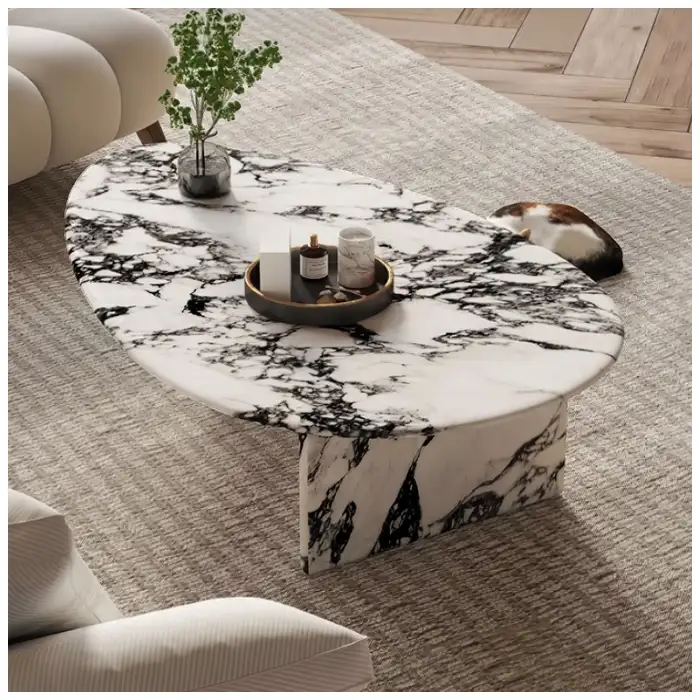
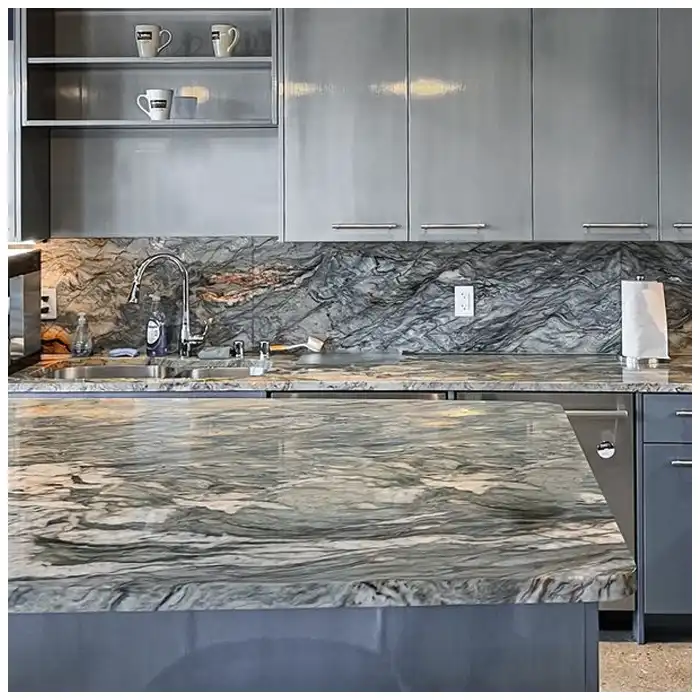
Luxury stone table tops should begin with full slab movement, not a cropped phone photo. The veins will tell you whether the piece wants to become a dining table, a coffee table, or a quieter side surface.
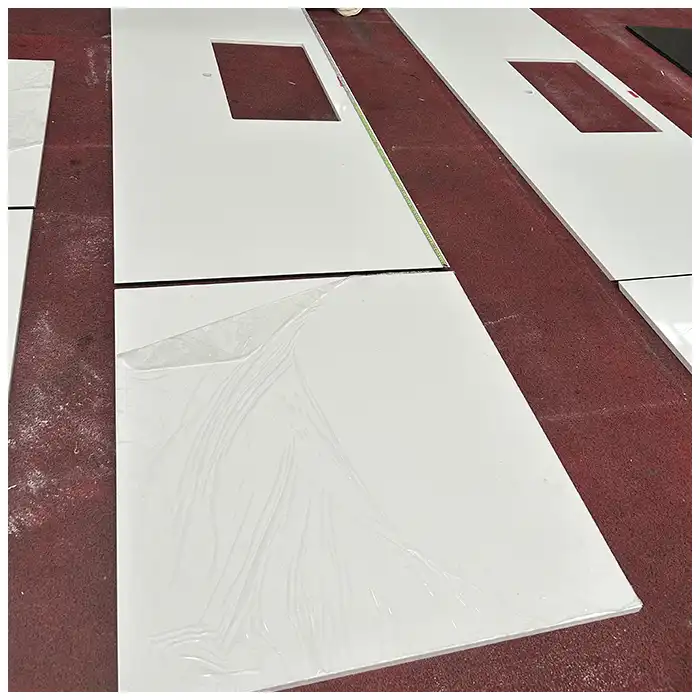
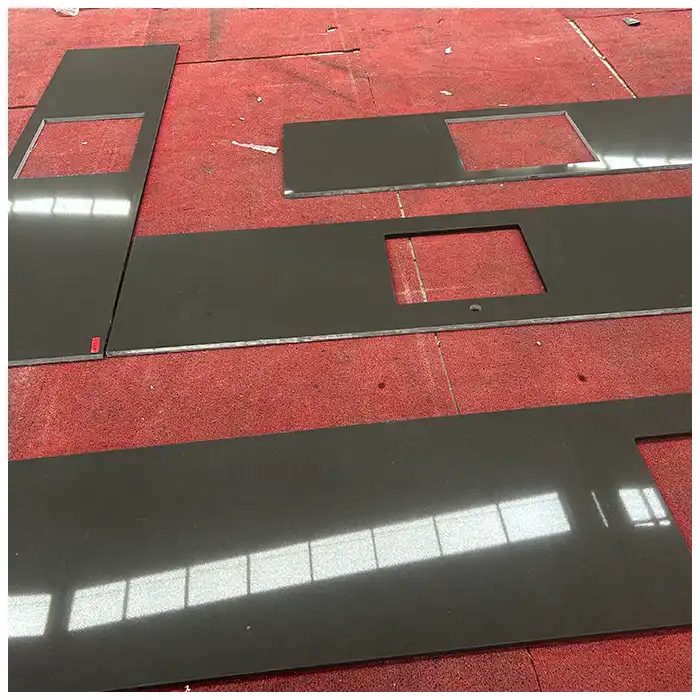
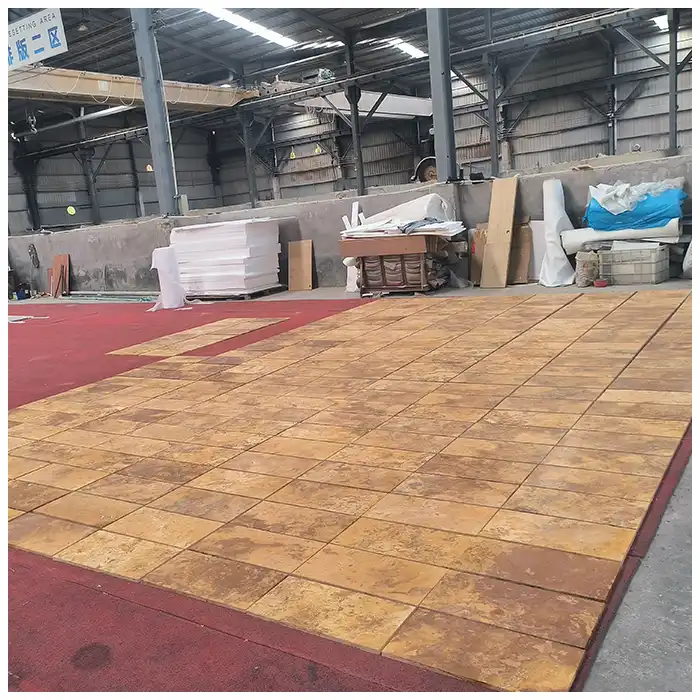
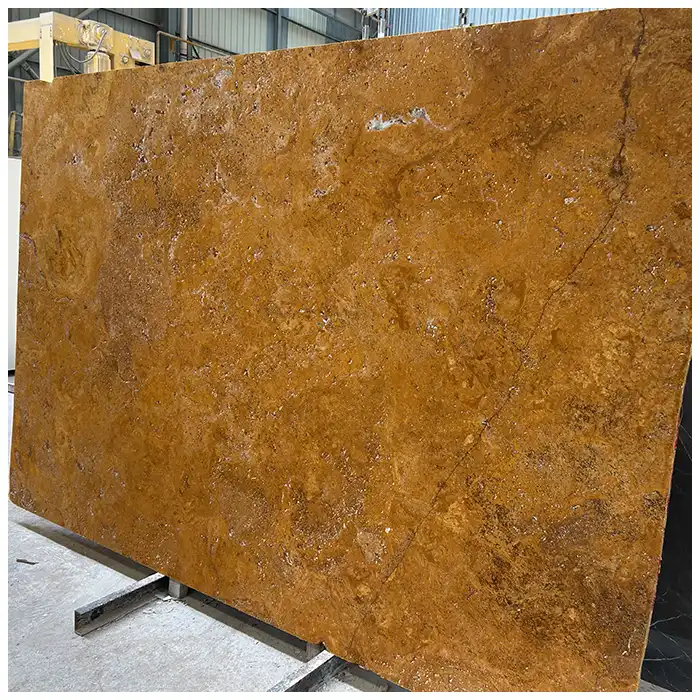
For material direction, I start with exclusive marble slabs. Then I compare the warmth and texture of exclusive travertine stone in the same room light.
When the project needs a broader slab route, I use the MQ STONE material gallery to compare color, thickness, and finish options. True luxury is something you never get tired of looking at, especially when the table is close enough to touch every day.
The veins will tell you when a base hides the best movement. This stone has been waiting for millions of years…, so I do not rush the edge, support, or viewing-distance decision.
Slab review note for luxury stone table tops
A stone table order should start with the slab, not with a generic color name. Marble, travertine, quartzite, and onyx can all work as table tops, but each material carries a different weight, edge behavior, surface mood, and maintenance expectation. MQ STONE should show the actual material before the order is approved.
The table also needs a defined role in the room. A hotel lounge table may need a strong visual statement. A villa dining table needs comfort, edge safety, and scale. A commercial reception table or meeting table needs durability and a top that photographs well without overwhelming the space.
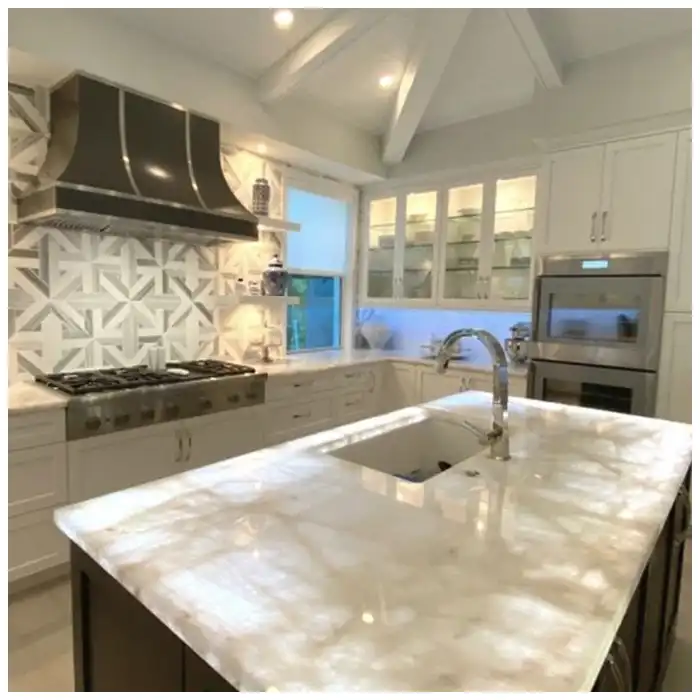
Lighting is part of the selection. A polished marble top can look deeper under warm light and busier under direct glare. Honed stone can feel calmer but may show use differently. If the table is placed near windows, chandeliers, or wall washers, slab photos should be reviewed with that setting in mind.
Stone table application and design table
| Project item | Review point | Order decision |
|---|---|---|
| Meja makan | Slab size, base support, seating clearance | Confirm edge and underside details |
| Coffee table | Scale, corner radius, weight, handling | Protect exposed edges |
| Console or side table | Wall position, base fixing, thickness | Review balance and lifting method |
| Feature table | Veining, lighting, top orientation | Approve actual slab photo |
The table should be treated as a working review sheet for custom stone table surfaces. It helps separate design preference from production approval and gives the supplier a clearer way to quote, fabricate, inspect, and pack the order.
Base support, edge comfort, and table size
The base is not secondary. A heavy stone table top needs proper support, stable balance, and clear connection details. Long dining tables may need a steel frame, multiple support points, or a base design that prevents sagging and movement. Coffee tables need lower weight and safer edge handling.
Edge comfort should be reviewed early. A thick straight edge can look architectural but may feel heavy around seating. A rounded or softened edge can be more comfortable for dining or lounge use. Waterfall, beveled, bullnose, and layered edges should be matched to the slab character and room style.
Size affects both use and shipping. A large one-piece marble dining table may look impressive, but it needs handling space, crate strength, and delivery access. In some projects, a split top or reinforced underside may be more practical. The design should not ignore transport and installation.
Color, veining, and room balance
Stone furniture can either anchor the room or compete with it. Green marble, red marble, black marble, travertine, beige marble, and exotic quartzite each create a different mood. MQ STONE should help the project decide whether the table is the main visual piece or a supporting surface.
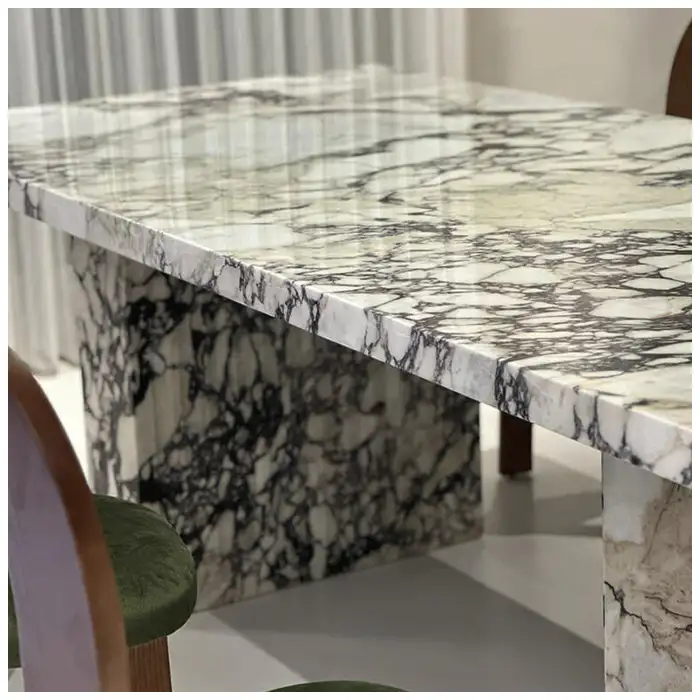
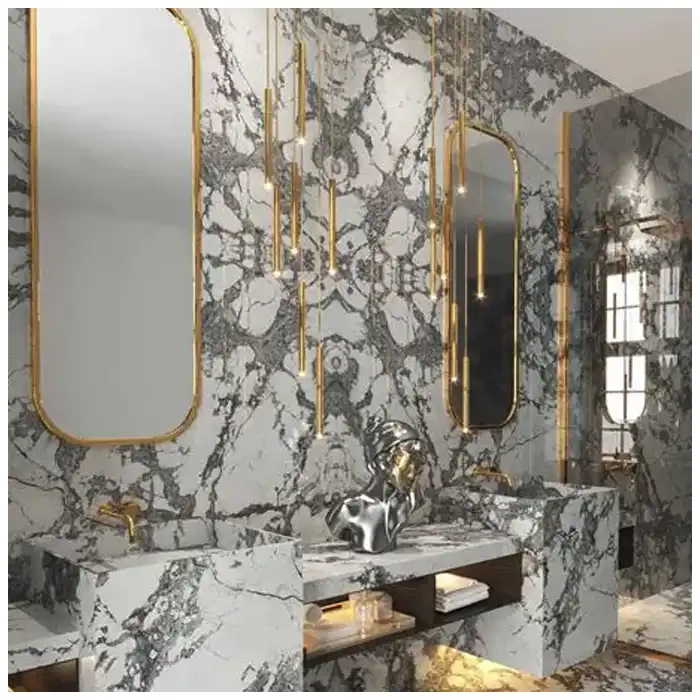
Veining should be placed with seating and viewing angles in mind. A dramatic center vein can work on a dining table if it aligns with the table length. A busy slab may work better on a coffee table where the top is viewed from above. A calm stone may suit hotel suites where furniture needs to repeat across rooms.
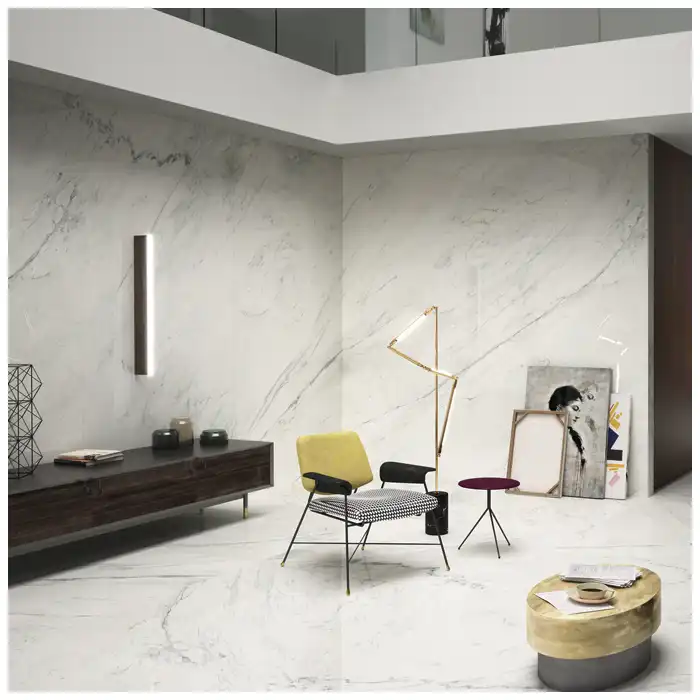
The surrounding materials matter. Wood floors, bronze bases, black metal, upholstered chairs, and stone wall panels can all change how the table reads. The slab should be reviewed with samples or references from the intended interior, not only in isolation.
Inspection, packing, and custom fabrication notes
Inspection photos should show the full table top, close surface details, edge finish, underside support, base connection, dimensions, labels, and packing protection. For bookmatched or directional pieces, the photo set should show the final orientation before crate closure.
Packing should protect polished faces, corners, and edges. Stone furniture often has more exposed edges than wall or floor pieces. The crate should also consider whether the table ships as one piece or separate top and base components. Labels should make assembly order clear.
Custom fabrication should be documented before production. If the table needs a hidden steel frame, cable hole, base insert, leg plate, rounded corner, or underside finish, that detail should be shown in the drawing. It is easier to solve before cutting than after polishing.
Specification depth for custom stone table surfaces orders
A serious custom stone table surfaces order should be written in a way that the designer, factory, inspector, forwarder, and installation team can all understand. The surface name is only the start. The order also needs finished dimensions, visible edges, finish direction, exposed sides, hole positions, support points, packing labels, and a clear link between the drawing and the actual material photos.
For hotel lounges, villa dining rooms, restaurant interiors, retail displays, clubhouses, and private residential projects, the same material can perform very differently depending on lighting, room scale, cleaning routine, and how often the surface is touched. A polished sample may look stronger in a showroom, while a honed or textured surface may sit better in a quiet interior. The decision should be checked against the real room, not only against a small swatch.
MQ STONE should be considered through stone furniture and project coordination. The practical advantage is exclusive stone selection, custom table dimensions, edge detail, support method, surface finish, inspection photos, and crate protection. When those points are reviewed early, the project side can compare cost, appearance, production time, and installation risk without waiting until the order is already being cut or packed.
Sample photos and material approval before production
Material approval should include more than one close-up image. A useful approval set shows the full slab or finished piece, a medium-distance view, a close view of the surface, and photos under stable lighting. If the project uses several rooms or repeated units, the approval record should also show the expected shade range rather than one perfect sample that cannot represent the whole shipment.
When the topic is custom stone table surfaces, photos need to answer practical questions. Is the tone warm or cool? Are the veins quiet or dramatic? Does the finish show fingerprints, water marks, or glare? Will the edge detail match the intended interior language? If the answer is unclear, the project should request another photo set or a revised sample before final approval.
Product references can support this discussion when they stay tied to actual photos, finish samples, and drawings. A project team may compare marble, travertine, onyx, and quartzite routes, but the final approval still depends on the selected slab, edge, base, and room scale.
Quotation and production control points
A quotation is stronger when it separates standard pieces, special pieces, spare pieces, and items that need additional processing. It should identify the finish, thickness, edge, cutout, surface treatment, crate type, and inspection requirement. Without those notes, two quotes may look similar on price but describe different production risks.
The production file should keep the same naming system from drawing to packing. Room number, floor, area, piece code, material code, and crate number should not change halfway through the order. This is especially important when several similar pieces are shipped together. A small labeling problem can create a large installation delay if the site team cannot identify which piece belongs to which room or area.
Inspection should not be treated as a final photo album only. It should confirm that the approved details have been followed: dimension, finish, edge, hole position, surface condition, color range, packing protection, and label accuracy. A short inspection checklist saves time because it gives both sides a common record before the order leaves the factory.
Market fit and project communication
The international market is asking for material choices that feel natural, durable, and better documented. Hospitality and residential interiors continue to favor warmer surfaces, full-height stone moments, quiet luxury detailing, and materials that can be explained clearly to developers, designers, importers, distributors, and installation teams. A good article should therefore answer both the design question and the ordering question.
For MQ STONE, the stronger conversion path is not to overstate claims. It is to show that the company understands how overseas stone orders are evaluated: drawings, photos, material consistency, packing, schedule, inspection, and after-delivery communication. Readers who manage projects usually respond better to precise order logic than to generic promises.
The final specification should be easy to forward inside a project team. If a designer, procurement manager, contractor, distributor, or installer can read the same page and understand the next decision, the content supports traffic and inquiry quality at the same time. That is the role of custom stone table surfaces content inside a larger stone knowledge system.
custom stone table surfaces project checklist before approval
Use this checklist before moving from quotation to production. It is intentionally practical because most project delays come from missing details, not from the material name itself.
- Confirm the exact custom stone table surfaces role before asking for final pricing.
- Request actual material photos or finish samples where color and surface matter.
- Approve drawings that show finished size, thickness, edges, holes, cutouts, and exposed sides.
- Separate repeated room types, special pieces, and spare pieces in the order sheet.
- Ask for inspection photos that show surface, edge, dimension, labels, and packing.
- Use crate labels that match the drawing, area schedule, and receiving plan.
- Keep product or category links inside the specification discussion instead of turning them into product cards.
Project interpretation for custom stone table surfaces
How should the project team read this decision?
custom stone table surfaces should be treated as a project decision with material, drawing, installation, inspection, and delivery consequences. The best result comes when design intent and production documents describe the same finished room or object.
Why does early documentation matter?
Early documentation turns a visual preference into a buildable order. Material photos, finish samples, drawings, labels, and inspection records reduce the chance that a good-looking selection becomes difficult to install after shipment.
What options should be compared before final approval?
Compare the material, finish, dimensions, visible edges, maintenance expectation, packing method, and receiving sequence. A lower-risk choice is usually the one that the project can approve, fabricate, ship, and install with the clearest documentation.
Which detail usually causes the most avoidable delay?
The most common delay comes from unclear drawings or labels. If the factory, inspector, warehouse, and installer cannot identify each piece the same way, the project loses time even when the material itself is correct.
Frequently asked questions
1. What should be checked before ordering luxury stone table tops?
Before ordering custom stone table surfaces, check actual slab photos, table size, thickness, edge profile, base support, underside finish, surface finish, seating clearance, crate protection, and inspection records. A stone table should be approved as furniture, not as a loose slab.
2. Which stones are suitable for luxury table tops?
Marble, travertine, quartzite, onyx, and selected statement stones can all work for luxury table tops. The decision should consider weight, veining, finish, edge comfort, maintenance, base support, and how the table will be used in the room.
3. Why is base support important for a marble dining table?
Base support is important because natural stone is heavy and can crack if the load is poorly distributed. A large marble dining table may need a metal frame, multiple support points, or a designed base that matches the slab size and installation method.
4. How should a stone coffee table be packed for export?
A stone coffee table should be packed with face protection, edge padding, corner protection, clear labels, and support for any separate base or frame. Inspection photos should show the top, underside, edges, dimensions, and crate condition before shipment.
5. How does MQ STONE support custom stone furniture projects?
MQ STONE supports custom stone furniture by reviewing actual slabs, color balance, table dimensions, edge detail, base design, lighting context, fabrication drawings, inspection photos, and export packing. The goal is a finished table that looks intentional and arrives ready for installation.
Final Conclusion
luxury stone table tops should not be approved from a short product name or one attractive photo. The safer path is to connect material selection, dimensions, finish, drawings, inspection photos, labels, and packing before production starts.
For MQ STONE, the slab review becomes useful when it helps the project team make a clearer order decision. A well-documented custom stone table surfaces order is easier to quote, easier to inspect, easier to receive, and easier to install without late changes.

References
- 1. Interior Design Trends 2026. Wimberly Interiors. WATG. WATG hospitality trend report.
- 2. Hospitality Design Trends 2026. DLR Group hospitality team. DLR Group. DLR Group Ideas.
- 3. What Is Material Drenching. Editorial team. Veranda. Veranda design article.
- 4. Dining Room Trends 2026. Editorial team. Art Dei Marmi. Art Dei Marmi design guide.
- 5. Dimension Stone Design Manual. Technical committee. Natural Stone Institute. Natural Stone Institute publication.
- 6. Stone Federation Technical Guidance. Technical services team. Stone Federation Great Britain. Stone Federation guidance.
- 7. Slip Resistance of Pedestrian Surface Materials. Standards committee. ASTM International. ASTM standards catalogue.
- 8. 2026 Interior Design Trends. Editorial team. Wayfair. Wayfair Ideas and Advice.