Quick Summary
Natural Quartzite Or Marble-look Sintered Stone for Premium Interiors
A premium interior does not automatically need the rarest stone. It needs the right surface for the room, the drawing, and the way people will use it. Natural quartzite and marble-look sintered stone can both create a strong result, but they should not be selected for the same reasons. One is a natural stone with slab-by-slab variation. The other is a manufactured surface designed to give controlled pattern and format options.
This difference matters when the surface is large or highly visible. A kitchen island, hotel reception counter, fireplace wall, villa bathroom, dining table, or feature cladding panel may become the first thing people notice in the room. If the material is approved from one attractive photo without checking size, edge, finish, cutouts, lighting, and installation, the final surface may not match the design intent.
This guide is written for interior designers, architects, villa owners, hotel design teams, high-end residential renovation teams, and stone fabricators comparing natural quartzite slabs with marble-look sintered stone. It keeps the focus on project decisions rather than generic material claims.
Start with the surface, not the material name
The first decision should be the surface type. A kitchen island asks different questions from a wall panel. A stone table top needs different edge and support review from a bathroom vanity wall. A reception counter needs a different approach from a fireplace background. The material name matters, but the application decides which questions come first.
For a large island, the team should review slab size, seam position, sink or cooktop cutouts, waterfall ends, edge thickness, overhang, and how the vein will move across the cabinet layout. For a wall, panel size, centerline, bookmatch or vein match, fixing method, lighting, and openings may matter more. For a table, the shape, edge, support, and top composition are usually the first concerns.
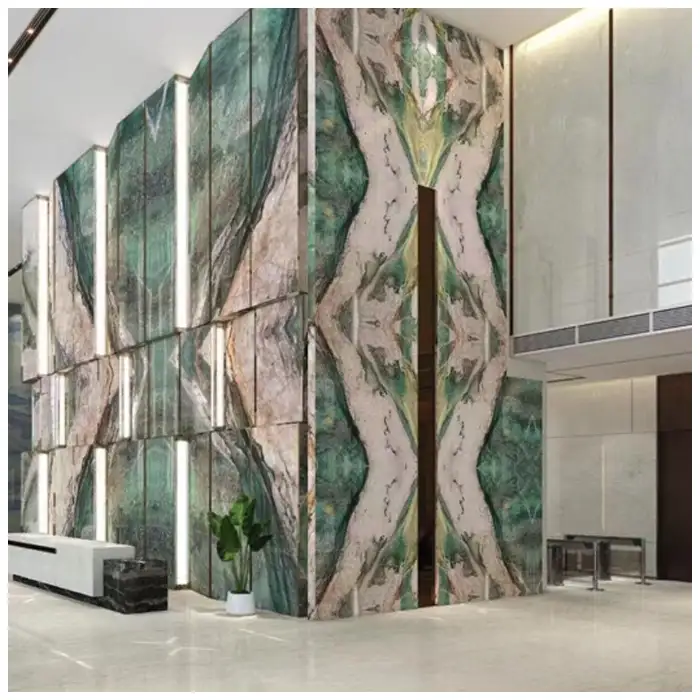
This is why natural quartzite and sintered stone should be compared with drawings in hand. A natural quartzite slab may be visually stronger, but the project might need more repeatability across several rooms. A sintered stone panel may be more predictable, but the edge and printed pattern direction may need careful detailing. Neither answer is automatically premium by itself.
MQ STONE’s material gallery is a practical starting point because it lets a project team compare natural stone, quartzite, marble, sintered stone, stone table tops, and wall cladding categories before asking for current slab photos and fabrication notes.
What natural quartzite does well
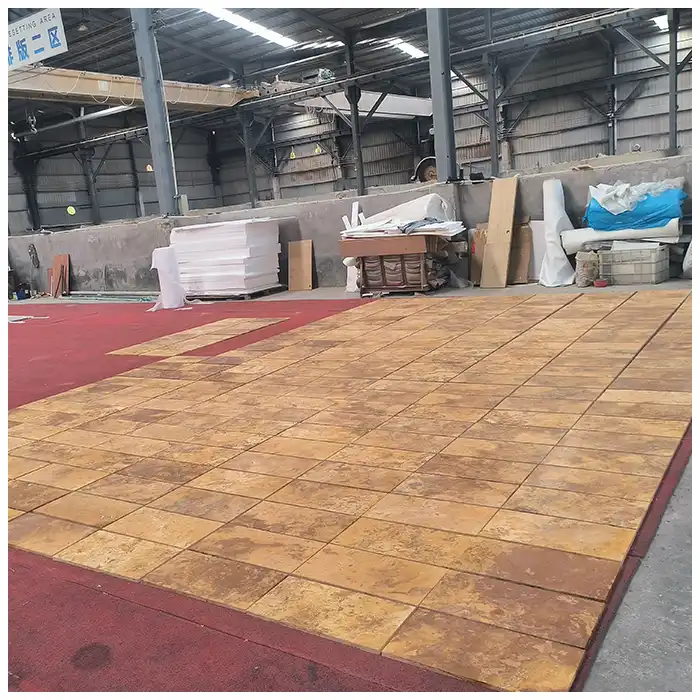
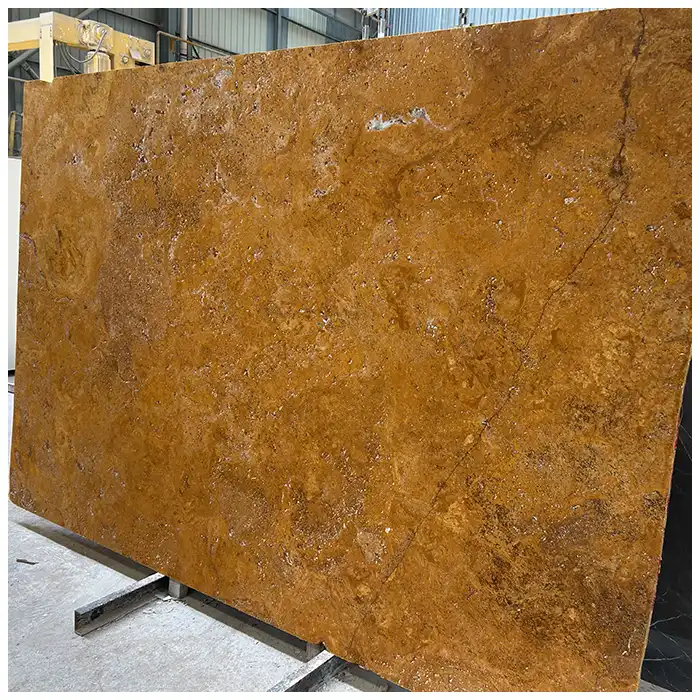
Natural quartzite is often chosen when the project wants genuine stone movement with more depth than a printed pattern can usually provide. Some quartzite slabs have soft veining. Others have dramatic diagonal movement, translucent areas, layered mineral color, or a marble-like look with stronger natural character. The result depends on the actual slab, not only the name.
For statement islands, quartzite can work well because the full slab becomes part of the furniture composition. The movement can continue across a waterfall edge, wrap around a counter, or sit as one large surface against quiet cabinets. For wall panels, quartzite can give a natural depth that changes with light. For stone tables, the slab can make the top feel individual rather than repeated.
Quartzite still needs careful review. Some stones sold under quartzite-related names can vary in density, porosity, fissures, resin, finish, and fabrication behavior. The project team should review the actual slab, not rely on a broad material category. ASTM C616 and ASTM C1528 are useful reference points because they keep the discussion tied to dimension stone terminology, selection, and intended use rather than marketing language.
When reviewing a кварцит option, ask for full-slab photos, close-ups, a moving video, available quantity, thickness, finish, and whether matching or sequential slabs are available. If the project needs bookmatch, vein match, or multiple surfaces, the layout should be checked before the slab is reserved.
What marble-look sintered stone does well
Marble-look sintered stone is often selected when the project wants a marble-style visual with more predictable pattern control than natural stone. It can be useful for large wall panels, furniture faces, counters, table tops, fireplace surrounds, and modern interiors where the designer wants a clean surface and fewer natural surprises.
Large formats are one of the main reasons to consider sintered stone. A wall may need broad panels with fewer joints. A cabinet or furniture face may need a thin surface. A repeated hotel room may need a more controlled look across several areas. In these cases, the ability to repeat or coordinate a pattern can matter more than natural uniqueness.
Sintered stone still has fabrication questions. Edge design is different from natural quartzite. A thin panel may need backing or a mitered edge to create the desired thickness. Cutouts, inside corners, transport, handling, and impact risk should be reviewed before cutting. If the pattern is directional, the layout should show how the printed movement will run across the surface.
For sintered stone, ask for panel size, thickness, available finishes, face pattern, edge solution, fabrication method, and whether the selected design has matching bookmatch or vein-continuation options. Do not assume that a marble-look surface will behave like marble at the edge or through the body.
Quartzite and sintered stone compared by project decision
| Decision point | Natural quartzite | Marble-look sintered stone |
|---|---|---|
| Visual character | Natural variation, mineral depth, and slab-specific movement. | Controlled marble-style pattern with more repeatable visual direction. |
| Large walls | Strong when the design wants natural depth, bookmatch, or one-of-one slabs. | Strong when the design wants large panels, cleaner repetition, and fewer natural changes. |
| Kitchen islands | Useful for statement islands where the slab movement becomes part of the room. | Useful for clean modern islands when the edge, cutouts, and panel thickness are detailed well. |
| Stone tables | Good for individual dining tables, coffee tables, and feature furniture tops. | Good for controlled furniture surfaces when weight, thickness, and repeated pattern matter. |
| Edge detail | Edges can show natural stone body and thickness, depending on slab and profile. | Edges need careful detailing because the face pattern and body may differ by product. |
| Repeat rooms | Requires careful lot control and acceptance of natural variation. | Often easier when the project needs a coordinated look across several rooms. |
How to choose for kitchen islands and counters
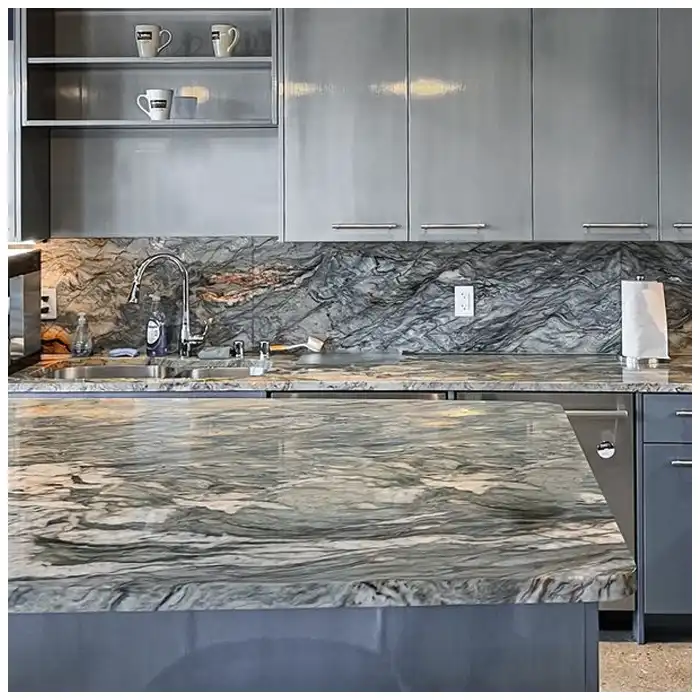
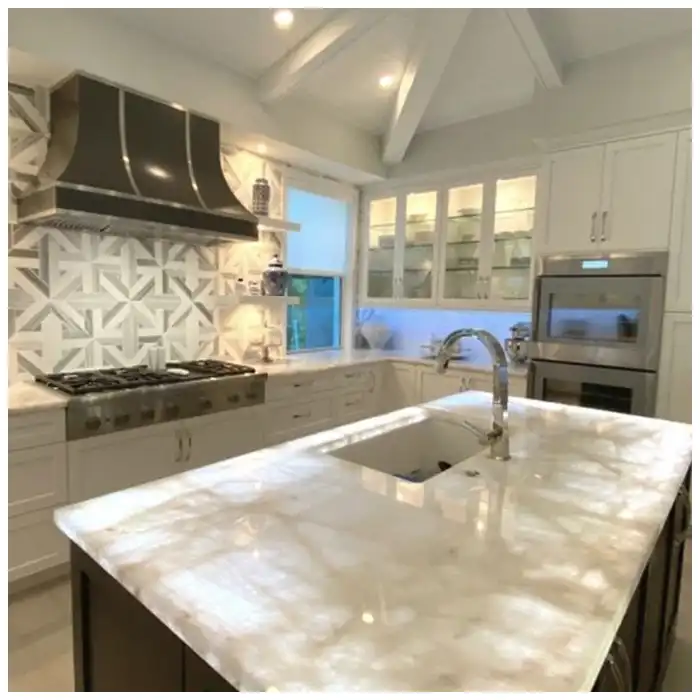
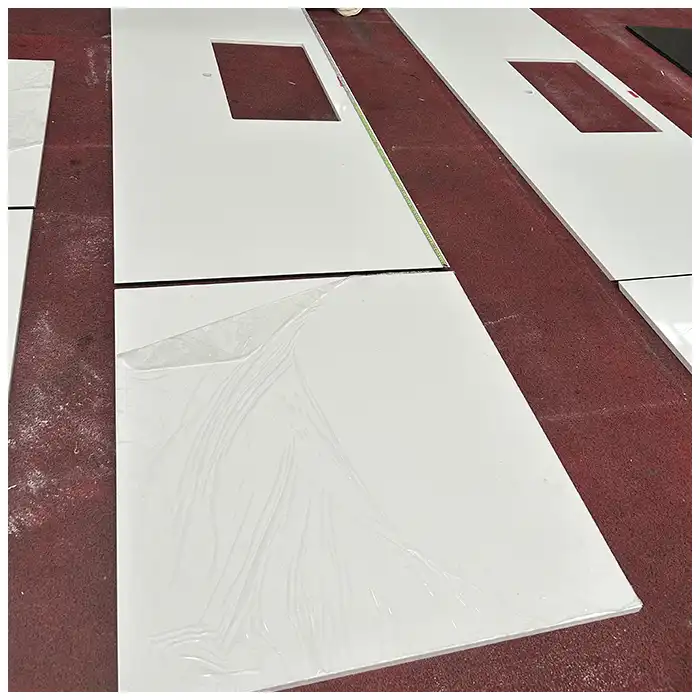
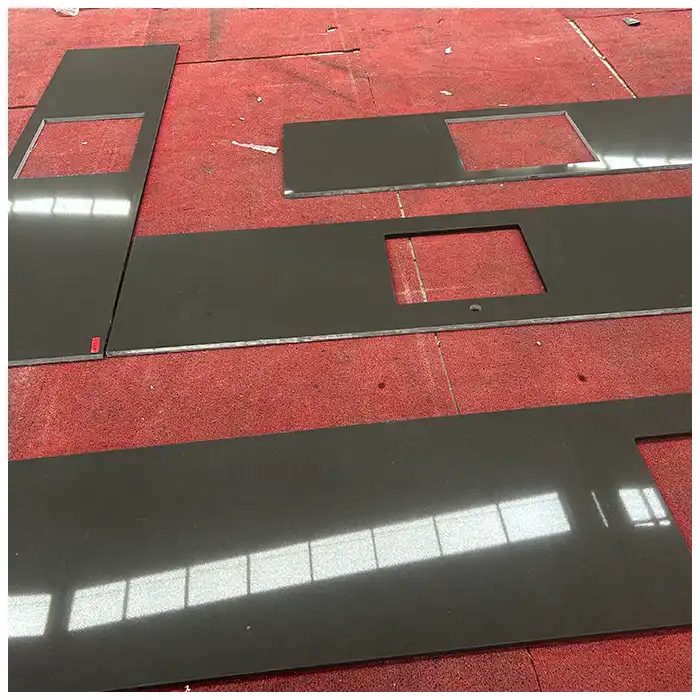
A premium kitchen island is both a work surface and a visual anchor. Natural quartzite can be a strong option when the project wants the island to feel like a real slab, with natural movement across the top and down the waterfall side. The layout should show where the main vein crosses the sink, seating edge, and end panels.
Marble-look sintered stone can be a strong option when the kitchen needs a clean marble-style surface, controlled pattern, or a thinner modern edge. It can also be useful when the same design should continue onto a backsplash, side panel, or furniture face. The fabrication team should confirm cutout rules, inside corner treatment, edge build-up, and support for overhangs.
Heat, impact, scratching, staining, and cleaning expectations should be discussed with the fabricator and supplier for the specific material being considered. Broad claims are not enough. The selected quartzite or sintered stone should be reviewed by product data, finish, use area, and fabrication method.
If the kitchen design includes strong cabinet color, dark wood, metallic details, or a large island, request a layout image. A good island layout should show slab direction, seam plan, waterfall position, edge thickness, cutouts, and how the counter relates to surrounding cabinets. For MQ STONE, kitchen countertop planning should connect the selected material to the actual cabinet and room drawing.
How to choose for feature walls and cladding
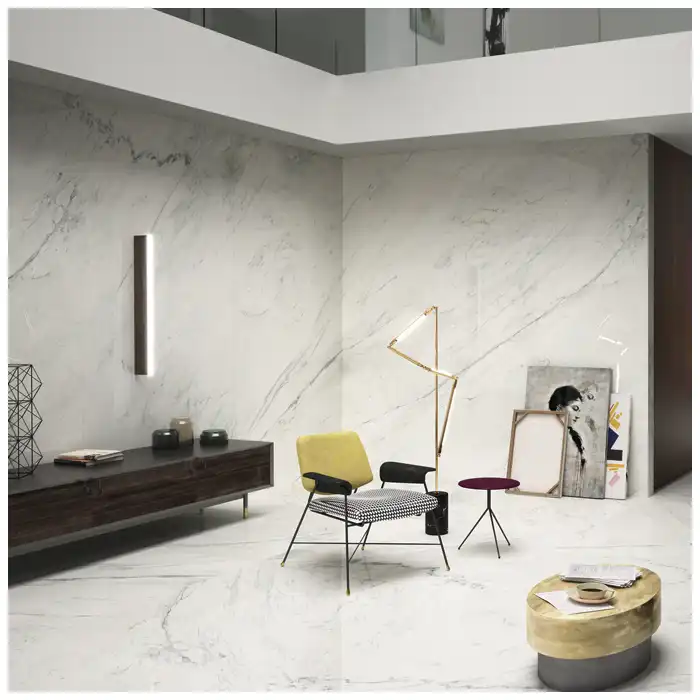
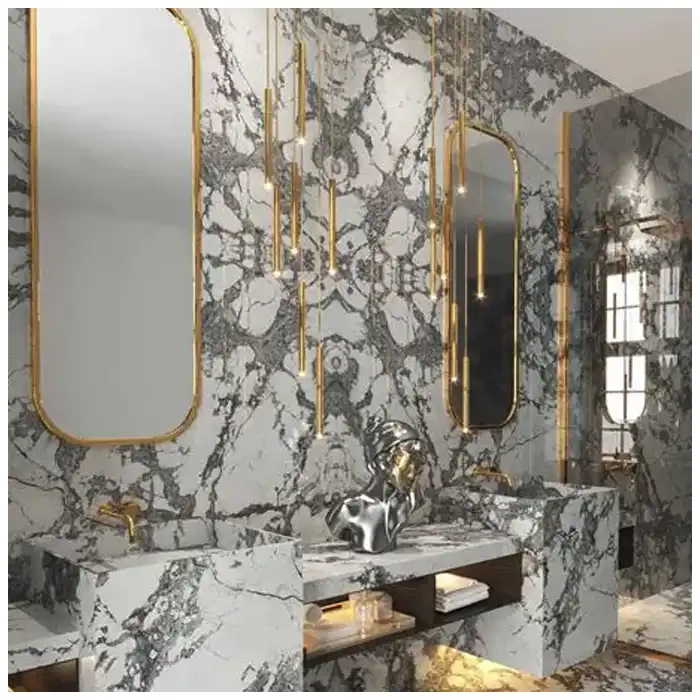
Walls make the difference between natural quartzite and sintered stone very clear. Quartzite can give a wall natural depth and a stronger sense of material. If the slab has dramatic movement, a bookmatched or vein-matched layout may become the main feature of a lobby, living room, bathroom, or fireplace wall.
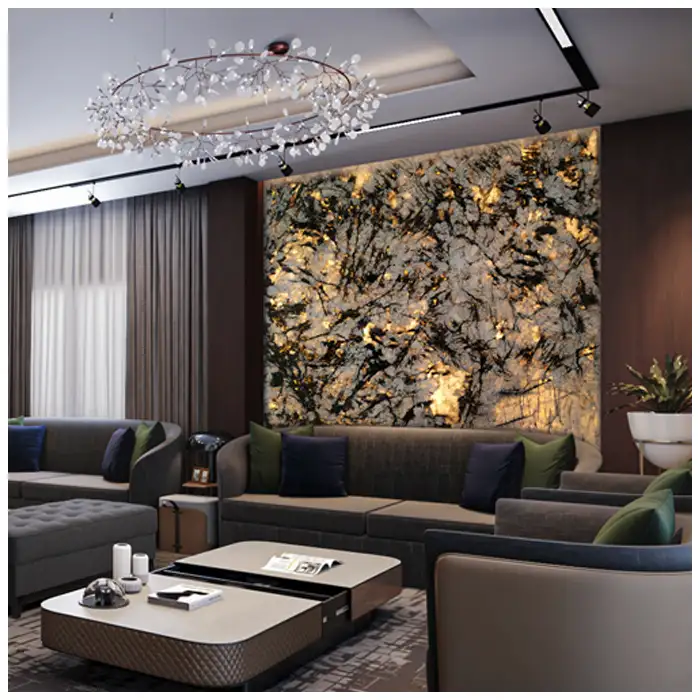
Sintered stone can be useful when the wall needs large-format panels, a lighter visual rhythm, or more controlled repetition. It may suit elevator lobbies, commercial interiors, furniture walls, fireplace faces, and modern bathrooms where the project needs a clean stone-like panel with fewer natural changes.
For both materials, the wall drawing comes first. Confirm the centerline, panel sizes, finished height, finished width, outlets, lighting, mirrors, shelves, signs, television brackets, doors, corners, and installation access. A wall panel decision made without these details can lead to awkward cuts and visible pattern breaks.
For stone cladding, also confirm the fixing or attachment method. Large natural stone panels may need different handling and support from thin sintered stone panels. Interior decorative walls, exterior cladding, and wet bathroom walls are not the same condition, so local requirements and installer guidance should be followed.
How to choose for stone tables and furniture
Stone tables put the material close to the hand and eye. People see the top from above, then notice the edge and base. Natural quartzite can be excellent for a dining table, coffee table, side table, or meeting table when the slab has a balanced composition and the base allows enough support.
Sintered stone can work well for furniture when a thinner look, lower visual variation, or repeated panels are needed. It may suit table tops, cabinet fronts, wall-mounted consoles, and display surfaces. The edge detail matters more than many people expect. A thin panel can look crisp, but a mitered edge or supported build-up may be needed when the design wants a thicker appearance.
For either material, confirm table shape before approving the slab or panel. A rectangular table can use directional movement. A round table often needs a centered or evenly distributed pattern. An oval table may suit softer movement along the long axis. A custom table needs a marked cut layout because the edge may remove a large part of the pattern.
MQ STONE’s stone table tops category is relevant when the project needs a finished furniture surface, not just a raw slab. Ask for thickness options, edge profiles, finish, underside support, packing, and whether the chosen material suits the planned base.
Do not ignore fabrication safety and dust control
Fabrication is part of material selection. Cutting, grinding, polishing, and finishing stone or engineered surfaces can create respirable crystalline silica exposure if the work is not controlled. Government and workplace safety sources such as OSHA and NIOSH continue to treat silica exposure as a serious occupational issue for countertop and surface fabrication.
This does not mean a project should avoid every hard surface. It means fabrication should be handled by qualified shops using appropriate wet methods, dust collection, respiratory protection, training, and local regulatory controls where required. The safest article language is also the most useful project language: choose the material, then confirm how it will be fabricated.
Natural quartzite and sintered stone may both require cutting and finishing. Their silica content, fabrication behavior, and control needs should be discussed with the fabricator and handled according to applicable workplace rules. If a project involves complex cutouts, mitered edges, large panels, or site modifications, those details should be reviewed before the material is approved.
For designers and project teams, the practical question is simple: does the supplier and fabricator have the right information before cutting begins? Drawings, slab or panel data, edge details, cutout dimensions, finish, packing method, and installation notes should be complete enough to avoid improvising on site.
Questions to ask before choosing either material
What surface is being made?
Confirm whether the material will be used for a kitchen island, countertop, wall panel, bathroom vanity, fireplace, table, cabinet face, or reception counter. The same material can be suitable for one surface and wrong for another.
How much visual variation is acceptable?
Natural quartzite brings slab variation. Sintered stone brings more controlled pattern. If the project wants a one-of-one visual feature, quartzite may be better. If the project wants repeated surfaces with similar appearance, sintered stone may be easier to manage.
What edge does the design need?
Quartzite and sintered stone do not create edges in the same way. Confirm thickness, profile, miter detail, visible body, underside support, and how the edge will look beside cabinets, furniture, or wall panels.
Will the material be used in one room or many rooms?
A single villa island or feature wall can use a more dramatic natural slab. Repeated hotel bathrooms, apartment counters, or commercial panels may need a more consistent material plan. The quantity and matching requirement should be confirmed before reserving material.
What evidence is needed before approval?
For quartzite, request full-slab photos, video, close-ups, finish notes, size, thickness, and layout options. For sintered stone, request panel size, thickness, finish, pattern direction, edge solution, fabrication requirements, and handling notes.
Final Conclusion
Natural quartzite is usually the better choice when a premium interior needs a real slab with natural depth, mineral movement, and a surface that feels individual. Marble-look sintered stone is usually the better choice when the project needs controlled pattern, large-format panels, thinner detailing, or repeated surfaces with a coordinated look.
The decision should be made from drawings, full-slab or panel photos, video, edge details, finish notes, and fabrication review. For MQ STONE projects, the next step is to send the intended surface size, application, finish preference, and room drawings so the material can be checked against the actual project rather than compared only by name.
ФАК
1. Is natural quartzite better than marble-look sintered stone?
Natural quartzite is better when a project needs real stone depth, individual slab movement, and a unique surface for an island, wall, table, or vanity. Marble-look sintered stone is better when the project needs controlled pattern, large panels, thinner detailing, or repeated surfaces with a more consistent appearance.
2. Can sintered stone replace quartzite for kitchen islands?
Sintered stone can replace quartzite for some kitchen islands, especially when the design needs a clean marble-look surface, large format, or controlled pattern. The edge detail, cutouts, overhang, support, and fabrication method must be reviewed carefully because sintered stone and quartzite do not behave the same during fabrication.
3. Which material is better for feature walls?
Quartzite is often better for feature walls when the design wants natural depth, dramatic movement, bookmatch potential, or one-of-one slab character. Sintered stone may be better when the wall needs large panels, fewer natural variations, a coordinated marble look, or repeated surfaces across several rooms.
4. What should I check before approving a quartzite slab?
Before approving quartzite, review full-slab photos, close-up images, video, size, thickness, finish, fissures, resin, color variation, and layout options. If the slab will be used for a wall, table, island, or counter, ask for a marked layout showing seams, cutouts, edge direction, and visible movement.
5. What should I check before choosing marble-look sintered stone?
Before choosing marble-look sintered stone, confirm panel size, thickness, finish, pattern direction, edge solution, cutout rules, backing or support needs, and handling requirements. The surface may look like marble from the front, but the edge, body, and fabrication details should be reviewed as a separate material system.
References
- Dimension Stone Design Manual 2024. Natural Stone Institute technical committee. Natural Stone Institute. Natural Stone Institute Resource Library.
- Standards and Specifications for Natural Stone Products. Natural Stone Institute. Natural Stone Institute. Natural Stone Institute technical resources.
- ASTM C616/C616M Standard Specification for Quartz-Based Dimension Stone. ASTM Committee C18 on Dimension Stone. ASTM International. ASTM Standards.
- ASTM C1528/C1528M Standard Guide for Selection of Dimension Stone. ASTM Committee C18 on Dimension Stone. ASTM International. ASTM Standards.
- ASTM C119 Standard Terminology Relating to Dimension Stone. ASTM Committee C18 on Dimension Stone. ASTM International. ASTM Standards.
- OSHA Respirable Crystalline Silica Standard for General Industry. Occupational Safety and Health Administration. United States Department of Labor. OSHA technical resources.
- Silica and Worker Health. National Institute for Occupational Safety and Health. Centers for Disease Control and Prevention. NIOSH workplace safety resources.
- NKBA / KBIS 2026 Kitchen Trends Report. National Kitchen and Bath Association research team. NKBA. NKBA Research.