
berita
Jacaranda Quartzite Honed Finish under Interior Light
Honing changes how Jacaranda quartzite meets a room. Reflections recede, pale mineral fields become quieter, and darker movement feels closer to the stone rather than floating on its surface. Alex Zheng examines that change through actual slabs, finish samples, raking and diffuse light, repair visibility, thickness, edges, table and wall placement, maintenance, and full-scale mock-ups. The decision is not whether matte is fashionable; it is whether the finish lets this particular slab keep its depth.

berita
Pink Patagonia Quartzite Selection before Backlighting and Cutting
Pink Patagonia quartzite can move from rose and cream mineral fields into crystalline windows that transmit light unevenly. Alex Zheng explains how to read the front and back of each slab, test real lighting geometry, separate beauty from structural condition, place panel joints and supports, reserve solid zones for fixing, and preserve the approved illuminated composition through cutting and dry assembly.
berita
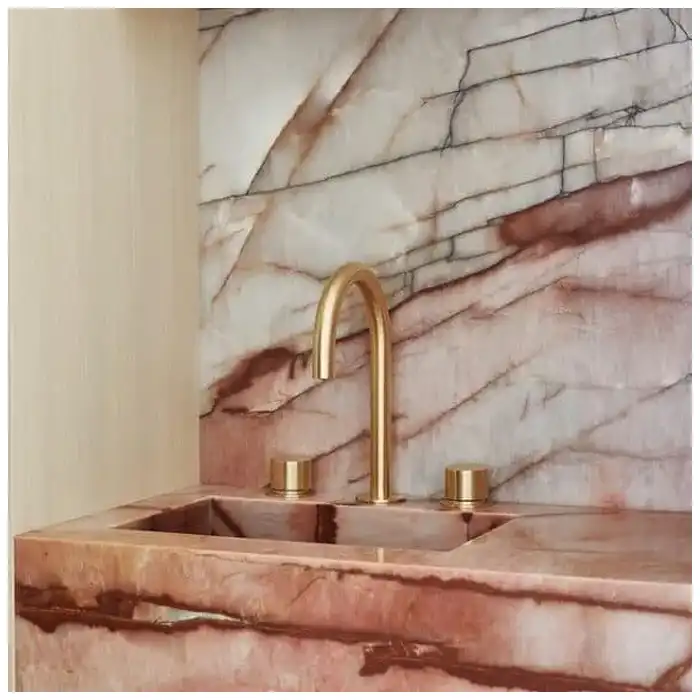
Cosmopolitan Quartzite Slab Layout for Islands, Walls, and Stone Furniture
Cosmopolitan quartzite can carry rose, cream, graphite, and crystalline passages that change character across one full slab. Alex Zheng explains why an island, feature wall, and furniture top must not be nested by yield alone. The layout method connects mineral structure, viewing distance, bookmatch or flow match, translucency, openings, edge build-ups, supports, control samples, and final piece maps before the saw divides a rare face.
berita
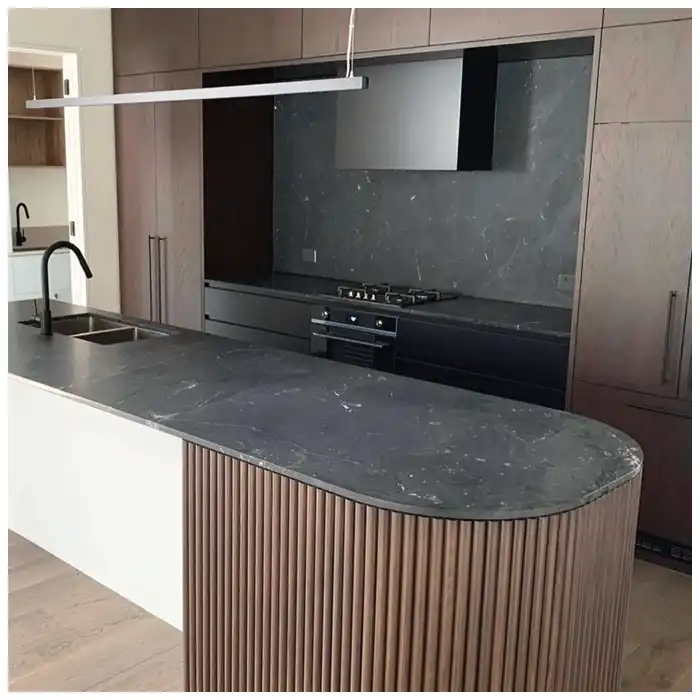
Negresco Quartzite Finish Selection for Tables and Feature Walls
Negresco quartzite carries charcoal, silver, and pale mineral movement that responds sharply to polish, honing, and leathering. Alex Zheng compares the finishes as a material specialist rather than treating texture as a style label. He explains what each surface reveals, how edges and repairs change, why tables and feature walls need different viewing tests, and how a full-size control piece preserves the chosen character through fabrication.
berita
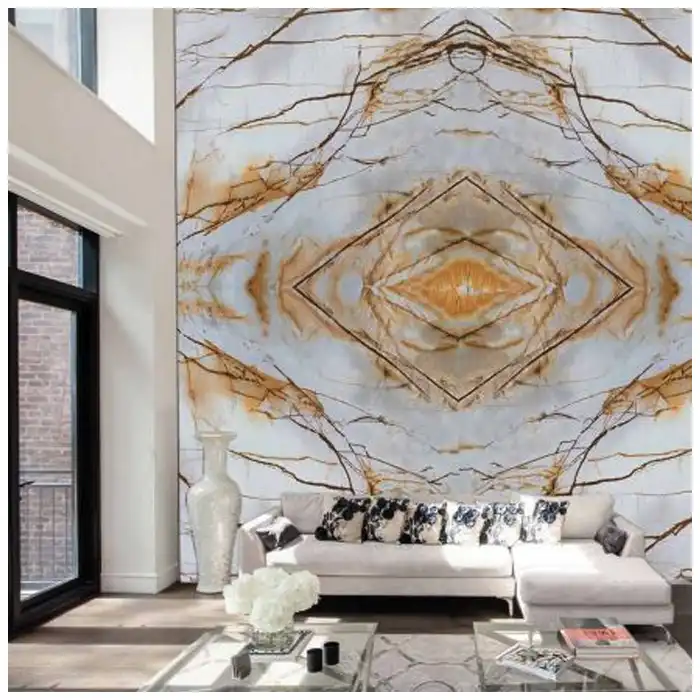
Exotic Quartzite Repair Acceptance before Fabrication and Installation
Resin can stabilize or clarify a natural feature, but it can also change color, gloss, translucency, and edge behavior once an exotic quartzite slab is cut. Alex Zheng separates geological fissures, handling cracks, factory repairs, backing, and surface finishing without pretending that every line has the same meaning. The article gives design and fabrication teams a practical way to map repairs, test them under several light directions, place cutouts and edges, define acceptance records, and decide when a slab can proceed or needs another layout.
berita
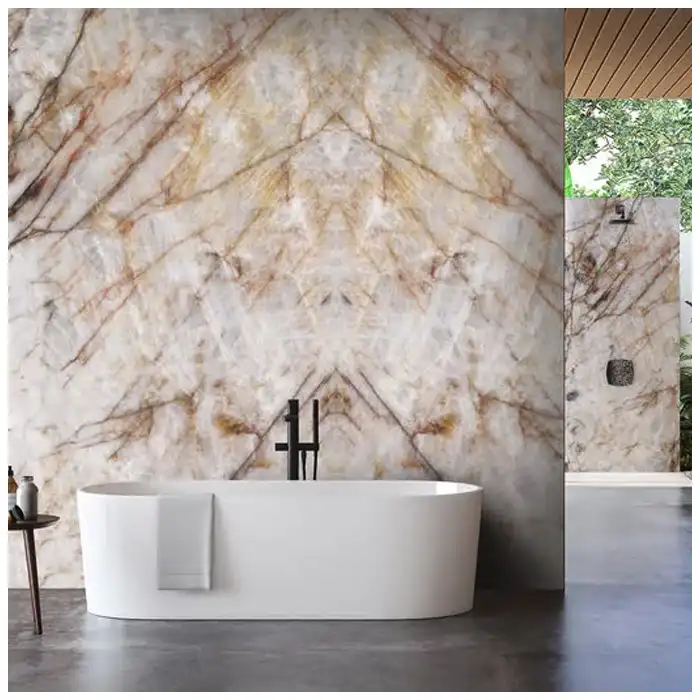
Exotic Quartzite Slab Thickness for Walls, Islands, and Stone Furniture
A thick edge can make quartzite look monolithic, yet the visible edge does not reveal the actual slab section or the support beneath it. This MQ STONE study separates nominal slab thickness from calibrated thickness, built-up edges, backing, spans, openings, and base geometry. It gives designers and fabricators a disciplined way to choose and record the section for walls, islands, and furniture without turning one familiar dimension into a rule for every stone.
berita
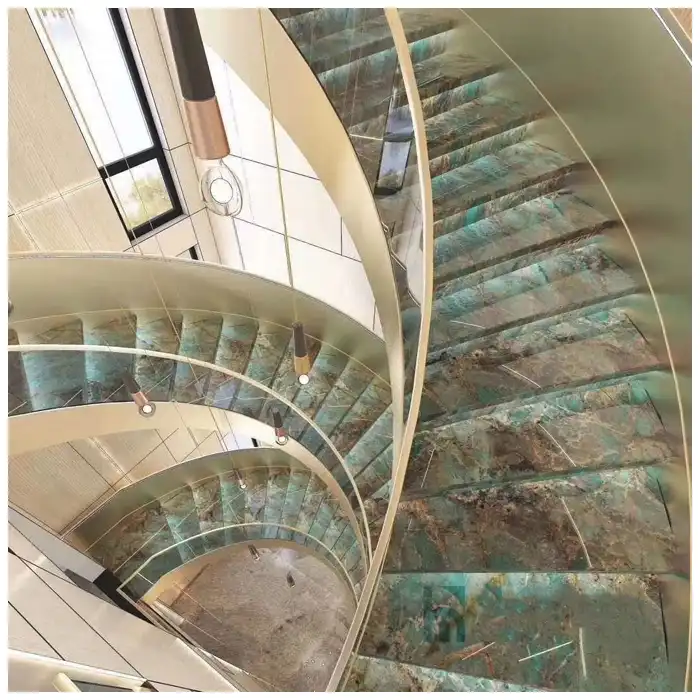
Mapping Translucent Zones in Exotic Quartzite before Backlighting
A quartzite slab can appear opaque under warehouse light and reveal pale crystalline windows when light reaches it from behind. That response is rarely uniform. Alex Zheng maps transmitted light, darker mineral structures, resin, mesh, repairs, thickness changes, panel boundaries, and support shadows before the cut drawing is released. The method helps designers and fabricators decide which areas deserve backlighting and which should remain naturally lit.
berita
Bookmatch or Flow-Match for Exotic Quartzite Feature Walls
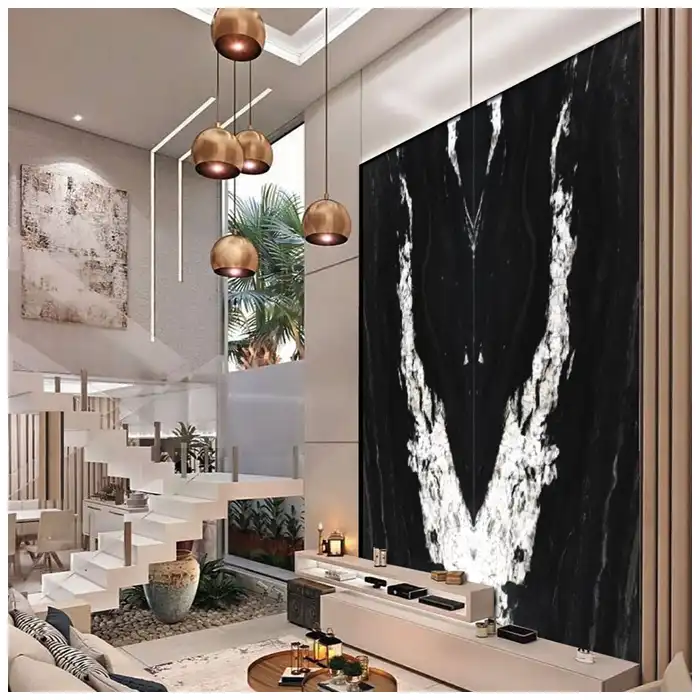
Opening two consecutive quartzite slabs can create a mirrored composition; keeping them in sequence can carry mineral movement across a wall without artificial symmetry. Alex Zheng compares those options through slab anatomy, room proportion, centerlines, openings, joints, finish, panel support, and installation sequence. The right layout comes from what the actual stone can sustain after cuts and seams, not from a bookmatch effect imposed on every unusual slab.